Leprosy: The Return

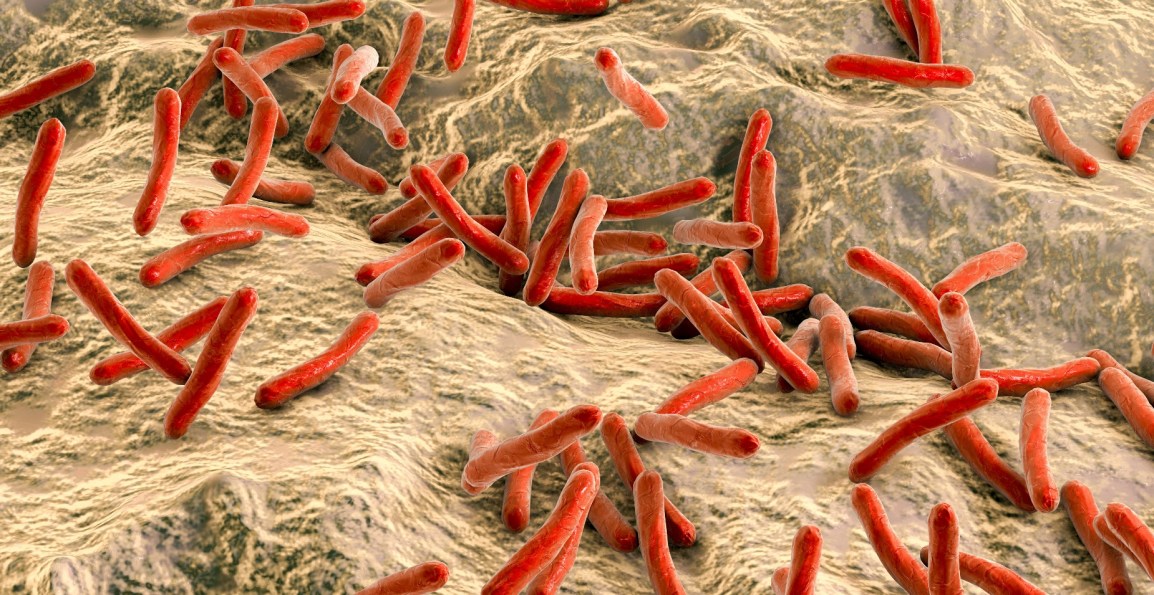
When you mention the medical condition Leprosy your mind will naturally think back in time to a period in history when living conditions were poor and life expectancy was limited. Leprosy is a bacterial infection than damages nerves, lungs, skin and eyes, and is well known by the dramatic loss of fingers, arms or legs through uncontrolled infection and wounds. Leprosy still occurs globally, with India accounting for more than half of the diagnosed cases. In some areas of India, China, Thailand, and parts of Africa, Leper colonies are still used to restrict movement and contain Leprosy. Fortunately most people are cured of Leprosy today through drug therapy, and interestingly there are also groups of people who are genetically less likely to contract the infection even if exposed to it.

The social spread and mortality was greatest during the Middle Ages, resulting in segregation and leper asylums. Even as recent as 1983 the Indian government introduced the National Leprosy Elimination Programme to tackle the problem. Until 2019, an Indian could even petition for divorce based on a spouse’s diagnosis.

The last place you might expect to hear of Leprosy cases surging is in Florida. Leprosy has now been classed as Endemic in the state, meaning it’s consistently present but limited to that specific area, just like Malaria is. Florida now accounts for 81% of all Leprosy cases in the US.

“Several cases in central Florida demonstrate no clear evidence of zoonotic exposure or traditionally known risk factors,” the Centers for Disease Control and Prevention (CDC) wrote in their report, adding that data suggests that “leprosy has become an endemic disease process in Florida.”

The south east region of America has seen the number of cases double over the last decade, and according to the CDC it appears that people are not catching the bacterial infection through the normal routes of exposure to disease carrying animals or travelers. Conclusions from the CDC seem to suggest that the cases they’ve looked into tend to be occurring in patients who are spending long periods of time outdoors and think there may be a link to “environmental reservoirs” as a potential source of the bacteria, which can be found in soil, water and vegetation.

But why now? Could the increasing global temperatures or the reintroduction of bacteria once frozen in the thawing Siberian permafrost, be contributing factors?

Shrinking Populations

With the world’s population hitting the 8 billion point recently, it’s easy to think that the human race is continuing to grow and expand at an uncontrolled rate, absorbing land, exploiting the Earth’s resources, polluting the sea and air, and taking us to an inevitable point of mutual destruction. But, that’s not necessarily true – at least not for every part of the planet.

Surprisingly Japan’s population has been dropping year on year, and it’s getting so bad it’s created an internal crisis that could have devastating effects on the country. During 2022, the total number of Japanese residents fell by more than 800,000 in just one year. This follows thirteen years of continual population contraction. Other figures released by the Ministry of Internal Affairs also highlighted the increasing death rate of over 1.56 million on top of only 771,000 births – the lowest since records began.

Life expectancy is high in Japan, but coupled with low fertility rates, which is also seen in many other east Asian countries too, Japan is seeing a rapidly aging population. In order to balance a stable population Japan needs approximately two births per woman, but the fertility rate is currently only 1.3 births.

As the population gets older, so does the workforce, which also slowly starts to decline, resulting in disastrous implications for almost all areas of the economy. Prime Minister Fumio Kishida has even been stated saying that “Japan is standing on the verge of whether it can continue to function as a society.” The number of schools closing in rural areas has increased rapidly while the number of small businesses are stuck with aged owners and no one to take them over.

There are ways to counter a declining population. The simplest is to relax immigration rules, allowing workers from other countries to settle and work, which Japan has done, however that has still not had the desired effect. The number of foreign residents hit a record high recently, but that was still not sufficient to balance the declining population.

Japan is not the only country in the world where the decrease in population is becoming significant. The number of people living in Europe has been declining since 2020 for much the same reason – longer life expectancy and decreasing birth rates. This immediate decline could also be as a result of the COVID pandemic disproportionately increasing the number deaths. China’s population also fell for the first time in 2022 since the 1960’s.

Scientists and researchers now believe that instead of persistent exponential global population growth, the numbers might stabilize around 2100 before consistently falling. That could be a good thing, but could also create one of the biggest social problems for humanity.