With the urgent need to find a cleaner replacement to fossil fuels as a source of energy – solar, wind and tidal energy sound like they are the best alternative. And the planet certainly needs one. Global temperatures are climbing, as evident from the wildfires that swept across the globe during 2023, sea levels are rising, ice caps are melting, and some naturalists believe we have already entered the next mass extinction event. But with governments and big businesses being slow in their attempts to hit targets for reducing emissions it’s easy to think that time is rapidly running out.

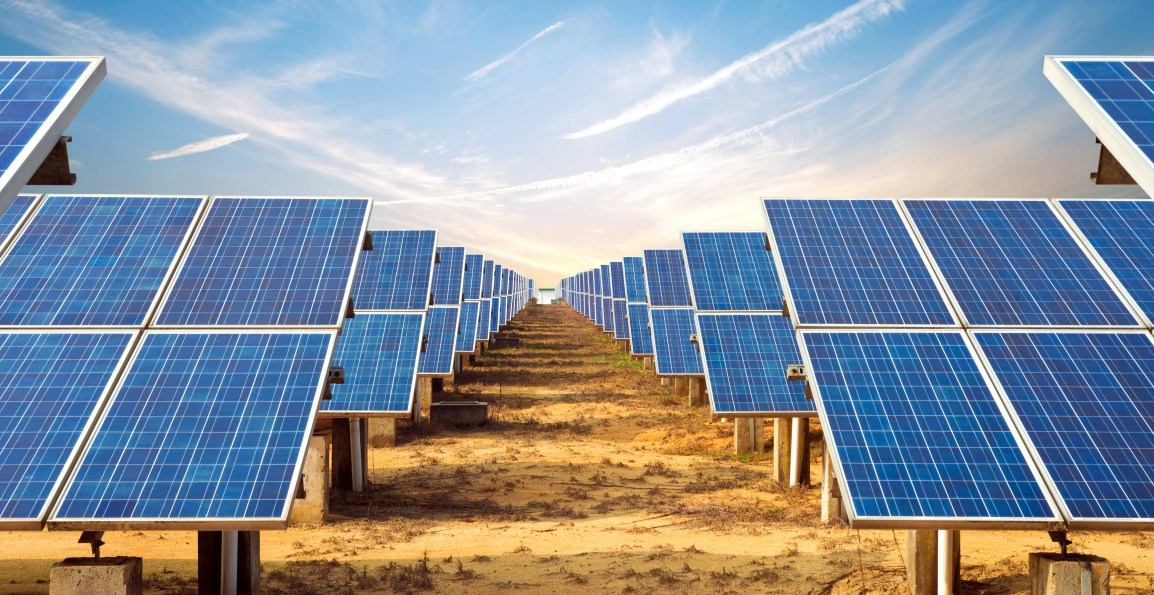
But, all might not be lost. At the current rate of growth, it appears that solar power could potentially be on track to become the dominant power source by 2050. Decreasing costs in solar panel construction are partly to thank for this potentially good news. Researchers in the UK used simulated scenarios that looked at 22 different types of energy, including nuclear, and found that solar was most likely to generate 50% of all energy in 72% of the scenarios they generated.
“We currently have a fossil fuel-dominated system and without additional policies, we arrive at a state that’s dominated mostly by solar,” explained University of Exeter lecturer and study lead author Femke Nijsse.
Sadly, it’s not as simple and straight-forward as you might expect. There are factors and uncertainties which could still create hurdles for solar power adoption. The most obvious is the instability of energy production and how that might affect the power grid. The level of sunlight varies every day, fluctuating the level of power. To overcome this better infrastructure of power grids would need to be implemented together with more efficient batteries to store excess power on good days.
While the adoption of solar power in wealthy countries is easier to integrate, developing countries and those with political instability may find financing change a lot more difficult, especially if there are job losses associated from the fossil fuel industry such as a decrease in demand for raw materials and the supply chain that surrounds it. This could be offset by the creation of new jobs for mining the different metals needed to create a solar panel.
The prospect of solar becoming a dominant source of power in the future faces various challenges, but at least it is more environmentally friendly than burning fossil fuels. However, there are a growing number of voices suggesting that nuclear might be the way forward. Long branded dangerous and not environmentally friendly by groups such as Greenpeace, despite a third of the clean energy in EU coming from nuclear power.

“Greenpeace is stuck in the past fighting clean, carbon-free nuclear energy while the world is literally burning,” complained 18 year old climate activist Ia Anstoot. “We need to be using all the tools available to address climate change and nuclear is one of them.”
Additionally Greta Thunberg has also changed her stance on nuclear power, admitting that nuclear plants in Germany should be kept running – at least in place of coal.
As the climate situation becomes more urgent every year, could a nuclear/solar power combination be the answer? Whichever direction the planet decides to go, all agree that burning fossil fuels must be drastically reduced.

 R. E. KEARNEY
Published by