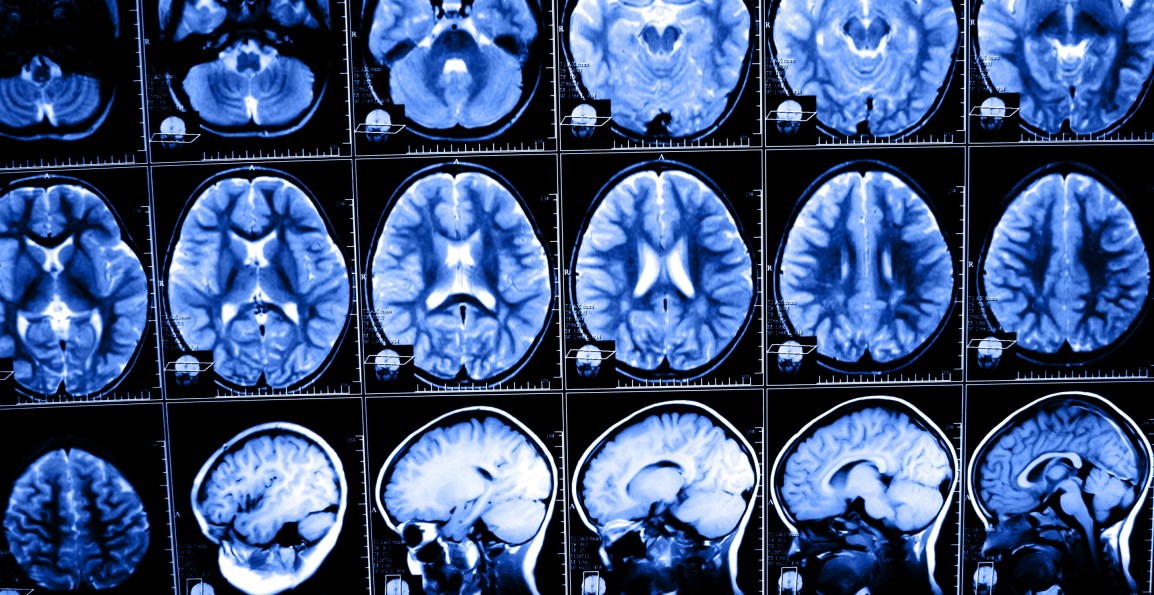
A new study by scientists in Australia has once again confirmed the link between living with cats and developing mental illness, including Schizophrenia, due to a parasite found in cat feces called Toxoplasma gondii.
Cats are the only animals where the parasite can sexually reproduce and produce eggs called oocysts. The oocysts are shed in the cat’s feces and can contaminate the soil, water, or food and effect any warm-blooded animal, including humans, particularly when handling cat litter.

Most people who get infected with Toxoplasma gondii do not have any symptoms and are not aware of their infection. However, some people may experience flu-like symptoms such as fever, headache, sore throat, muscle pain, swollen glands, and fatigue. In some cases, toxoplasmosis can cause serious problems, causing damage to the brain, eyes, heart, lungs, or other organs. This can lead to symptoms such as confusion, seizures, blurred vision, difficulty breathing, chest pain, or coma.
Incredibly, Toxoplasma gondii is not only a parasite, but also a manipulator. It has the ability to alter the behavior of its hosts in ways that increase its chances of completing its life cycle. For example, it can make rodents lose their fear of cats and even become attracted to their smell. This makes them more likely to be eaten by cats, which allows the parasite to return to its definitive host and reproduce. This phenomenon is called fatal attraction, and it is thought to be caused by the parasite’s influence on the brain chemistry of the rodents, especially the regions that control fear, anxiety, and reward.

But what about humans? Can Toxoplasma gondii manipulate our behavior and personality too? Some studies have suggested that people who are infected with Toxoplasma gondii may have subtle changes in their mental health, cognition, and personality. For instance, some studies have found associations between Toxoplasma gondii infection and increased risk of schizophrenia, bipolar disorder, suicide, aggression, impulsivity, and neuroticism. Other studies have found correlations between Toxoplasma gondii infection and decreased reaction time, memory, attention, and intelligence. Some studies have even reported gender-specific effects, such as increased masculinity in men and increased femininity in women.
More research is needed to determine the exact mechanisms and effects of Toxoplasma gondii infection on human behavior and personality. It is also important to remember that Toxoplasma gondii infection does not necessarily mean that one will develop any symptoms or problems, and that most people who are infected are healthy and normal. However, it is still advisable to take precautions to prevent or treat toxoplasmosis, especially for people who are at high risk of complications.

 R. E. KEARNEY
Published by