
In the quest to combat infectious diseases, scientists have been exploring innovative approaches to vaccine development. One promising avenue is the concept of universal vaccines, which aim to provide broad protection against various strains of pathogens, including those that may emerge in the future.
What Are Universal Vaccines?
Unlike traditional vaccines, which target specific strains of a pathogen, universal vaccines are designed to teach the immune system to defend against all versions of that pathogen—even those that haven’t yet appeared. These vaccines focus on a fundamental element shared by different strains, allowing them to provide broader and longer-lasting immunity.
The Role of mRNA Vaccines
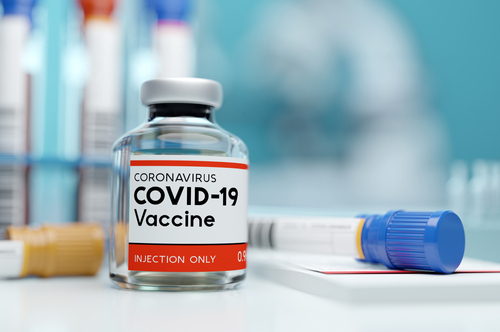
One groundbreaking technology that has gained prominence during the COVID-19 pandemic is mRNA (messenger ribonucleic acid) vaccines. Both the Pfizer/BioNTech and Moderna COVID-19 vaccines utilize this approach. But what exactly are mRNA vaccines, and how do they work?
- mRNA is a component found in all living organisms. Its primary role is to carry instructions from our genes (encoded in DNA) to the protein-making machinery within our cells.
- In the context of vaccines, synthetic mRNA is used to deliver instructions for creating a harmless piece of protein identical to one found in a specific virus or bacterium.
- Our cells then produce this protein, triggering an immune response.
- Once the protein is assembled, our immune system recognizes it as foreign.
- Antibodies are produced to attack the protein, preparing our immune defenses.
- If we encounter the actual virus later, our immune system is primed to respond effectively.
- After the immune response, the mRNA instructions from the vaccine break down naturally.
- Our immune system retains memory for producing antibodies, but booster shots may be necessary over time.

Advantages of mRNA Vaccines
mRNA vaccines can be swiftly tailored to different diseases or variants by modifying the mRNA sequence. This adaptability is crucial for responding to emerging pathogens.
Researchers can personalize mRNA vaccines to target specific antigens which enhances their effectiveness.
Potential for Universal Vaccines:
While current mRNA vaccines are pathogen-specific, the technology holds promise for universal vaccines. By targeting conserved elements shared across strains, mRNA vaccines could provide broader protection.
The Road Ahead
Scientists continue to explore novel targets for universal vaccines. For instance, researchers have identified the N (nucleocapsid) protein of SARS-CoV-2 (the COVID-19 coronavirus) as a potential universal vaccine candidate due to its low mutation rate. As we invest in mRNA research and development, we move closer to a future where universal vaccines play a pivotal role in safeguarding global health.
In summary, universal vaccines represent a paradigm shift—a departure from strain-specific immunity toward broader protection. As we learn more about these groundbreaking approaches, we inch closer to a world where infectious diseases are met with powerful and adaptable defenses.

 R. E. KEARNEY
Published by