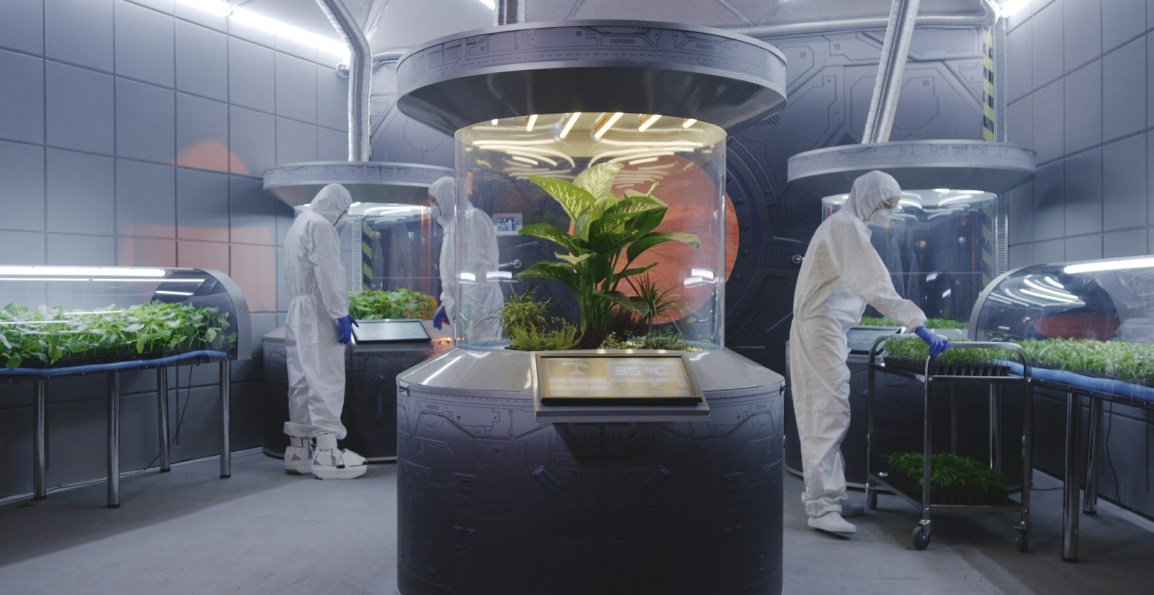
As humans venture into space, the need to sustain life becomes paramount. Fresh produce is essential for astronauts’ health during long-duration missions, but resupply shipments won’t suffice for deep space exploration. Enter astrobotany—the study of plant growth in space environments. Here’s what we’ve learned so far:
In space, plants face unique stressors like microgravity, ionizing radiation, and oxidative stress. These stressors can cause genetic alterations in plant metabolism pathways. Researchers aim to understand how plants adapt and thrive under these conditions.
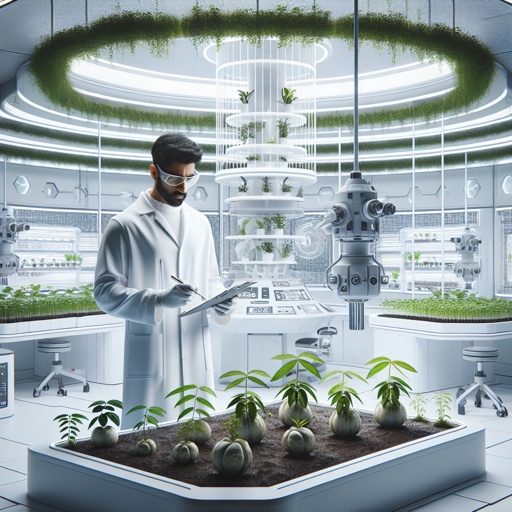
NASA’s Vegetable Production System (Veggie) is a space garden on the International Space Station (ISS). Veggie helps study plant growth in microgravity while providing fresh food for astronauts. Microgravity affects water distribution, root development, and nutrient uptake. The garden, about the size of carry-on luggage, typically holds six plants. Each plant grows in a “pillow” filled with clay-based growth media and fertilizer. LEDs above the plants emit a spectrum of light suited for growth, resulting in a magenta pink glow.
Astronauts have successfully grown lettuce, radishes, and tomatoes in Veggie. These crops provide essential nutrients and contribute to psychological well-being.
Veggie’s success encourages the development of more advanced space gardens. Self-sufficiency in food production will be crucial for long-duration missions. Future missions may involve more advanced space gardens, allowing self-sufficiency. The challenge remains: How do we cultivate fresh produce in a closed environment without sunlight or Earth’s gravity?
Plants on Mars: Challenges and Possibilities
In my book, Mars Madness, I introduced the idea of how fungi could be grown on Mars to support life. In reality, growing plants on Mars is a fascinating endeavor, but it comes with significant challenges:
Martian Soil: Martian soil contains essential plant nutrients, but their levels are too low for healthy growth. Fertilizers would be necessary to enhance soil conditions for plants.
Harsh Environment: Mars has thin air, extreme cold, and sterilizing radiation. A Martian greenhouse would shield plants from direct exposure. During the day, plants would face high solar ultraviolet radiation due to the lack of ozone in the Martian atmosphere. Nighttime temperatures drop well below freezing.
Designer Plants: Scientists are genetically modifying plants to withstand Martian conditions. They splice genes from extremophiles (microscopic organisms that thrive in harsh environments on Earth) into plants. These modified plants could provide oxygen, food, and medicine for astronauts while recycling waste.
Current research focuses on demonstrating feasibility and identifying technical challenges. Martian plants won’t be a reality for at least a decade or more.

 R. E. KEARNEY
Published by