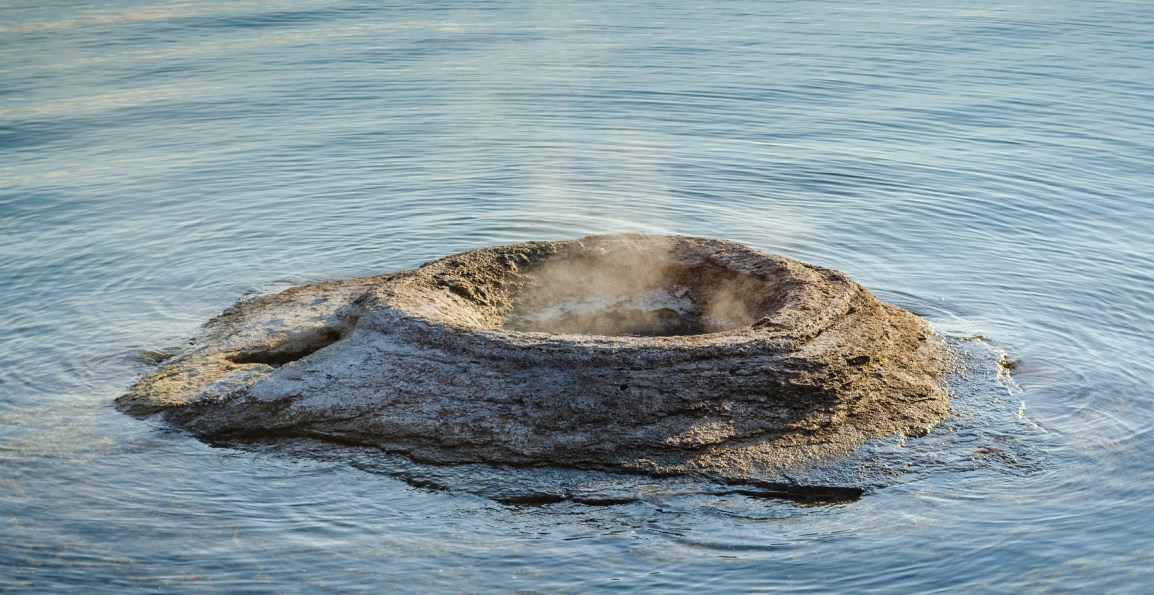
Deep beneath the ocean’s surface, where sunlight fails to penetrate and temperatures can reach extreme highs, underwater thermal vents create a unique and thriving ecosystem. These vents, also known as hydrothermal vents, are formed by tectonic activity that allows superheated water to escape from the Earth’s interior. While they may seem inhospitable at first glance, the life that exists around these vents is both diverse and fascinating, showcasing the resilience of life in extreme conditions.
The Environment of Hydrothermal Vents
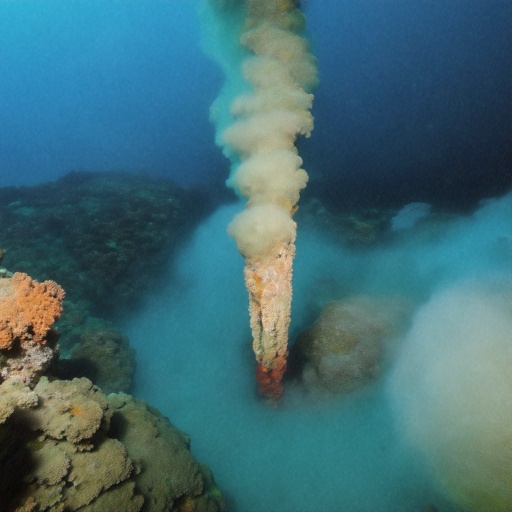
Hydrothermal vents are typically found along mid-ocean ridges, where tectonic plates diverge. As seawater seeps into the ocean floor, it is heated by underlying magma before rising back up through cracks in the Earth’s crust. This process not only releases nutrient-rich water but also minerals, such as sulfides and methane, which are essential for supporting life in this dark, high-pressure environment.
The temperatures around these vents can soar to 400°C (752°F), and the water can be highly acidic and rich in toxic chemicals. However, rather than deterring life, these conditions have led to the development of a unique ecosystem that relies on chemosynthesis instead of photosynthesis.
Chemosynthetic Life Forms
At the heart of this ecosystem are chemosynthetic bacteria, which utilize the chemicals released by the vents to produce energy. Unlike plants that convert sunlight into energy, these bacteria thrive in darkness, using hydrogen sulfide and other compounds as their energy source. They form the foundation of the food web around hydrothermal vents.
These bacteria are often found in large colonies, providing food for a variety of organisms. One of the most iconic vent-dwelling species is the giant tube worm (Riftia pachyptila), which can grow up to 3 meters (10 feet) long. These worms harbor symbiotic bacteria in their bodies, which convert the vent chemicals into organic matter, allowing the worms to thrive in an otherwise nutrient-poor environment.
Diverse Marine Life
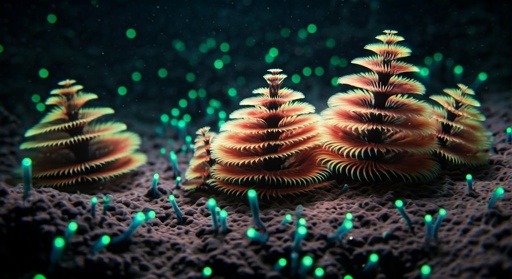
In addition to tube worms, hydrothermal vents host a rich diversity of life, including clams, mussels, and shrimp, many of which also rely on chemosynthetic bacteria for nourishment. For instance, species like the vent snail (Alviniconcha) have adapted to utilize the bacteria directly by forming symbiotic relationships. Crustaceans, such as the vent crab (Bythograea), are also commonly found, feeding on both the bacteria and other organisms.
Furthermore, vent ecosystems are often home to unique species that have evolved specific adaptations to their extreme environment. Some organisms possess specialized proteins that allow them to withstand high temperatures and pressure, while others have developed unique physical traits, such as thick shells or modified appendages for feeding.
The Importance of Hydrothermal Vents
Beyond their role as a fascinating biological hotspot, hydrothermal vents have significant implications for our understanding of life on Earth and potentially other planets. The extreme conditions in which these organisms thrive challenge traditional notions of where life can exist. Studying these ecosystems not only sheds light on evolutionary processes but also informs us about the potential for life in similar environments on celestial bodies like Europa or Enceladus, moons of Jupiter and Saturn, respectively.
In conclusion, underwater thermal vents are a testament to the adaptability and resilience of life. The intricate relationships formed between organisms in these extreme environments highlight the complexity of ecological systems and the importance of protecting these unique habitats from human activities, such as deep-sea mining and climate change. As scientists continue to explore these mysterious regions, they unlock more secrets about life’s potential and the Earth’s geological processes.

 R. E. KEARNEY
Published by