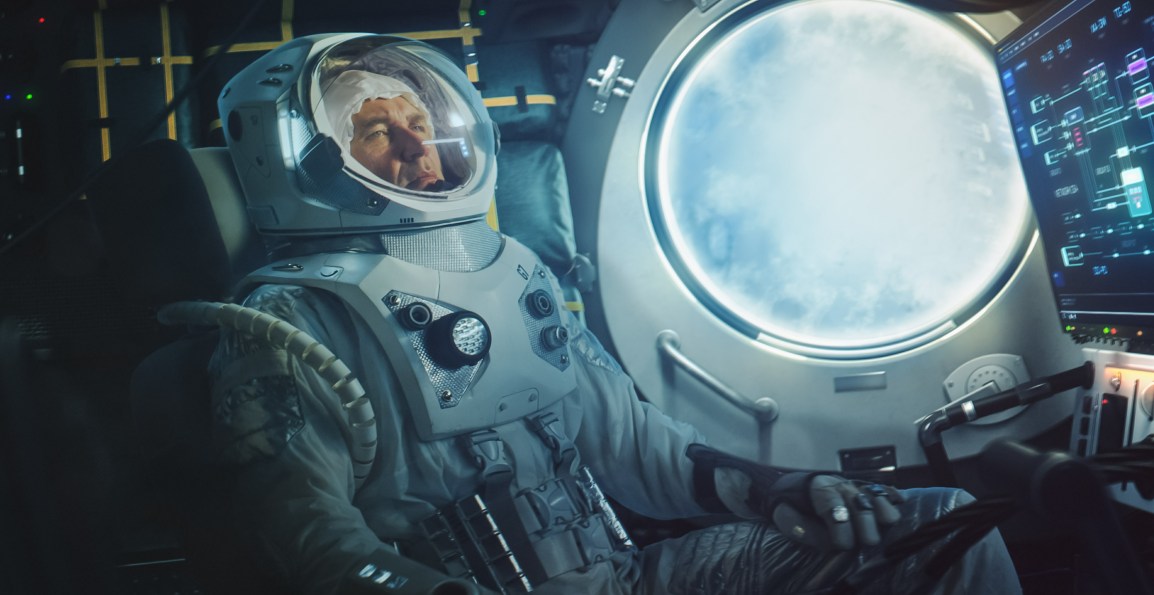
In my science-based fiction, Mars Madness, I described how living and working in space is a remarkable experience, but that it comes with unique challenges that affect an astronaut’s body in profound ways, particularly those who take part in long-duration space missions. Space is a harsh environment, and the absence of gravity, exposure to radiation, and isolation can lead to significant physiological and psychological changes.
Microgravity and Musculoskeletal Health
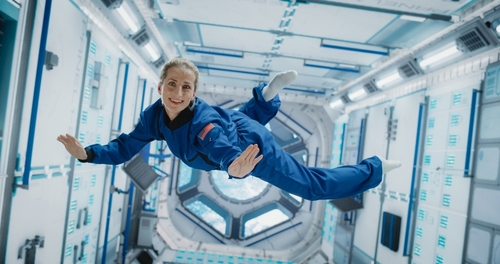
One of the most significant changes astronauts experience in space is microgravity. In the microgravity environment of space, the muscles and bones no longer need to support the body’s weight, leading to muscle atrophy and bone density loss. Studies show that astronauts can lose up to 20% of their muscle mass and 1-2% of their bone density per month.
To counteract these effects, astronauts follow rigorous exercise regimens while aboard the International Space Station (ISS). They use specially designed equipment, such as resistance machines and treadmills, to maintain muscle mass and bone density. Despite these measures, some degree of muscle and bone loss is inevitable, and recovery can take months after returning to Earth.
Cardiovascular Changes
In the absence of gravity, bodily fluids shift toward the upper body and head, causing a condition known as “fluid shift.” This shift can lead to facial puffiness and increased intracranial pressure. Additionally, the heart, which no longer has to work as hard to pump blood against gravity, can undergo changes in size and function.
Astronauts often experience orthostatic intolerance, a difficulty in standing upright without feeling faint, upon returning to Earth. This is due to the deconditioning of the cardiovascular system. Exercise and careful monitoring of fluid intake and blood pressure are essential to mitigate these effects.
Vision Impairment
A significant proportion of astronauts develop vision problems during long-duration missions, a condition known as Spaceflight-Associated Neuro-ocular Syndrome (SANS). Fluid shifts and increased intracranial pressure are thought to contribute to this syndrome, which can cause changes in the shape of the eyeball and optic nerve swelling. Researchers are actively investigating ways to prevent and treat these vision changes.
Radiation Exposure
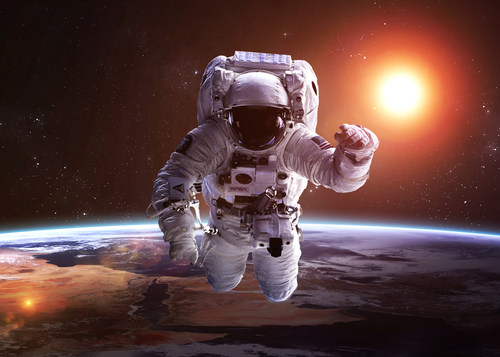
Outside the protective shield of Earth’s atmosphere, astronauts are exposed to higher levels of cosmic radiation. This radiation can damage cells and increase the risk of cancer and other diseases. Prolonged exposure to radiation in space is one of the major concerns for missions to Mars and beyond.
To limit radiation exposure, spacecraft and habitats are designed with shielding materials. Additionally, mission planners carefully monitor solar activity and adjust schedules to minimize exposure during periods of high radiation.
Psychological Effects
The psychological challenges of living in space include isolation, confinement, and the absence of familiar social support networks. Astronauts must adapt to living in a small, enclosed environment with limited privacy and direct contact with friends and family.
NASA and other space agencies provide astronauts with psychological support, including regular communication with loved ones, access to counseling services, and recreational activities. Team cohesion and mental health are critical for mission success, and astronauts undergo extensive training to prepare for these challenges.
The effects of space travel on the human body are profound and multifaceted. While microgravity, radiation, and isolation present significant challenges, ongoing research and technological advancements continue to improve our understanding and mitigation of these effects. As humanity pushes the boundaries of space exploration, the lessons learned from current missions will pave the way for future journeys to Mars and beyond. The resilience and adaptability of the human body, coupled with the ingenuity of science and technology, will enable us to thrive in the final frontier.

 R. E. KEARNEY
Published by