
Recent advancements in dental science have brought us closer to a future where losing a tooth might not mean a permanent gap in your smile. Scientists at Tufts University have successfully grown human-like replacement teeth in a laboratory setting and implanted them into the mouths of miniature pigs. This groundbreaking research could pave the way for bioengineered teeth that could one day replace lost or damaged teeth in humans.
The research team, led by Pamela Yelick, combined human and porcine tooth cells and grew them into tooth-like structures inside samples of pig teeth. This approach was chosen because pigs grow multiple sets of teeth throughout their lifetime, making them an ideal model for this type of research. Once the teeth were mostly grown, they were implanted into the jaws of pigs for two months before being removed for analysis.
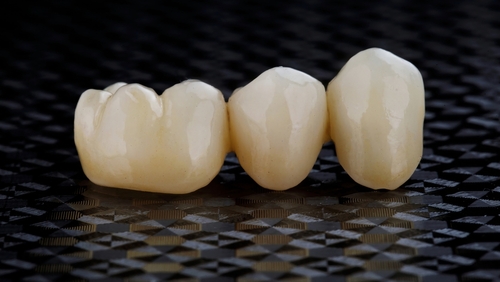
The results were promising: the lab-grown teeth developed hard layers of dentin and cementum, which are essential components of natural teeth. Although the teeth were not yet “beautifully formed,” the researchers are optimistic about the potential of this technology to create functional biological tooth substitutes.
One of the main advantages of bioengineered teeth over traditional dental implants is their ability to integrate with the jawbone more naturally. Dental implants, typically made of titanium, can sometimes lead to bone resorption over time and implant failure due to the direct transmission of chewing forces to the jawbone. In contrast, natural teeth are tethered to the jawbone via periodontal ligament tissues, which absorb and modulate these forces, promoting healthy bone maintenance.
The Tufts study also highlights the limitations of using human embryonic tissues for tooth regeneration, as they are difficult to obtain and not viable for regenerative medicine applications. Bioengineered tooth replacements grown in a lab offer a promising alternative.
While the research is still in its early stages, the potential benefits are significant. Bioengineered teeth could provide a more natural and long-lasting solution for tooth replacement, reducing the need for synthetic implants and the associated risks of infection and bone loss. The researchers hope that one day, this technology will be available to patients who need tooth replacement, offering a more effective and biologically compatible option.
As the field of dental science continues to evolve, the possibility of growing living teeth in the laboratory represents a significant step forward. With continued research and development, we may soon see a future where tooth loss is no longer a permanent problem, but a treatable condition with natural, bioengineered solutions.

 R. E. KEARNEY
Published by