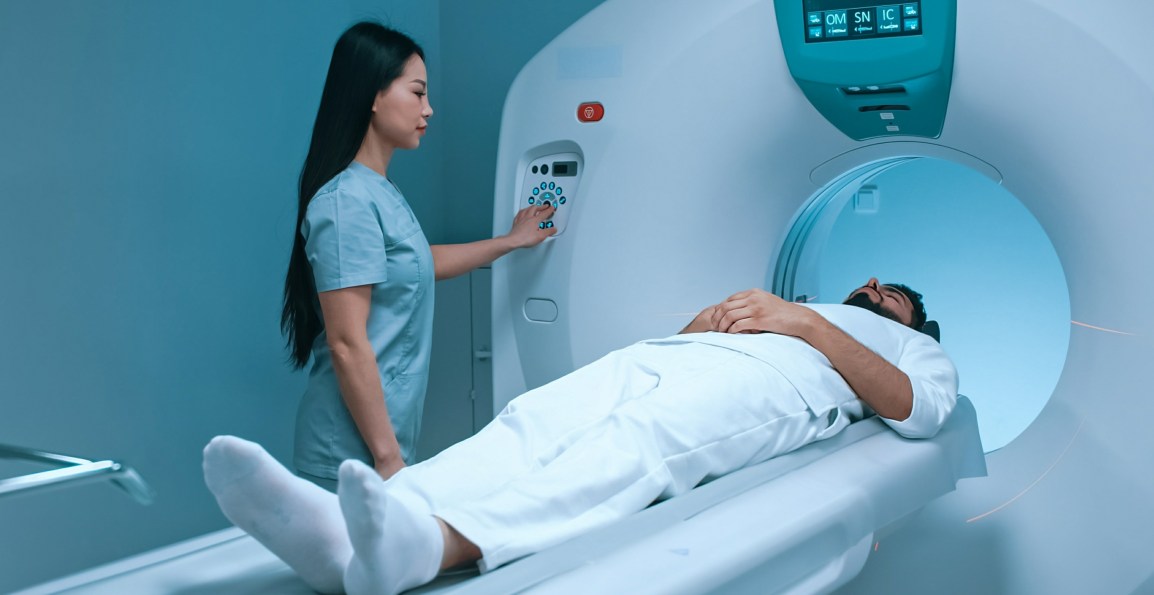
Magnetic Resonance Imaging (MRI) scans are invaluable tools in modern medicine, providing detailed images of the body’s interior to help diagnose a wide range of conditions. However, they are not without risks, particularly due to the use of contrast agents—commonly referred to as “dye”—and the potential impacts on patient health.
Contrast Agents: A Double-Edged Sword
To improve the clarity of MRI images, contrast agents like gadolinium-based compounds are often administered intravenously. While generally considered safe, gadolinium poses certain risks. For patients with impaired kidney function, gadolinium can lead to a rare but serious condition called nephrogenic systemic fibrosis (NSF). NSF causes thickening and hardening of the skin, as well as potential damage to internal organs, significantly impairing quality of life.
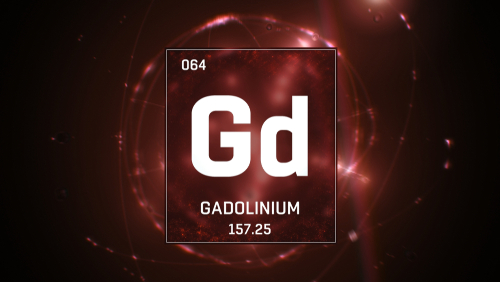
Moreover, recent studies have indicated that gadolinium may remain in the body long after the scan. Tiny deposits have been found in organs such as the brain, raising concerns about long-term effects. While the clinical implications of these deposits are not yet fully understood, researchers are investigating potential links to neurological symptoms, including headaches and cognitive changes.
Allergic Reactions and Toxicity
Contrast agents can also trigger allergic reactions in some patients, ranging from mild symptoms like rash and itching to severe cases involving difficulty breathing or anaphylaxis. Although these reactions are relatively rare, they represent a serious risk for individuals prone to allergies.
Additionally, gadolinium is toxic in its natural state and is only safe for medical use when bound to specific molecules. In certain cases, this bond can break down, especially in patients with compromised renal function, exposing them to toxic forms of gadolinium.

Physical Risks During the MRI Procedure
Beyond the contrast agent, the MRI procedure itself is not entirely without hazards. The powerful magnetic fields used in MRI can interact with metallic implants or devices inside the body, such as pacemakers or artificial joints. If precautions are not properly taken, this interaction can lead to malfunctioning of the devices or even physical harm.
Patients with claustrophobia may find the enclosed space of the MRI machine extremely distressing, potentially causing significant psychological discomfort. Sedatives are often required in such cases, introducing additional risks associated with medication.
Impact on Vulnerable Groups
Vulnerable groups, such as pregnant individuals, also face unique challenges. While MRI scans are generally considered safe during pregnancy, there is limited data on the effects of gadolinium exposure on the developing fetus. As a precaution, contrast-enhanced MRI is typically avoided during pregnancy unless absolutely necessary.
Balancing Benefits and Risks
Despite the potential risks associated with MRI scans, they remain a critical diagnostic tool that has revolutionized medicine. It is essential for healthcare providers to carefully assess the necessity of MRI scans and contrast agents, particularly for high-risk patients. By weighing the benefits against the risks and exploring safer alternatives, the medical community can ensure that these powerful tools continue to save lives without compromising patient safety.

 R. E. KEARNEY
Published by