Recent studies have revealed a surprising trend: human brains are getting bigger. This discovery challenges long-held assumptions about brain evolution and opens new avenues for understanding cognitive development and neurological health.
The Evidence Behind Brain Growth
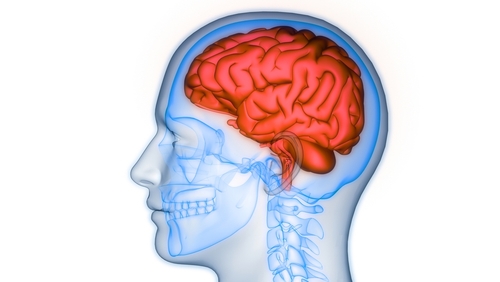
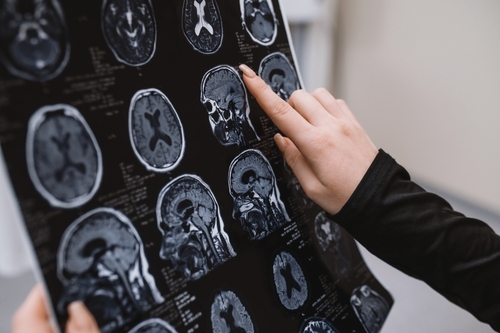
A landmark study from UC Davis Health examined brain MRIs of over 3,000 participants born between the 1930s and 1970s. The results were striking: individuals born in the 1970s had brain volumes that were 6.6% larger and cortical surface areas nearly 15% greater than those born in the 1930s. These increases were consistent across several brain structures, including white matter, gray matter, and the hippocampus—regions critical for learning, memory, and overall cognitive function.
Researchers attribute this growth to a combination of genetic and environmental factors. While genetics play a foundational role, improvements in healthcare, nutrition, education, and social conditions appear to have significantly influenced brain development across generations.
Evolutionary Insights
Complementing this generational data, a separate study led by researchers from the University of Reading, Oxford, and Durham analyzed fossil records spanning 7 million years. Their findings suggest that brain size in hominins increased gradually within species, rather than through sudden evolutionary leaps. This challenges the traditional view that major brain expansions occurred only during key evolutionary transitions.
Instead, the research points to a steady, incremental process—akin to a software update—where each species adapted over time, refining neural architecture and cognitive capacity. This gradualism underscores the complexity of evolutionary pressures and highlights how even small changes can accumulate into significant biological shifts.
Implications for Brain Health
One of the most promising aspects of this research is its potential link to dementia prevention. Larger brain structures may offer greater brain reserve, a concept referring to the brain’s ability to withstand age-related damage. As brain size increases, so does the capacity to buffer against diseases like Alzheimer’s.
Indeed, while the number of people living with dementia is rising due to aging populations, the incidence rate—the percentage of people affected—is actually declining. This suggests that improved brain health, possibly tied to increased brain size, is playing a protective role.
What This Means for the Future
These findings invite a re-evaluation of how we understand human development. They suggest that our brains are not static relics of evolution but dynamic organs shaped by both biology and environment. As we continue to improve living conditions and education worldwide, we may be nurturing not just healthier bodies—but more resilient, capable minds.
Whether this trend will continue into future generations remains to be seen. But for now, the evidence paints a hopeful picture: the human brain is still evolving, and it’s growing in ways that may help us meet the challenges of tomorrow.

 R. E. KEARNEY
Published by