
In the vast expanse above Earth, thousands of defunct satellites, spent rocket stages, and fragments from past missions orbit silently. This detritus—known as space junk—is the unintended legacy of decades of space exploration. While most of it remains aloft, some pieces inevitably succumb to gravity, reentering Earth’s atmosphere in fiery descents that can end in dramatic crashes.
What Is Space Junk?
Space junk, or orbital debris, includes any human-made object in space that no longer serves a useful purpose. This ranges from tiny paint flecks to massive rocket components. As of 2025, there are over 30,000 tracked pieces of debris larger than 10 cm, and countless smaller fragments that pose risks to spacecraft and satellites.
How Does It Fall to Earth?
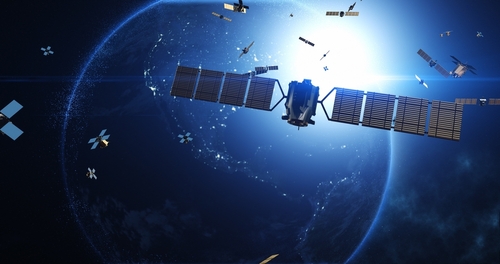
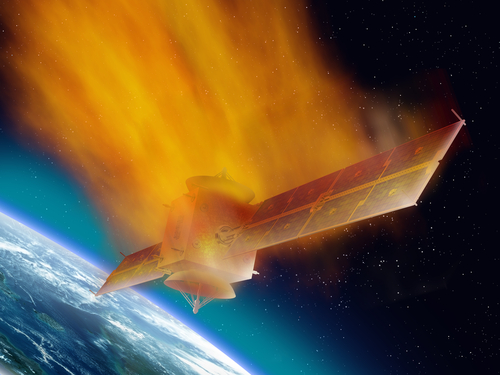
Most space junk orbits in low Earth orbit (LEO), where atmospheric drag gradually slows objects down. Over time—sometimes decades—this drag causes them to spiral inward. When they reenter the atmosphere, friction heats them to extreme temperatures, often causing them to burn up. However, larger, denser components like fuel tanks or pressure vessels can survive the descent and crash to Earth.
Recent incidents highlight the unpredictability of these reentries. In October 2025, a charred, smoldering object was discovered on a remote road in Western Australia. Experts believe it was a composite-overwrapped pressure vessel from a Chinese Jielong-3 rocket launched the previous month. The debris, made of carbon fiber, was still smoking when mine workers found it, prompting a multi-agency investigation.
Tracking and Risk Management
Agencies like NASA and ESA monitor space debris using radar and telescopes. When a large object is predicted to reenter, alerts are issued. Yet pinpointing the exact time and location of reentry is notoriously difficult due to variables like atmospheric density and object shape.
While most debris falls harmlessly into oceans or uninhabited regions, the risk to people and property isn’t zero. The failed Soviet Venus lander Kosmos 482, for example, orbited Earth for over 50 years before crashing into the Indian Ocean in May 2025. Though it caused no damage, experts warned of a “not-trivial chance” it could have struck land.
Mitigating the Threat
To curb the growing hazard, space agencies are adopting debris mitigation strategies. These include designing satellites to deorbit safely, using propulsion to steer defunct objects into controlled reentry paths, and developing technologies to capture or push debris into disposal orbits.
Private companies and international coalitions are also exploring active debris removal—essentially space cleanup missions. Concepts range from robotic arms to nets and harpoons, aiming to reduce the clutter before it becomes catastrophic.
A Shared Responsibility
As humanity’s presence in space expands, so does our responsibility to manage its byproducts. Space junk isn’t just a technical challenge—it’s a reflection of our stewardship of the final frontier. Whether through smarter design, better tracking, or international cooperation, the goal is clear: keep the skies safe, and ensure that what goes up doesn’t come crashing down unexpectedly.

 R. E. KEARNEY
Published by