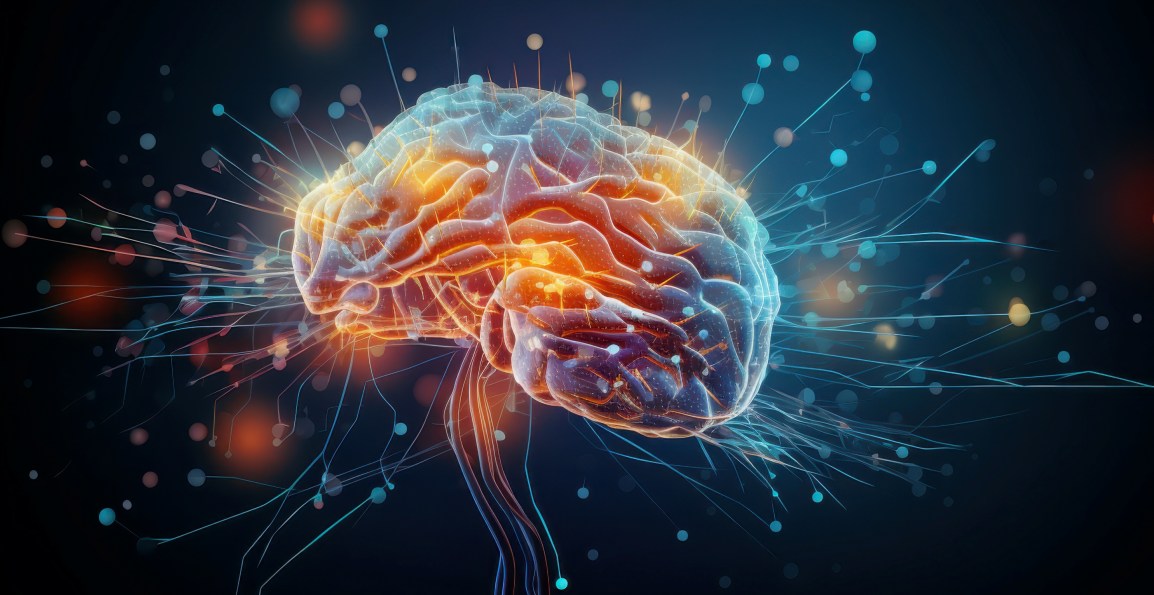
Memories don’t sit in one place inside the brain—they flow through networks of regions, shifting between storage, retrieval, and reconstruction. Understanding this movement reveals how our identities, skills, and experiences are constantly being reshaped by the brain’s dynamic architecture.
The Journey of a Memory

When you recall your first day at school or the taste of a favorite meal, your brain isn’t pulling a file from a cabinet. Instead, it’s reactivating patterns of electrical and chemical activity across billions of neurons. These neurons communicate at synapses, where neurotransmitters strengthen or weaken connections depending on how often they’re used.
1. Encoding: The Birth of a Memory
- Sensory input first enters through sensory memory, lasting only seconds.
- If attention is given, the information moves into working memory, managed largely by the prefrontal cortex.
- For long-term storage, the hippocampus acts as a hub, binding together sights, sounds, emotions, and context into a coherent episode.
2. Storage: Distributed Across the Brain
Memories are not stored in a single “memory bank.” Instead, they are distributed across specialized regions:
- Hippocampus: crucial for forming new episodic memories.
- Neocortex: long-term storage of facts and experiences.
- Amygdala: emotional coloring of memories.
- Basal ganglia & cerebellum: motor skills and habits.
This distribution means that remembering a song involves auditory cortex patterns, while recalling a fear involves amygdala activation.
3. Retrieval: Reconstructing the Past
When you recall, the hippocampus reactivates cortical networks, essentially replaying the original neural patterns. But retrieval is not perfect—memories are reconstructed, influenced by context, emotion, and even imagination. That’s why two people can remember the same event differently.
Movement and Transformation of Memories
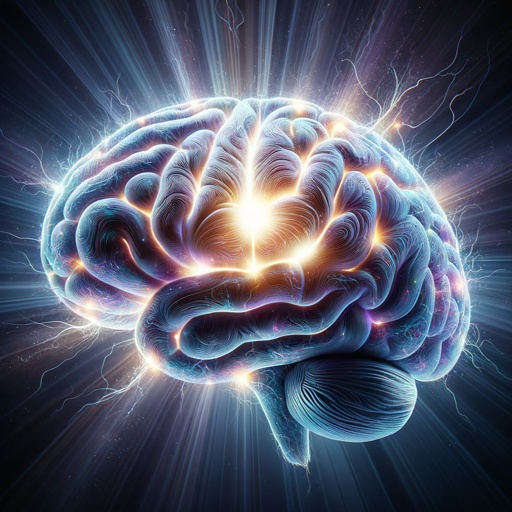
Memories shift location and form over time:
- Short-term to long-term transfer: The hippocampus gradually “teaches” the neocortex, a process called consolidation.
- Reactivation: Each recall strengthens or alters the memory trace, sometimes introducing distortions.
- Neuroplasticity: New connections form, allowing memories to integrate with fresh experiences.
This movement is not static—it’s a dance of signals, constantly reshaping who we are.
Why Memory Movement Matters
- Learning: Understanding how memories move helps explain why repetition and sleep enhance retention.
- Aging & disease: Disorders like Alzheimer’s disrupt these pathways, showing how fragile memory networks can be.
- Identity: Since memories are reconstructed, our sense of self is fluid, shaped by how the brain replays its past.
Memories are not fixed snapshots but living patterns of activity that travel through the brain’s interconnected regions. From encoding in the hippocampus to storage in the cortex and emotional shading in the amygdala, each memory is a dynamic collaboration. Every recall reshapes the past, proving that memory is less about preservation and more about continual reinvention.

 R. E. KEARNEY
Published by