Living on the Moon

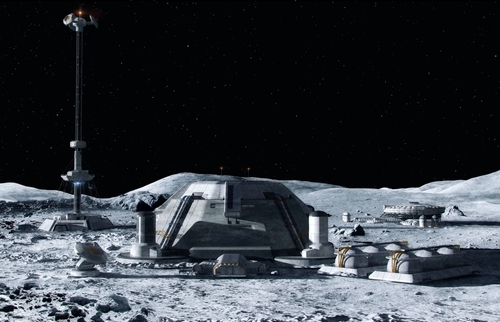
For generations, the Moon has been a symbol of mystery, ambition, and possibility. Now, as space agencies and private companies accelerate their lunar programs, the idea of humans actually living on the Moon is shifting from science fiction to a plausible future. While enormous challenges remain, the prospect of establishing a sustained human presence on our nearest celestial neighbour is becoming an increasingly serious conversation.

Why the Moon?

The Moon offers a unique stepping stone for deeper space exploration. Its proximity—roughly three days’ travel from Earth—makes it far more accessible than Mars or other planetary bodies. A lunar base could serve as a training ground for long‑duration missions, a site for scientific research impossible on Earth, and even a hub for developing technologies that might one day support interplanetary travel.

The Moon’s environment also holds scientific treasures. Its surface preserves billions of years of cosmic history, offering clues about the early solar system. Water ice discovered in permanently shadowed craters near the poles could be transformed into drinking water, breathable oxygen, or even rocket fuel. This resource alone dramatically increases the feasibility of long‑term habitation.

Building a Lunar Home

Constructing habitats on the Moon requires rethinking everything we know about architecture. With no atmosphere, extreme temperature swings, and constant exposure to radiation and micrometeorites, traditional building materials won’t suffice. Engineers are exploring innovative solutions such as:

  • 3D‑printed structures using lunar regolith (moon dust)
  • Inflatable modules that expand once deployed
  • Subsurface habitats built within lava tubes for natural protection

These designs aim to create safe, pressurized environments where humans can live, work, and conduct research.

Sustaining Life in a Hostile Environment

Living on the Moon demands a closed‑loop approach to resources. Energy would likely come from solar power, especially in regions near the lunar poles where sunlight is nearly constant. Food production might rely on hydroponics or other soil‑free agricultural systems, allowing astronauts to grow fresh produce in controlled environments.

Radiation protection remains one of the biggest hurdles. Without Earth’s magnetic field, lunar residents would need shielding built into their habitats, specialized suits, and carefully planned time outdoors.

The Human Experience

Beyond the technical challenges, there’s the human element. Life on the Moon would be isolated, confined, and psychologically demanding. Yet it would also be profoundly inspiring. Imagine waking up to a view of Earth suspended in the black sky, or walking across a landscape untouched for billions of years. Lunar settlers would be pioneers in the truest sense, shaping a new chapter of human history.

A Future Within Reach

While we’re still years away from permanent lunar settlements, the momentum is undeniable. Artemis missions, international partnerships, and private innovation are laying the groundwork for a future where humans don’t just visit the Moon—they live there. It won’t be easy, but the potential rewards, both scientific and cultural, are immense.

Humanity has always pushed toward the unknown. The Moon may well be our next home, and the first step toward becoming a truly spacefaring civilization.

Golden Eyes

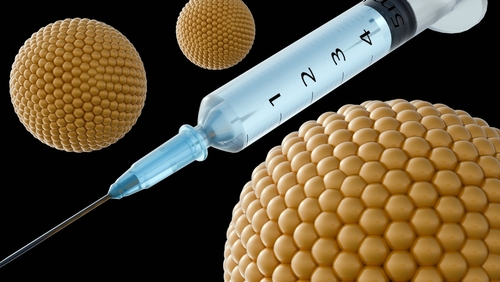
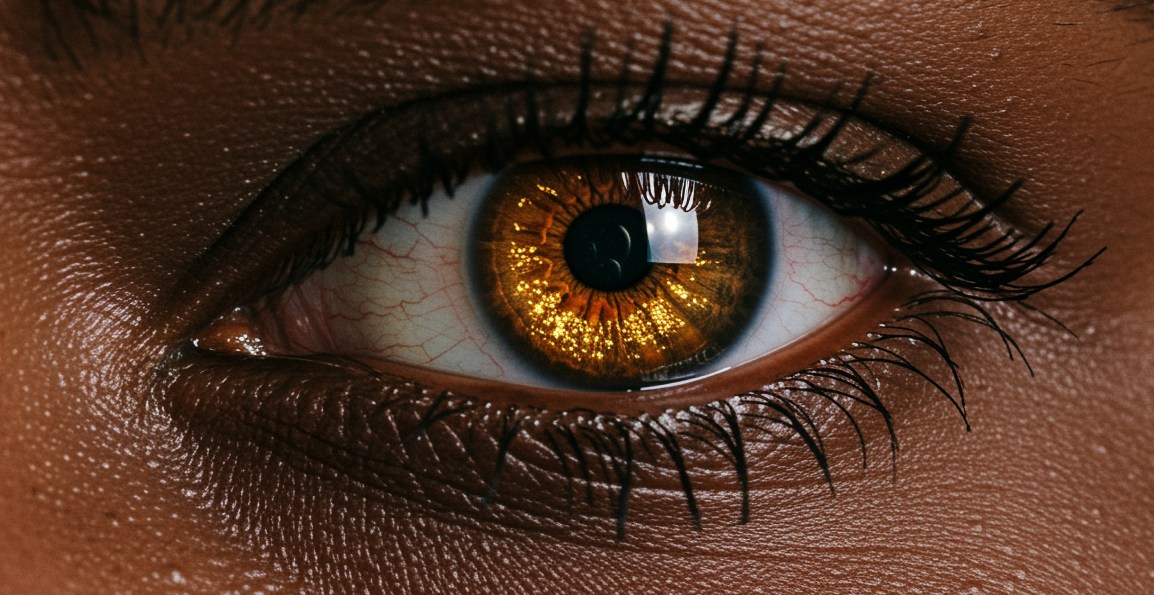
The idea of injecting gold into the eye sounds like something from myth or alchemy, yet emerging research suggests it may become a powerful tool for restoring sight. Scientists are exploring how gold nanoparticles—microscopic particles thousands of times thinner than a human hair—can help compensate for damaged retinal cells and potentially return vision to people with degenerative eye diseases. Recent studies in mice offer a glimpse of what could become a groundbreaking, minimally invasive therapy for conditions like macular degeneration and retinitis pigmentosa.

Why Gold?

Gold might seem like an unusual medical material, but at the nanoscale it behaves in remarkable ways. Gold nanoparticles (AuNPs) are:

  • Biocompatible, meaning they don’t trigger harmful immune reactions
  • Stable, resisting breakdown inside the body
  • Responsive to light, especially infrared wavelengths

These properties make them ideal for interacting with the retina, the light-sensitive tissue at the back of the eye.

The Problem: Damaged Photoreceptors

Millions of people worldwide suffer from retinal degenerative diseases. In conditions such as age‑related macular degeneration (AMD) and retinitis pigmentosa, the photoreceptors—rods and cones—gradually die. These cells normally convert light into electrical signals that travel to the brain. Once they are lost, the retina can no longer perform this essential function.

Traditional treatments can slow degeneration, but they cannot restore lost vision. That’s where gold nanoparticles enter the picture.

The Breakthrough: Gold as a Retinal Prosthesis

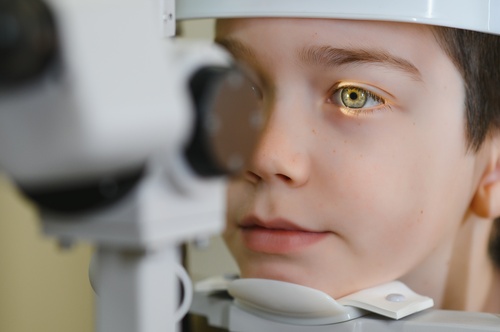
Researchers at Brown University and other institutions have demonstrated that injecting gold nanoparticles directly into the retina can help restore visual function in mice with retinal damage. The particles act as light-sensitive substitutes for lost photoreceptors.

When illuminated with infrared light, the nanoparticles generate tiny electrical signals. These signals mimic the natural activity of healthy photoreceptor cells and stimulate the remaining retinal circuitry. In other words, the gold particles become a kind of nano‑scale prosthetic, bypassing damaged cells and reactivating the visual pathway.

Studies show that mice treated with this method regained measurable visual responses, suggesting that the brain can interpret these artificial signals as meaningful visual information.

How the Procedure Works

The process is surprisingly straightforward compared to existing retinal implants:

  1. Gold nanoparticles are injected into the eye, settling within the retina.
  2. Infrared light is applied, often through specialized goggles.
  3. The nanoparticles convert this light into electrical impulses.
  4. These impulses stimulate retinal neurons, which send signals to the brain.

Unlike electronic implants, this approach requires no surgery, no wires, and no genetic modification—a major advantage for patient safety and accessibility.

The Future of Vision Restoration

While the research is still in early stages, the implications are enormous. If the technique proves safe and effective in humans, it could offer:

  • A minimally invasive alternative to retinal implants
  • A treatment for multiple forms of retinal degeneration
  • A scalable, cost‑effective therapy
  • A way to restore functional vision rather than simply slowing decline

Scientists caution that more testing is needed, but the promise is undeniable. Gold, long associated with wealth and beauty, may soon offer something far more precious: the gift of sight.

Creating Memories

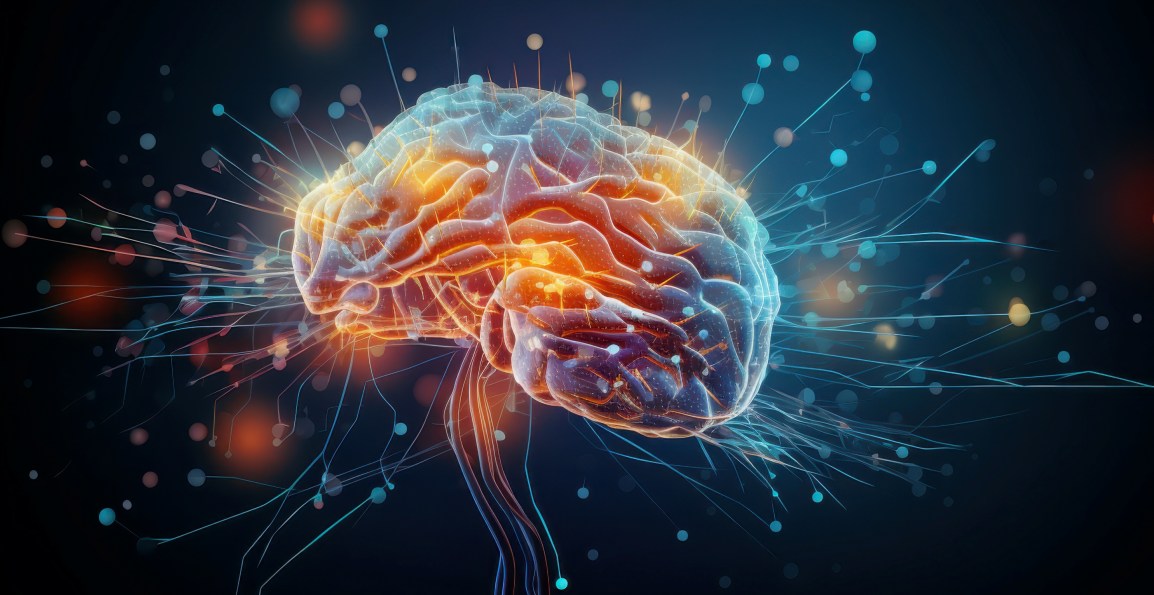
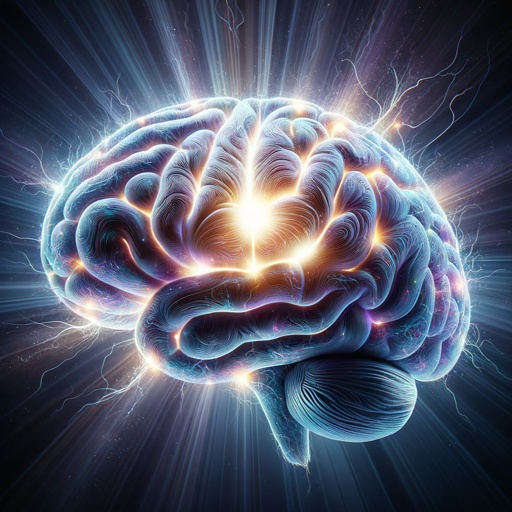
Memories don’t sit in one place inside the brain—they flow through networks of regions, shifting between storage, retrieval, and reconstruction. Understanding this movement reveals how our identities, skills, and experiences are constantly being reshaped by the brain’s dynamic architecture.

The Journey of a Memory

When you recall your first day at school or the taste of a favorite meal, your brain isn’t pulling a file from a cabinet. Instead, it’s reactivating patterns of electrical and chemical activity across billions of neurons. These neurons communicate at synapses, where neurotransmitters strengthen or weaken connections depending on how often they’re used.

1. Encoding: The Birth of a Memory

  • Sensory input first enters through sensory memory, lasting only seconds.
  • If attention is given, the information moves into working memory, managed largely by the prefrontal cortex.
  • For long-term storage, the hippocampus acts as a hub, binding together sights, sounds, emotions, and context into a coherent episode.

2. Storage: Distributed Across the Brain

Memories are not stored in a single “memory bank.” Instead, they are distributed across specialized regions:

  • Hippocampus: crucial for forming new episodic memories.
  • Neocortex: long-term storage of facts and experiences.
  • Amygdala: emotional coloring of memories.
  • Basal ganglia & cerebellum: motor skills and habits.

This distribution means that remembering a song involves auditory cortex patterns, while recalling a fear involves amygdala activation.

3. Retrieval: Reconstructing the Past

When you recall, the hippocampus reactivates cortical networks, essentially replaying the original neural patterns. But retrieval is not perfect—memories are reconstructed, influenced by context, emotion, and even imagination. That’s why two people can remember the same event differently.

Movement and Transformation of Memories

Memories shift location and form over time:

  • Short-term to long-term transfer: The hippocampus gradually “teaches” the neocortex, a process called consolidation.
  • Reactivation: Each recall strengthens or alters the memory trace, sometimes introducing distortions.
  • Neuroplasticity: New connections form, allowing memories to integrate with fresh experiences.

This movement is not static—it’s a dance of signals, constantly reshaping who we are.

Why Memory Movement Matters

  • Learning: Understanding how memories move helps explain why repetition and sleep enhance retention.
  • Aging & disease: Disorders like Alzheimer’s disrupt these pathways, showing how fragile memory networks can be.
  • Identity: Since memories are reconstructed, our sense of self is fluid, shaped by how the brain replays its past.

Memories are not fixed snapshots but living patterns of activity that travel through the brain’s interconnected regions. From encoding in the hippocampus to storage in the cortex and emotional shading in the amygdala, each memory is a dynamic collaboration. Every recall reshapes the past, proving that memory is less about preservation and more about continual reinvention.

Dark Matter Exists

Astronomers may have finally glimpsed dark matter, with recent gamma-ray observations offering the strongest evidence yet of its existence. In late 2025, researchers at the University of Tokyo reported signals from NASA’s Fermi Gamma-ray Space Telescope that match long-standing predictions of how dark matter particles should behave, potentially marking the first direct detection of this elusive cosmic substance.

The Invisible Framework of the Cosmos

For nearly a century, scientists have wrestled with the mystery of dark matter, a hypothetical form of matter that does not emit, absorb, or reflect light. Its existence was first proposed in the 1930s by Swiss astronomer Fritz Zwicky, who noticed that galaxies in the Coma Cluster were moving too fast to be held together by visible matter alone. Later, in the 1970s, Vera Rubin’s studies of galactic rotation curves reinforced the idea that something unseen was exerting gravitational influence. Today, dark matter is thought to make up about 85% of the universe’s mass and roughly 25% of its total energy content, yet it has remained undetectable by conventional means.

The Recent Breakthrough

In November 2025, astronomer Tomonori Totani of the University of Tokyo analyzed 15 years of Fermi Telescope data and identified a halo of high-energy gamma rays surrounding the Milky Way’s center. These gamma rays align strikingly well with theoretical predictions of weakly interacting massive particles (WIMPs)—a leading candidate for dark matter. According to models, when WIMPs collide and annihilate, they should release photons at specific energy levels. The observed glow matches these expectations in both intensity and spatial distribution, making it one of the most compelling leads in decades.

Why This Matters

If confirmed, this discovery would represent humanity’s first direct observation of dark matter, a milestone comparable to the detection of gravitational waves in 2015. It could:

  • Validate decades of theoretical physics by confirming WIMPs as real particles.
  • Revolutionize cosmology, offering insights into galaxy formation and the large-scale structure of the universe.
  • Open new physics beyond the Standard Model, since dark matter does not fit neatly into existing frameworks.

Skepticism and Next Steps

Despite the excitement, scientists remain cautious. Gamma-ray signals can also be produced by astrophysical sources such as pulsars or black hole activity. Distinguishing between these and genuine dark matter annihilation requires further analysis. Independent teams will need to replicate the findings, and future instruments—such as the Cherenkov Telescope Array—may provide higher-resolution data to confirm or refute the claim.

Conclusion

Dark matter has long been described as the “invisible glue” holding the universe together. The recent gamma-ray detection may finally have given us a glimpse of this hidden substance, marking a turning point in astrophysics. While skepticism is warranted until the evidence is independently verified, the possibility that we are witnessing dark matter for the first time is both thrilling and profound. If confirmed, this breakthrough will reshape our understanding of the cosmos and open new frontiers in physics.

Space Moss

Scientists have discovered that moss can survive months on the exterior of the International Space Station, revealing its extraordinary resilience and potential role in future space habitats.

Moss in the Harshness of Space

When Japanese researchers attached samples of Physcomitrium patens—a common laboratory moss—to the outside of the International Space Station (ISS), they expected most of it to perish. Space is unforgiving: a vacuum with extreme temperature fluctuations, intense ultraviolet radiation, and virtually no oxygen. Yet, after nine months of direct exposure, much of the moss remained viable. In fact, over 80 percent of spores germinated successfully once returned to Earth.

This experiment, published in iScience, tested three developmental stages of moss: juvenile filaments (protonemata), specialized stem-like brood cells, and sporophytes (structures that encase spores). While the juvenile moss failed under the harsh UV bombardment, the sporophytes and brood cells endured, retaining their vitality and reproductive potential.

Why Moss Matters for Space Exploration

Moss is not just a curiosity. Its survival outside the ISS suggests it could play a role in closed-loop ecosystems for long-term human habitation beyond Earth. Mosses are simple plants that:

  • Photosynthesize efficiently, producing oxygen.
  • Absorb and retain water, helping regulate humidity.
  • Tolerate extreme environments, from volcanic fields to Antarctic tundra.

If moss can withstand space, it may serve as a biological pioneer for habitats on the Moon or Mars, contributing to air recycling, soil formation, and even food webs. Researchers emphasize that understanding the resilience of Earth-born organisms is crucial for expanding human habitats beyond our planet.

Lessons from Earth’s Toughest Survivors

Mosses thrive in places where few plants can: Himalayan peaks, lava fields, deserts, and polar ice. Their ability to endure desiccation and radiation makes them ideal candidates for astrobiology experiments. The ISS study confirms that moss spores, much like bacterial or fungal spores, can survive long-term exposure to outer space and remain reproductively viable.

This resilience also raises intriguing questions about panspermia—the hypothesis that life could spread between planets via spores or microbes hitching rides on asteroids. Moss’s survival lends weight to the idea that life forms might endure interplanetary journeys.

Future Applications

The findings open several possibilities:

  • Bioregenerative life-support systems: Moss could help astronauts recycle air and water in space habitats.
  • Terraforming research: Studying moss survival may inform strategies for seeding life on Mars.
  • Material science: Understanding how moss withstands radiation could inspire protective coatings or biomimetic designs.

Conclusion

The moss clinging to the ISS is more than a scientific curiosity—it is a symbol of life’s tenacity. By surviving nine months in the vacuum of space, Physcomitrium patens demonstrates that even the humblest plants may become vital allies in humanity’s quest to live beyond Earth. As researchers continue to probe its limits, moss may prove to be one of the first green pioneers of extraterrestrial ecosystems.

Lab Grown Brains

Lab-grown brains—known as brain organoids—are revolutionizing neuroscience, offering unprecedented insights into cognition, disease, and even the ethics of artificial intelligence. Recent breakthroughs suggest these miniature brains may soon reshape medicine and our understanding of the human mind.

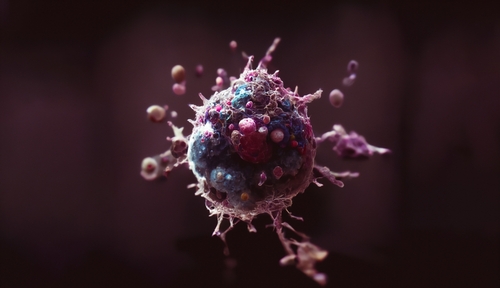
In recent years, scientists have made remarkable progress in cultivating brain organoids—tiny, three-dimensional clusters of human brain cells grown from stem cells. These structures mimic the architecture and activity of early-stage human brains, and while they don’t possess consciousness, they exhibit surprising complexity.

A major milestone came in September 2025, when researchers at Johns Hopkins University demonstrated that brain organoids could replicate the fundamental building blocks of learning and memory. Their study showed that these organoids formed synaptic connections and exhibited electrical activity akin to neural circuits involved in cognition. This opens the door to studying how memory forms and how disorders like Alzheimer’s disrupt it.

Meanwhile, MIT’s Picower Institute unveiled “Multicellular Integrated Brains” (miBrains), a new generation of organoids that include all six major brain cell types, including neurons, glial cells, and vascular components. These miBrains are grown from individual donors’ stem cells, allowing for personalized models of neurological disease and drug response.

Another leap forward came from Stanford University, where researchers cultivated thousands of cortical organoids that pulse with electrical signals and develop layered structures resembling the human cortex. These models are helping scientists investigate the origins of neurodevelopmental disorders such as autism and schizophrenia.

Potential Uses:

  • Disease Modeling: Organoids allow researchers to simulate conditions like Parkinson’s, epilepsy, and ALS in a controlled environment, accelerating drug discovery and testing.
  • Personalized Medicine: By growing organoids from a patient’s own cells, doctors could predict how that individual might respond to specific treatments.
  • Developmental Biology: These models help decode how the brain forms and what goes wrong in congenital disorders.
  • Toxicology and Drug Screening: Organoids offer a human-relevant platform for testing pharmaceuticals and environmental toxins without relying on animal models.

Implications and Ethical Questions:

As organoids become more sophisticated, ethical concerns are intensifying. Could a sufficiently complex organoid develop sentience or experience pain? While current models lack the structure and input required for consciousness, the line between simulation and cognition is blurring.

Moreover, the fusion of brain organoids with AI systems or robotic interfaces raises questions about neuro-enhancement and synthetic consciousness. Some researchers envision hybrid systems where lab-grown neural tissue interfaces with machines to create bio-computers or prosthetic cognition.

There’s also the issue of identity and consent. If organoids are derived from human donors, do those donors retain rights over the research outcomes? And how should society regulate the creation of increasingly lifelike brain models?

Conclusion:

Lab-grown brains are not science fiction—they’re rapidly becoming central to neuroscience, medicine, and bioethics. As researchers push the boundaries of what these organoids can do, society must grapple with profound questions about the nature of thought, identity, and the future of human-machine integration.