Extreme Nuclear Transients

Extreme nuclear transients are among the most enigmatic and energetic phenomena in astrophysics. These fleeting yet profoundly powerful events involve nuclear processes that release immense amounts of energy in short bursts, often leaving behind traces that challenge our understanding of fundamental physics.

Understanding Extreme Nuclear Transients

Extreme nuclear transients refer to highly energetic astrophysical occurrences where nuclear reactions—whether fusion or fission—occur under extreme conditions. These can manifest as sudden bursts of radiation, high-energy particles, or the rapid transformation of matter into exotic states. Some well-known examples include neutron star mergers, gamma-ray bursts (GRBs), and certain types of supernovae.

Unlike steady nuclear fusion in stars, which sustains energy production over millions to billions of years, these transients unleash their energy in a matter of seconds to minutes, often triggering secondary cosmic events. The study of extreme nuclear transients has implications for astrophysics, nuclear physics, and even cosmology, as they reveal details about the composition and evolution of matter in the universe.

Key Examples of Extreme Nuclear Transients

1. Gamma-Ray Bursts (GRBs) – GRBs are among the most extreme examples of nuclear transients. Originating from either the collapse of massive stars (long-duration GRBs) or the merger of compact objects like neutron stars (short-duration GRBs), these explosions release as much energy in mere seconds as the Sun would emit over its entire lifetime. The nuclear reactions involved create exotic elements and high-energy radiation detectable across vast cosmic distances.

2. Neutron Star Mergers – When two neutron stars spiral toward each other and collide, they create a brief but violent nuclear transient. This event produces gravitational waves—ripples in spacetime first detected in 2017—and extreme nuclear reactions. The aftermath of such mergers often includes kilonovae, where heavy elements like gold and platinum form through rapid neutron capture.

3. Pair-Instability Supernovae – Some of the most massive stars undergo a rare nuclear process called pair-instability, where high-energy gamma rays spontaneously create electron-positron pairs. This disrupts the star’s equilibrium, leading to a runaway nuclear reaction that results in a catastrophic explosion. Unlike typical supernovae, pair-instability events leave behind no remnant—just vast clouds of newly forged elements.

4. Magnetar Outbursts – Magnetars—neutron stars with ultra-powerful magnetic fields—occasionally undergo sudden magnetic reconnection events that trigger extreme nuclear reactions. These transients emit intense X-rays and gamma rays, sometimes causing observable disruptions in nearby astrophysical environments.

Implications for Science and Technology

Extreme nuclear transients provide unique opportunities to test theories of fundamental physics, including quantum mechanics and relativity. Studying them enables scientists to refine models of nuclear reactions in extreme environments, potentially leading to new insights into controlled fusion technology. Moreover, understanding these events enhances our ability to detect cosmic signals, such as gravitational waves and high-energy neutrinos, aiding the search for undiscovered physics.

As observational techniques improve, including deep-space telescopes and advanced detectors, we may uncover new types of nuclear transients that challenge our existing models. These phenomena remain at the frontier of astrophysics, offering a glimpse into the universe’s most violent and transformative moments.

Extreme nuclear transients serve as cosmic laboratories, revealing physics under conditions unattainable on Earth. By studying them, we inch closer to unlocking the mysteries of energy generation, matter formation, and the ultimate fate of the cosmos.

Hidden Dangers in Toothpaste

Toothpaste is a daily essential, trusted for its role in maintaining oral hygiene. However, concerns have emerged regarding the presence of harmful contaminants, including lead, fluoride in excessive amounts, and other toxic substances. Understanding these risks is crucial for consumers who prioritize health and safety in their personal care routines.

The Issue of Lead Contamination 

Lead exposure is widely recognized as hazardous, even at low levels. While lead is not an intentional ingredient in toothpaste, contamination can occur through tainted raw materials or inadequate manufacturing practices. Reports have surfaced about imported toothpaste containing unsafe levels of lead, often due to the inclusion of unregulated colorants or glycerin sourced from contaminated industrial suppliers. 

Lead exposure is particularly dangerous for children, as it can result in developmental delays, neurological damage, and other systemic health issues. In adults, prolonged exposure may lead to kidney damage, cardiovascular complications, and cognitive impairments. The presence of lead in oral care products is alarming because the mucous membranes in the mouth facilitate direct absorption into the bloodstream. 

Other Harmful Contaminants 

Beyond lead, other concerning substances have been identified in toothpaste formulations. 

Excessive Fluoride: While fluoride is added to toothpaste to strengthen enamel and prevent cavities, excessive exposure can lead to dental fluorosis (discoloration and brittleness of teeth) and skeletal fluorosis (bone damage). Some regions with high natural fluoride levels in drinking water already expose populations to significant fluoride intake, making fluoride-containing toothpaste potentially problematic. 

Triclosan: Once commonly used for its antibacterial properties, triclosan has been linked to endocrine disruption and increased antibiotic resistance. Many regulatory agencies have banned its use in hygiene products, but it may still be present in older formulations or specific international brands. 

Diethylene Glycol (DEG): Found in certain counterfeit or poorly regulated toothpaste brands, DEG is a toxic substance used as an industrial solvent. It can lead to kidney damage, liver toxicity, and neurological complications upon prolonged exposure. 

Artificial Dyes and Sweeteners: Synthetic dyes, such as FD&C Blue 1, have raised concerns due to potential allergic reactions and links to hyperactivity in children. Meanwhile, sweeteners like saccharin or sodium lauryl sulfate (SLS) can cause irritation, particularly in individuals prone to ulcers or gum sensitivities. 

How to Choose a Safe Toothpaste 

Consumers can take proactive steps to ensure their toothpaste is free from harmful contaminants: 

Check for Regulatory Approval: Look for certifications from reputable health organizations or regulatory bodies such as the FDA, European Medicines Agency (EMA), or other national agencies. 

Read Ingredient Lists Carefully: Avoid products with vague ingredient disclosures or those containing known harmful substances. 

Prefer Natural Formulations: Brands emphasizing natural ingredients without artificial dyes, preservatives, or triclosan may offer a safer alternative. 

Watch for Recalls and Warnings: Stay informed about product recalls and health advisories regarding contaminated toothpaste brands, particularly when purchasing imported or discounted products. 

Conclusion 

While toothpaste is meant to promote dental health, certain formulations may pose hidden dangers. Awareness of contaminants such as lead, triclosan, and excess fluoride empowers consumers to make safer choices. By scrutinizing ingredient lists and opting for well-regulated products, individuals can maintain good oral hygiene without compromising their long-term health.

The Hidden Costs of Junk Food on Brain Health

Junk food—fast, convenient, and often irresistibly tasty—has become a staple in modern diets. While most people recognize its harmful effects on physical health, fewer understand the impact of junk food on the brain. Research increasingly reveals that highly processed, sugar-laden, and unhealthy fat-packed foods can have profound consequences on cognitive function, mental health, and overall brain integrity.

How Junk Food Alters Brain Chemistry

Eating junk food floods the brain with excessive amounts of sugar and unhealthy fats, disrupting neurotransmitter balance. The brain relies on steady glucose levels for optimal function, but refined sugars create dramatic spikes and crashes. This instability negatively affects focus, memory, and mood, leading to increased irritability and mental fatigue.

Moreover, junk food triggers excessive dopamine release—the “feel-good” neurotransmitter—reinforcing addictive eating behaviors. Studies suggest that frequent consumption of highly processed foods can alter the brain’s reward system, making it harder to resist cravings, akin to the effects seen in drug addiction.

Cognitive Decline and Impaired Memory

The long-term effects of junk food consumption extend beyond temporary brain fog. Diets high in processed foods and trans fats have been linked to an increased risk of cognitive decline and memory impairment. Research from UCLA indicates that a diet rich in unhealthy fats can weaken synaptic connections, the pathways crucial for learning and memory retention. Over time, this can contribute to neurodegenerative diseases such as Alzheimer’s.

Additionally, excessive junk food intake leads to systemic inflammation, a condition that has been associated with brain shrinkage and decreased cognitive function. Chronic inflammation disrupts brain signaling, slowing down cognitive processing and increasing the likelihood of developing memory-related disorders.

Mental Health Consequences

Beyond cognitive impairments, junk food plays a significant role in mental health disorders. Highly processed foods contribute to increased levels of anxiety and depression. A study published in the journal Psychiatry Research found a direct correlation between diets high in fast food and a greater prevalence of mood disorders. Artificial additives, preservatives, and excessive sugar can disrupt gut microbiota, affecting serotonin production—the neurotransmitter responsible for mood regulation.

Moreover, junk food consumption can exacerbate stress. Poor nutrition weakens the body’s ability to regulate cortisol, the stress hormone. When cortisol levels remain elevated, they impair rational thinking and emotional control, making individuals more prone to anxiety and impulsivity.

Decreased Brain Plasticity and Poor Decision-Making

Brain plasticity—the ability to adapt, learn, and form new connections—is essential for growth and development. Junk food diets reduce neuroplasticity, diminishing the brain’s ability to process information efficiently. Reduced plasticity affects problem-solving, learning new skills, and adapting to challenges.

Additionally, excessive junk food intake weakens the prefrontal cortex, the brain region responsible for decision-making and impulse control. This deterioration makes individuals more prone to poor judgment, reinforcing unhealthy eating habits and further damaging brain health.

Conclusion

While junk food may offer momentary pleasure, its long-term effects on the brain are concerning. From cognitive decline and impaired memory to mental health disorders and weakened decision-making, the consequences of junk food extend far beyond weight gain. Choosing a diet rich in whole, nutrient-dense foods supports optimal brain function, ensuring better mental clarity, emotional stability, and long-term cognitive health. In a world where fast food dominates convenience, prioritizing brain-friendly nutrition is more crucial than ever.

The Risks with MRI Scans

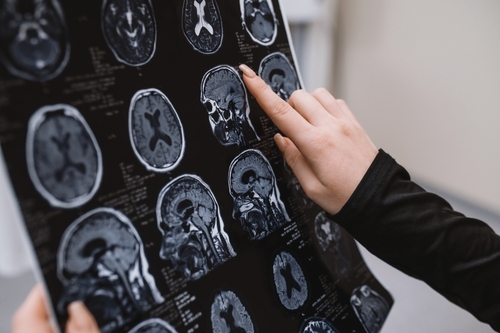
Magnetic Resonance Imaging (MRI) scans are invaluable tools in modern medicine, providing detailed images of the body’s interior to help diagnose a wide range of conditions. However, they are not without risks, particularly due to the use of contrast agents—commonly referred to as “dye”—and the potential impacts on patient health.

Contrast Agents: A Double-Edged Sword

To improve the clarity of MRI images, contrast agents like gadolinium-based compounds are often administered intravenously. While generally considered safe, gadolinium poses certain risks. For patients with impaired kidney function, gadolinium can lead to a rare but serious condition called nephrogenic systemic fibrosis (NSF). NSF causes thickening and hardening of the skin, as well as potential damage to internal organs, significantly impairing quality of life.

Moreover, recent studies have indicated that gadolinium may remain in the body long after the scan. Tiny deposits have been found in organs such as the brain, raising concerns about long-term effects. While the clinical implications of these deposits are not yet fully understood, researchers are investigating potential links to neurological symptoms, including headaches and cognitive changes.

Allergic Reactions and Toxicity

Contrast agents can also trigger allergic reactions in some patients, ranging from mild symptoms like rash and itching to severe cases involving difficulty breathing or anaphylaxis. Although these reactions are relatively rare, they represent a serious risk for individuals prone to allergies.

Additionally, gadolinium is toxic in its natural state and is only safe for medical use when bound to specific molecules. In certain cases, this bond can break down, especially in patients with compromised renal function, exposing them to toxic forms of gadolinium.

Physical Risks During the MRI Procedure

Beyond the contrast agent, the MRI procedure itself is not entirely without hazards. The powerful magnetic fields used in MRI can interact with metallic implants or devices inside the body, such as pacemakers or artificial joints. If precautions are not properly taken, this interaction can lead to malfunctioning of the devices or even physical harm.

Patients with claustrophobia may find the enclosed space of the MRI machine extremely distressing, potentially causing significant psychological discomfort. Sedatives are often required in such cases, introducing additional risks associated with medication.

Impact on Vulnerable Groups

Vulnerable groups, such as pregnant individuals, also face unique challenges. While MRI scans are generally considered safe during pregnancy, there is limited data on the effects of gadolinium exposure on the developing fetus. As a precaution, contrast-enhanced MRI is typically avoided during pregnancy unless absolutely necessary.

Balancing Benefits and Risks

Despite the potential risks associated with MRI scans, they remain a critical diagnostic tool that has revolutionized medicine. It is essential for healthcare providers to carefully assess the necessity of MRI scans and contrast agents, particularly for high-risk patients. By weighing the benefits against the risks and exploring safer alternatives, the medical community can ensure that these powerful tools continue to save lives without compromising patient safety.

The Glass Man of Pompeii

Pompeii, the ancient Roman city that met its tragic end in 79 CE due to Mount Vesuvius’s catastrophic eruption, continues to astonish scientists and historians with its eerie snapshots of life frozen in time. Among the thousands of victims whose remains were preserved by volcanic ash, one individual stands out due to a remarkable and almost otherworldly phenomenon: his brain matter turned to glass.

This discovery, made during excavations at the Collegium Augustalium—a building dedicated to the cult of Emperor Augustus—has become a scientific marvel. Researchers uncovered the remains of a man believed to be in his twenties, lying face-down on a wooden bed. His skull contained shiny, glassy fragments of material, initially mistaken for volcanic rock. Upon closer examination, the fragments were identified as vitrified brain tissue—a phenomenon so rare that it has captured the imagination of both the scientific community and the public.

The Science Behind Vitrification

Vitrification occurs when organic material is exposed to extreme heat and then rapidly cooled, transforming it into a glass-like substance. In the case of this Pompeian victim, the heat from Vesuvius’s eruption likely reached temperatures exceeding 500°C (932°F). Such intense heat would have instantly vaporized soft tissues and fluids. However, the subsequent cooling from volcanic ash and pumice might have solidified the residual brain matter into glass.

This process is remarkably rare, as conditions must align perfectly. The combination of instantaneous exposure to extreme heat and rapid cooling created the ideal circumstances for vitrification to occur. It also highlights the devastating force of Vesuvius’s eruption—a calamity capable of reshaping both landscapes and human remains in extraordinary ways.

The Implications for Science

The glassified brain matter offers invaluable insights into ancient disasters and preservation. By analyzing the vitrified fragments, scientists have been able to determine the victim’s exposure to extreme temperatures and the sequence of events during the eruption. Additionally, studying the chemical composition of the glassified tissue sheds light on cellular processes under extreme environmental conditions.

The discovery also invites broader discussions about the limits of human survival and the resilience of biological materials. It serves as a chilling reminder of the fragility of life in the face of natural catastrophes while deepening our understanding of how such events preserve history.

History is full of other fascinating cases of unusual preservation:

1. The Tollund Man: This is one of the most famous bog bodies, discovered in Denmark in 1950. The Tollund Man lived during the Iron Age, around 375–210 BCE, and his body was remarkably preserved in a peat bog. The acidic, oxygen-poor environment of the bog prevented decay, preserving his skin, facial features, and even the contents of his stomach.

2. The Ice Maiden of Siberia: Also known as the Ukok Princess, this mummy was found in the Altai Mountains of Siberia in 1993. She is believed to have lived around 2,500 years ago. Her body was preserved in permafrost, which kept her skin, tattoos, and burial garments intact.

3. The Franklin Expedition: The ill-fated Arctic expedition led by Sir John Franklin in 1845 resulted in the deaths of all crew members. Some bodies were discovered decades later, preserved in the permafrost. Autopsies revealed details about their diet and health, including evidence of lead poisoning from canned food.

4. Pompeii and Herculaneum: Beyond the vitrified brain tissue, the volcanic eruption of Mount Vesuvius in 79 CE preserved entire towns under layers of ash. Organic materials like bread, furniture, and even graffiti were frozen in time, offering a unique glimpse into Roman life.

5. The Rosalia Lombardo Mummy: Known as the “Sleeping Beauty,” Rosalia Lombardo was a two-year-old girl who died in 1920. Her body was embalmed using a special technique, and she remains incredibly well-preserved in the Capuchin Catacombs of Palermo, Italy. Her lifelike appearance continues to intrigue visitors.

6. The Ötzi Iceman: Discovered in the Alps in 1991, Ötzi is a 5,300-year-old mummy preserved in ice. His body, clothing, and tools provide invaluable insights into Copper Age life. Scientists have even reconstructed his last meal and the injuries he sustained before his death.

These cases highlight the diverse ways in which natural and artificial conditions can preserve human remains and artifacts. Each discovery offers a unique window into the past, enriching our understanding of history and human life.

Declining Intelligence

Recent studies have sparked a thought-provoking discussion about the potential decline in human intelligence. While intelligence is a complex and multifaceted concept, researchers have observed trends that suggest a decrease in certain cognitive abilities, such as problem-solving, reasoning, and attention spans, across various age groups.

Evidence of Decline

One of the key indicators of this trend comes from benchmarking tests like the Programme for International Student Assessment (PISA), which evaluates the educational skills of 15-year-olds worldwide. These assessments have shown a consistent decline in critical thinking and numeracy skills over the past decade. Similarly, the University of Michigan’s “Monitoring the Future” study has documented increasing difficulties in concentration among young adults. Notably, these declines predate the COVID-19 pandemic, suggesting that the issue is rooted in deeper societal and environmental factors.

Possible Causes

Several theories attempt to explain why human intelligence might be on the downturn:

1. Digital Overload: The pervasive use of digital devices and social media has been linked to shorter attention spans and reduced verbal functioning, particularly in children. The constant barrage of information can make it harder for individuals to focus and retain knowledge.

2. Decline in Reading Habits: Reading, a critical activity for cognitive development, has seen a significant drop in popularity. For instance, a 2022 study found that only 37.6% of Americans had read a novel or short story in the previous year, down from 45.2% in 2012. This shift away from deep, reflective reading to more superficial forms of media consumption may be impacting cognitive skills.

3. Educational Challenges: Changes in educational systems and curricula, coupled with disparities in access to quality education, have also been cited as contributing factors. The pandemic further exacerbated these issues, disrupting learning for millions of students worldwide.

4. Environmental and Lifestyle Factors: Some researchers point to environmental influences, such as exposure to pollutants, poor nutrition, and sedentary lifestyles, as potential contributors to cognitive decline.

Implications and Future Directions

The implications of declining intelligence are far-reaching, affecting everything from individual decision-making to societal progress. A less cognitively capable population could struggle with complex problem-solving, critical thinking, and innovation—skills that are essential in an increasingly interconnected and technologically advanced world.

However, it’s important to note that intelligence is not a fixed trait. Interventions such as promoting reading, encouraging critical thinking, and fostering healthier lifestyles could help mitigate these trends. Additionally, leveraging technology in ways that enhance rather than hinder cognitive abilities offers a promising avenue for addressing this challenge.

In conclusion, while the evidence of declining intelligence is concerning, it also presents an opportunity for reflection and action. By understanding the underlying causes and implementing targeted strategies, society can work towards reversing these trends and fostering a more intellectually robust future.