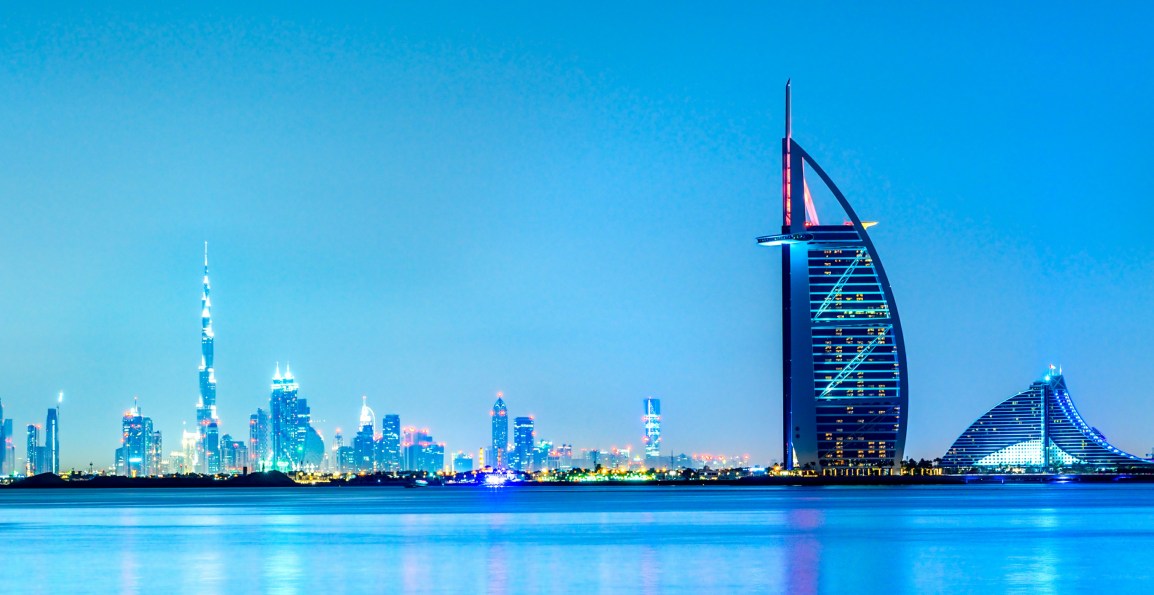
3D technology has improved significantly since it was first used. Dubai, as the home of many modern architectural wonders, has wasted no time in finding a way to use this technology in order to create the first building that has the exterior, the interior and even the furniture made using only 3D printing technology. The building is the new office for the Dubai Future Foundation and has been a test for the creativity and versatility of 3D printing. Dubai aims to continue using their 3D printing innovations to become a world leading technological center of architecture and design.
The building was made using special reinforced concrete, fiber reinforced plastic and glass fiber reinforced gypsum. It has been described as an elaborate, modernized version of the Flintsone’s house in Bedrock. The structure was designed by the architectural firm Gensler and commissioned out to WinSun, because of their experience in making 3D buildings. This was the first building that they have actually constructed on site and they did so using a 20ft tall, 120ft long 3D printer. The building’s final measurement is 2600ft and its construction was completed in a slightly longer time period than two weeks. It is estimated that using 3D printing instead of traditional construction methods resulted in a savings of 80% in labor costs, and as much as 60% less material was wasted.
 Dubai is one of the most expensive places in the world to live, and the world’s second largest oil supplier. The country has still made it a priority to limit the ways in which it uses oil and is increasingly relying on cleaner energy sources, such as solar panels. There is a long term plan in place for them to become the cleanest city in the world by 2050. Dubai’s aim is to preserve the environment for future generations, and the country intends to do this using a combination of cleaner energy sources and 3D printing.
Plans are already being made to develop an innovative center, which will rely on 3D printing, as a base for research and development for other energy sources that will create a safer, healthier environment for us to live in. This is research that the entire world would be able to benefit from, when new ways and means of producing energy is found.
Dubai is currently working on other projects that will feature buildings made from 3D printing. This includes a ‘Museum of the Future’ which will have items that are all formed using 3D printing technology, and will show designs expected to be used 10 years in the future. The displays will be changed at least every six months in order to reflect the constant projection of being one decade ahead.
Dubai has proven that it is not only ahead of the majority of other nations, in the way that their technology is advancing but also in the way they are creating the future. Other countries can also benefit from following their example wherever possible.
Dubai’s advances in 3D printing for construction and other product manufacturing provided examples for the construction of the seasteaded city of Venus in the science based fiction Endless Fire Future Furies.
Additional information concerning 3D construction is available at http://www.sculpteo.com/blog/2015/10/07/3d-printing-construction/

 Ice Decreasing in Greenland and West Antarctica – The ice sheets that cover these areas are melting at a significantly increased rate. Ice streams become water and move into the sea faster every year. The Antarctica ice shelves are even melting from below sea levels, and large chunks of ice break off and float away to melt in warmer waters.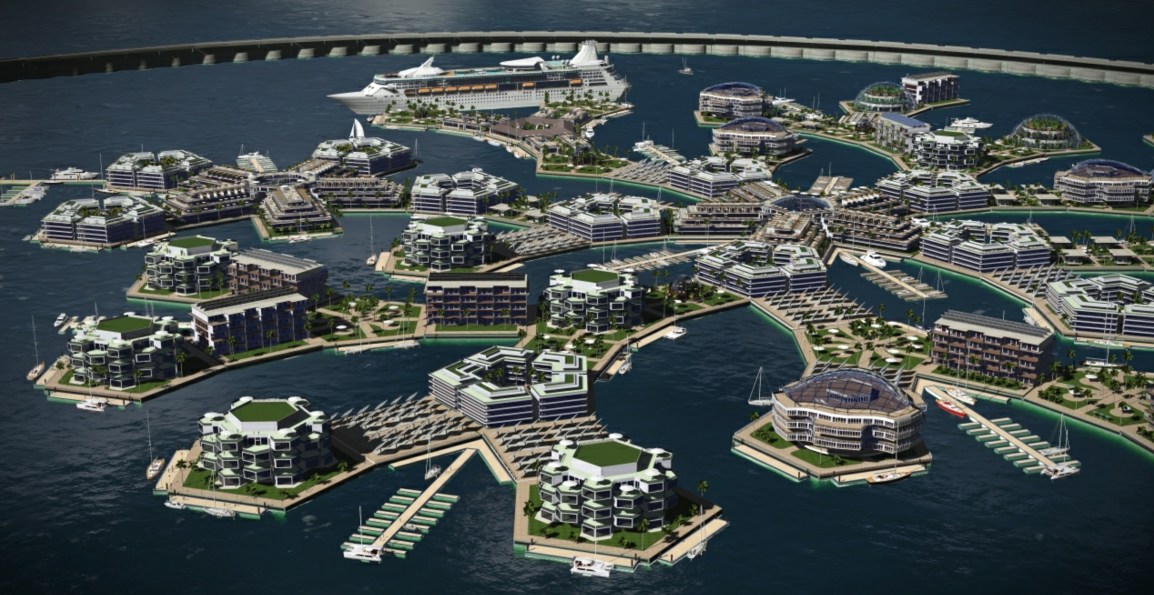


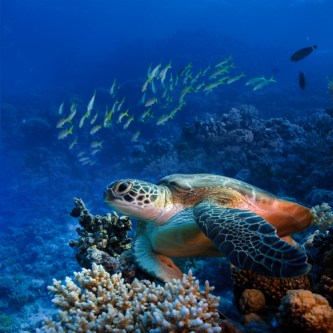 The core mission of the United States Navy is to meet America’s global security commitments at sea. In order to do this they are continuously carrying out tests and training, in the major water bodies surrounding the country. These include using sonar technology and carefully monitored underwater explosions. The effects of these tests on marine life are still not completely understood. In order to ensure that the animals are being protected as well as possible the US Navy monitors and reports conditions that might affect them, following guidelines which are outlined under the Endangered Species and the Marine Mammal Protection Acts.
 Marine Mammal Ecology and Population Dynamics.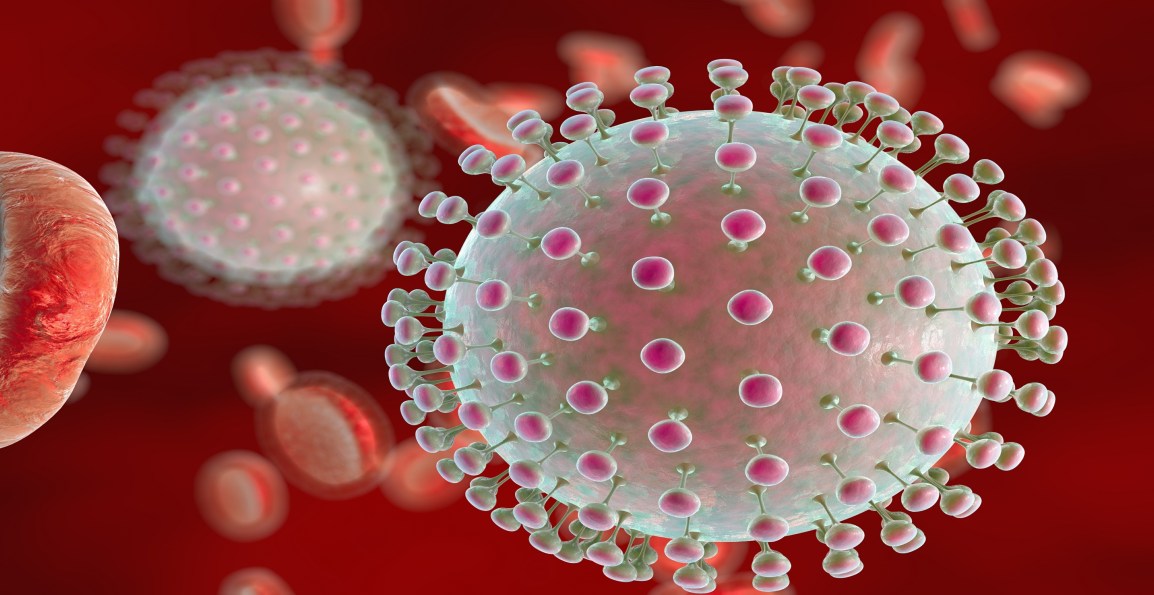
 Ebola is one of the viruses that is currently associated with many human deaths. It is believed to have originated in bats in West Africa, and is transferred in humans quickly and easily through contact with those that are affected. It is associated with an extremely high fatality rate, as approximately 50% of those that are infected end up dying from the virus. The symptoms are very flu-like in appearance but quickly escalate to include nausea and diarrhoea. In order to find a cure or vaccine to help decrease the amount of people that die from the virus, scientists are continuously studying the survivors.
 Even though the regular influenza virus is responsible for a large number of deaths each year, it becomes even more dangerous when a new strain develops. One example of an influenza epidemic was the outbreak of the Spanish Flu in 1918, where in excess of 40% of the world’s population got sick and more than 25 million people died. Another strain of influenza that has proved fatal in more modern times was the swine flu (H1N1 virus) attack in 2009.
 ‘Gene therapy’ is currently as far as human genetic engineering has extended, meaning that the process is applied to non-reproductive cells. Doing this has facilitated the ability to find cures for certain diseases. As a result, it has become a revered application in the medical field.
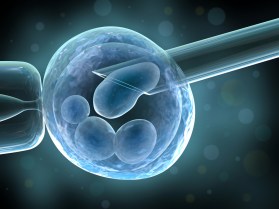 China isn’t the only country experimenting with human genetic engineering, and in the western world there is a lot of development in the field as well. In the United States, James Grifo has found a way to transfer cell nuclei from eggs of older women to younger ones with the aim of overcoming infertility. The infants that will be born, from these eggs, will genetically have three parents.
 R. E. KEARNEY