Blog

Is Aging Contagious?

Aging has long been considered a personal journey—an inevitable biological process shaped by genetics, lifestyle, and environment. But recent research suggests that aging may not be entirely solitary. In fact, it might be contagious.

A groundbreaking study published in the journal Metabolism by scientists from Korea University College of Medicine and collaborators in the U.S. has identified a molecular mechanism that allows aging signals to spread from cell to cell, like an infection. The culprit? A protein called HMGB1.

The Role of HMGB1: A Cellular Messenger

HMGB1 (High Mobility Group Box 1) is a DNA-binding protein typically found inside the nucleus, where it helps organize genetic material. However, when cells become stressed or enter a state known as senescence—where they stop dividing and begin deteriorating—they release HMGB1 into their surroundings.

Once outside the cell, HMGB1 behaves differently depending on its chemical state. The researchers discovered that the “reduced” form of HMGB1, which has been exposed to low oxygen levels, acts as a potent aging signal. When healthy cells encounter this reduced protein, they begin to show signs of aging: they stop dividing, express senescence markers, and release inflammatory molecules.

In contrast, the “oxidized” form of HMGB1, exposed to higher oxygen levels, does not trigger these aging effects. Cells exposed to oxidized HMGB1 remained healthy and continued to divide normally.

From Cells to Mice: Aging in Action

To test the theory beyond petri dishes, researchers injected reduced HMGB1 into young, healthy mice. Within a week, the mice began showing signs of premature aging, including increased inflammation and cellular senescence. Blood samples from elderly humans also revealed higher levels of reduced HMGB1 compared to younger individuals, suggesting a systemic spread of aging signals through the bloodstream.

This discovery challenges the traditional view of aging as a cell-autonomous process. Instead, it supports the idea that aging can propagate through tissues, potentially accelerating the decline of nearby healthy cells.

Implications for Anti-Aging Therapies

The study opens new avenues for therapeutic intervention. If aging can be spread via HMGB1, then blocking its reduced form—or the cellular receptors it binds to—could slow or even reverse age-related decline. Early experiments showed that inhibiting the pathways activated by reduced HMGB1 improved healing and physical performance in older animals.

Dr. Ok Hee Jeon, one of the lead researchers, emphasized the significance: “This study reveals that aging signals are not confined to individual cells, but can be systemically transmitted via the blood.”

What’s Next?

While the findings are preliminary, they offer a tantalizing glimpse into the interconnected nature of aging. Future research may explore how lifestyle factors, such as diet and oxygen exposure, influence HMGB1’s chemical state—and whether interventions can modulate its effects.

In the meantime, the idea that aging might be contagious adds a new layer of complexity to our understanding of longevity. It’s not just about how we age, but how our aging might affect others—cell by cell, molecule by molecule.

Are Human Brains Growing?

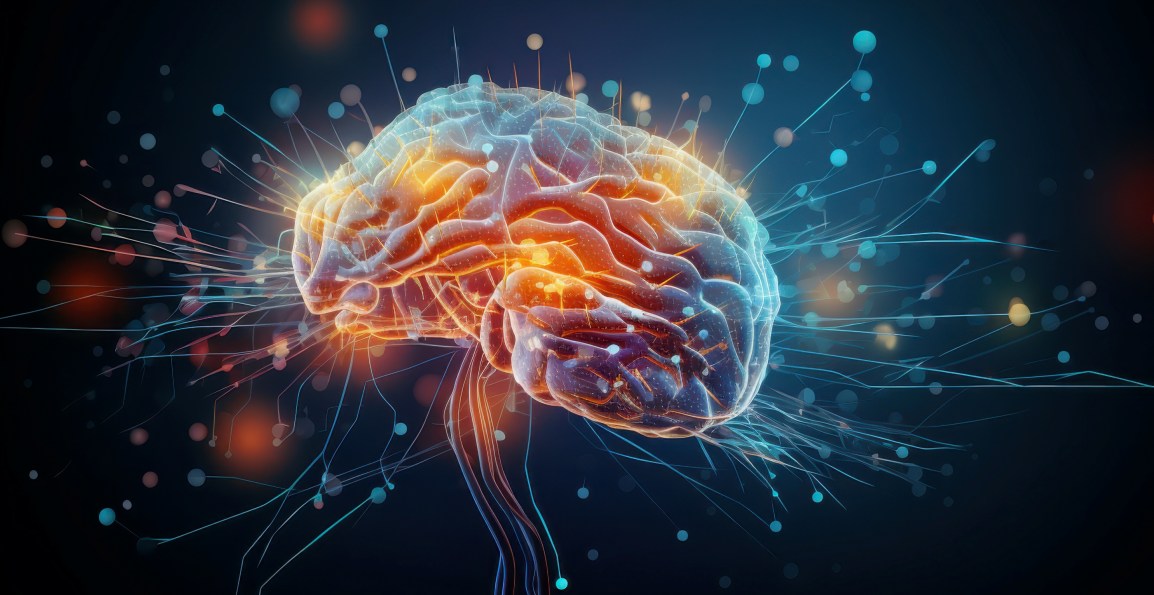
Recent studies have revealed a surprising trend: human brains are getting bigger. This discovery challenges long-held assumptions about brain evolution and opens new avenues for understanding cognitive development and neurological health.

The Evidence Behind Brain Growth

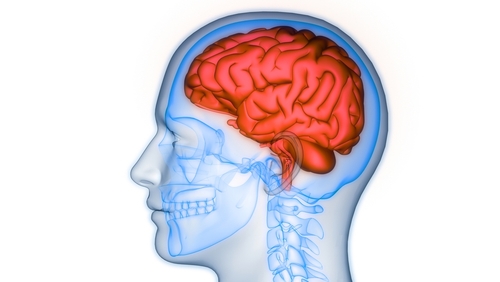
A landmark study from UC Davis Health examined brain MRIs of over 3,000 participants born between the 1930s and 1970s. The results were striking: individuals born in the 1970s had brain volumes that were 6.6% larger and cortical surface areas nearly 15% greater than those born in the 1930s. These increases were consistent across several brain structures, including white matter, gray matter, and the hippocampus—regions critical for learning, memory, and overall cognitive function.

Researchers attribute this growth to a combination of genetic and environmental factors. While genetics play a foundational role, improvements in healthcare, nutrition, education, and social conditions appear to have significantly influenced brain development across generations.

Evolutionary Insights

Complementing this generational data, a separate study led by researchers from the University of Reading, Oxford, and Durham analyzed fossil records spanning 7 million years. Their findings suggest that brain size in hominins increased gradually within species, rather than through sudden evolutionary leaps. This challenges the traditional view that major brain expansions occurred only during key evolutionary transitions.

Instead, the research points to a steady, incremental process—akin to a software update—where each species adapted over time, refining neural architecture and cognitive capacity. This gradualism underscores the complexity of evolutionary pressures and highlights how even small changes can accumulate into significant biological shifts.

Implications for Brain Health

One of the most promising aspects of this research is its potential link to dementia prevention. Larger brain structures may offer greater brain reserve, a concept referring to the brain’s ability to withstand age-related damage. As brain size increases, so does the capacity to buffer against diseases like Alzheimer’s.

Indeed, while the number of people living with dementia is rising due to aging populations, the incidence rate—the percentage of people affected—is actually declining. This suggests that improved brain health, possibly tied to increased brain size, is playing a protective role.

What This Means for the Future

These findings invite a re-evaluation of how we understand human development. They suggest that our brains are not static relics of evolution but dynamic organs shaped by both biology and environment. As we continue to improve living conditions and education worldwide, we may be nurturing not just healthier bodies—but more resilient, capable minds.

Whether this trend will continue into future generations remains to be seen. But for now, the evidence paints a hopeful picture: the human brain is still evolving, and it’s growing in ways that may help us meet the challenges of tomorrow.

Earth’s Ever-Changing Spin

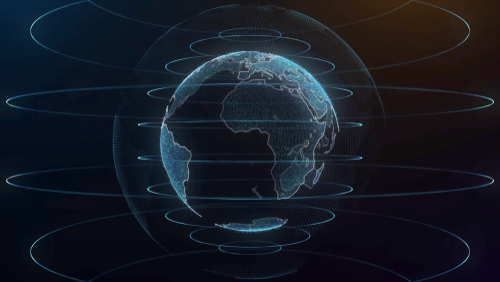
The Earth spins on its axis at roughly 1,670 kilometers per hour at the equator, completing one full rotation every 24 hours. This constant turning defines our day and night, but intriguing fluctuations in Earth’s rotational speed have puzzled scientists for decades. These variations—sometimes speeding up slightly, other times slowing down—aren’t just trivia for astronomers. They’re subtle fingerprints of powerful forces acting on our planet from within and beyond.

Why Earth Spins—and Why It Shouldn’t Be So Constant

The Earth’s rotation is a relic of its formation. Billions of years ago, colliding dust and gas formed our planet, and the conservation of angular momentum from that chaotic birth gave Earth its initial spin. With no friction in the vacuum of space, it would seem Earth’s rotation should remain unchanged—but our world isn’t isolated.

In reality, the rotation is affected by many internal and external forces, turning this steady spin into a cosmic balancing act.

The Braking Force of Tides

One of the most influential factors slowing down Earth’s rotation is tidal friction. The gravitational pull of the Moon and Sun on Earth’s oceans creates tides, which don’t perfectly align with the Moon’s position. These misalignments exert drag on the planet, acting as a brake.

Over millions of years, this friction has gradually extended our day length. In fact, fossil records suggest that during the Devonian period about 400 million years ago, a day lasted just over 21 hours.

Quakes, Glacial Melt, and Earth’s Inner Dynamics

Sometimes, Earth unexpectedly speeds up. Large-scale geological events can redistribute Earth’s mass and subtly tweak its spin. For example:

  • Major earthquakes—like the 2004 Sumatra-Andaman quake—shift enormous land masses, slightly altering Earth’s moment of inertia and causing microseconds of rotational speed increase.
  • Melting glaciers and polar ice from climate change push more water toward the equator. This redistribution can slow rotation, akin to a spinning skater stretching out their arms.
  • The core-mantle interaction—the swirling movement of Earth’s molten interior against its solid crust—can create rotational wobbles and long-term shifts known as “length-of-day” variations.

Atmospheric Winds and Seasonal Changes

Earth’s atmosphere also plays a surprising role. Powerful jet streams and El Niño events can transfer angular momentum between the air and the solid Earth. Think of it as invisible currents tugging at the surface. These effects are small, but measurable by atomic clocks and satellite laser ranging systems.

Why It Matters

Beyond curiosity, understanding Earth’s rotation has real-world implications. GPS satellites rely on precise timing derived from Earth’s spin; even microsecond shifts must be accounted for. Astronomers also use Earth’s rotation to align telescopes and predict celestial movements with accuracy.

These shifts remind us that Earth isn’t a static orb in space—it’s an active, responsive body engaged in a cosmic ballet with the Moon, the Sun, and its own restless interior.

Illuminating the Cosmic Dawn

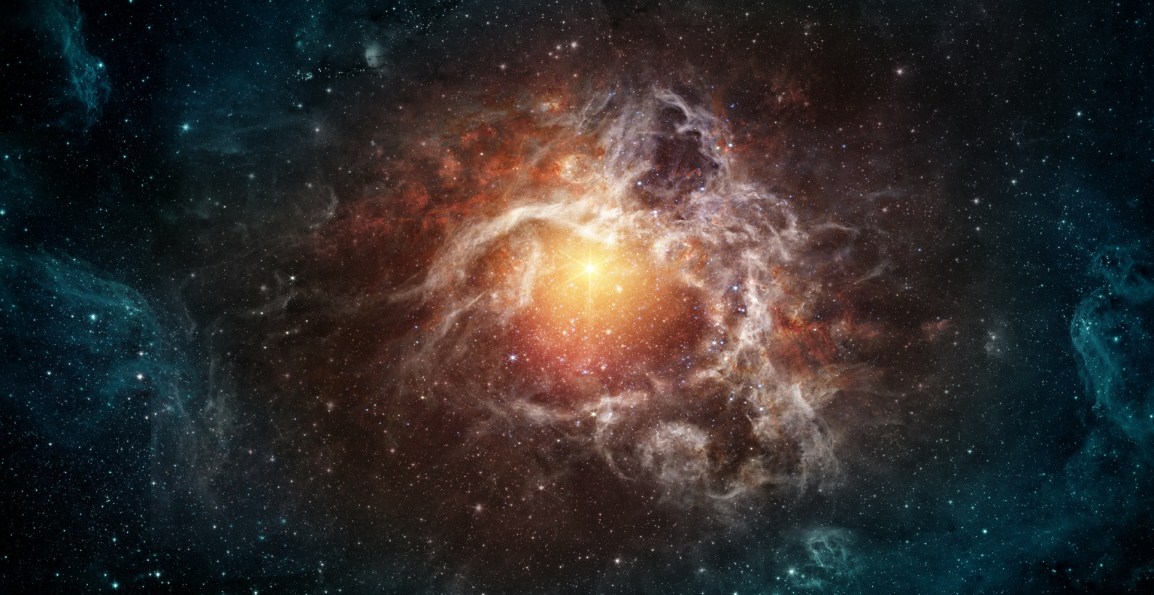
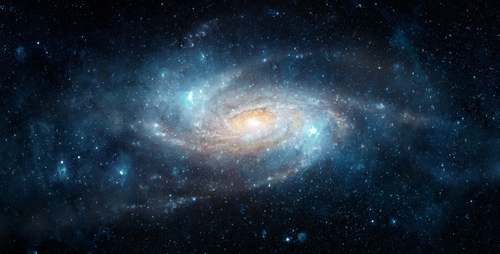
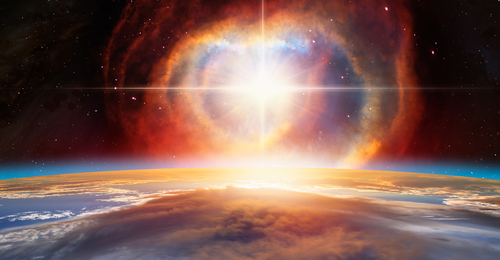
The “cosmic dawn” refers to a pivotal era in the history of the universe—the moment when the first stars and galaxies ignited, casting their light into a cosmos that had been dark since the Big Bang. Occurring roughly 100 to 400 million years after the universe’s birth, this epoch marked the end of the so-called “cosmic dark ages.” Although invisible to conventional telescopes, scientists can probe this ancient time through a unique and elusive fingerprint: the 21-centimeter hydrogen line.

The 21-centimeter line arises from a subtle energy transition in neutral hydrogen atoms, the universe’s most abundant element at the time. When the spins of the proton and electron in a hydrogen atom shift from parallel to antiparallel, the atom emits a photon with a wavelength of 21 centimeters. As these atoms were pervasive before and during the cosmic dawn, their signal offers a powerful tool to trace the distribution and state of matter across the early universe.

Crucially, this signal does not remain at 21 centimeters when observed today. Due to cosmic expansion, it is redshifted—stretched into longer wavelengths—allowing researchers to pinpoint the epoch from which it originated. By scanning different radio frequencies, astronomers effectively map a three-dimensional timeline of cosmic evolution, unlocking details about the formation of the first stars, galaxies, and black holes.

Detecting this faint signal is no small feat. It is buried beneath foreground radio noise from our galaxy and human-made sources by factors of over 10,000. Yet several ambitious projects aim to isolate it. Experiments like the EDGES (Experiment to Detect the Global Epoch of Reionization Signature) telescope have already provided tantalizing hints. In 2018, EDGES reported an unexpected absorption feature at 78 MHz (corresponding to a redshift of about 17), suggesting that hydrogen gas was cooler than predicted—or that some unknown physics, such as interactions with dark matter, could be at play.

This absorption indicates that the primordial hydrogen was absorbing background radiation, likely from the cosmic microwave background (CMB), before being heated by the first luminous objects. As stars formed, they emitted ultraviolet photons that ionized and warmed the surrounding hydrogen, gradually erasing the 21-centimeter signal in a process known as reionization.

Understanding the 21-centimeter signal offers more than just a glimpse into the universe’s earliest starlight—it provides a cosmic laboratory to test fundamental physics, constrain models of dark matter, and map the architecture of the infant cosmos. With next-generation observatories like the Square Kilometre Array (SKA) on the horizon, scientists are poised to turn these whispering hydrogen atoms into a detailed narrative of how structure first bloomed in the vast, silent void.

Extreme Nuclear Transients

Extreme nuclear transients are among the most enigmatic and energetic phenomena in astrophysics. These fleeting yet profoundly powerful events involve nuclear processes that release immense amounts of energy in short bursts, often leaving behind traces that challenge our understanding of fundamental physics.

Understanding Extreme Nuclear Transients

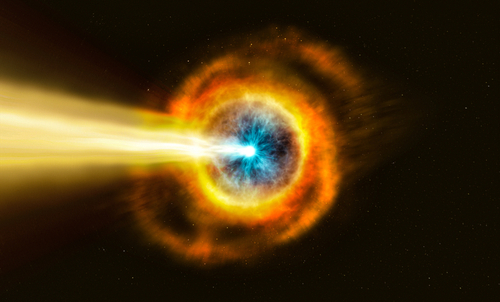
Extreme nuclear transients refer to highly energetic astrophysical occurrences where nuclear reactions—whether fusion or fission—occur under extreme conditions. These can manifest as sudden bursts of radiation, high-energy particles, or the rapid transformation of matter into exotic states. Some well-known examples include neutron star mergers, gamma-ray bursts (GRBs), and certain types of supernovae.

Unlike steady nuclear fusion in stars, which sustains energy production over millions to billions of years, these transients unleash their energy in a matter of seconds to minutes, often triggering secondary cosmic events. The study of extreme nuclear transients has implications for astrophysics, nuclear physics, and even cosmology, as they reveal details about the composition and evolution of matter in the universe.

Key Examples of Extreme Nuclear Transients

1. Gamma-Ray Bursts (GRBs) – GRBs are among the most extreme examples of nuclear transients. Originating from either the collapse of massive stars (long-duration GRBs) or the merger of compact objects like neutron stars (short-duration GRBs), these explosions release as much energy in mere seconds as the Sun would emit over its entire lifetime. The nuclear reactions involved create exotic elements and high-energy radiation detectable across vast cosmic distances.

2. Neutron Star Mergers – When two neutron stars spiral toward each other and collide, they create a brief but violent nuclear transient. This event produces gravitational waves—ripples in spacetime first detected in 2017—and extreme nuclear reactions. The aftermath of such mergers often includes kilonovae, where heavy elements like gold and platinum form through rapid neutron capture.

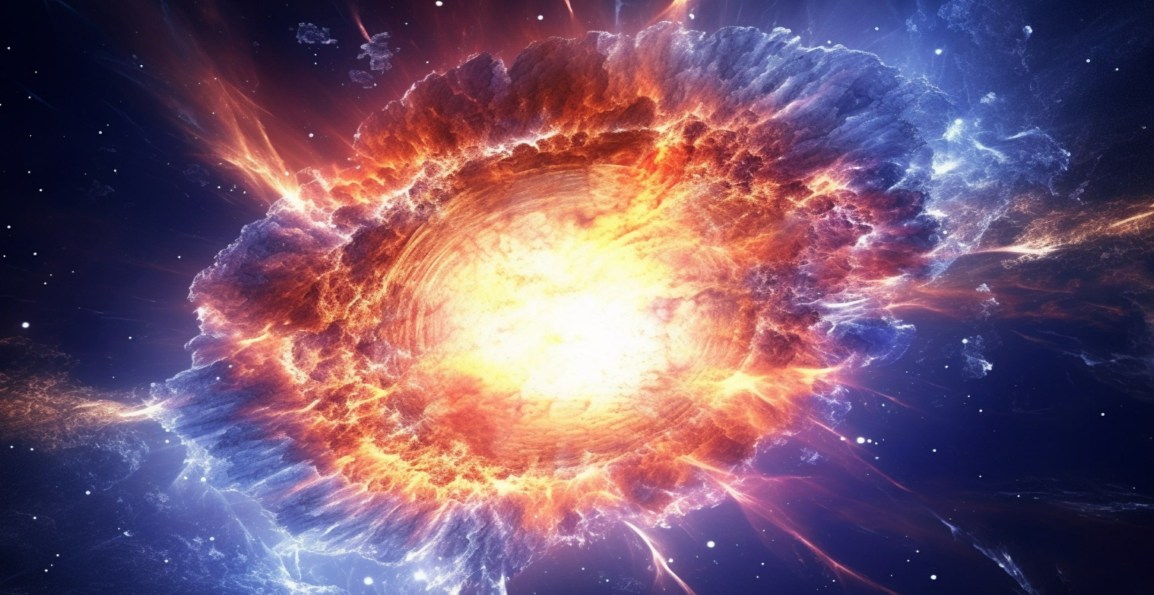
3. Pair-Instability Supernovae – Some of the most massive stars undergo a rare nuclear process called pair-instability, where high-energy gamma rays spontaneously create electron-positron pairs. This disrupts the star’s equilibrium, leading to a runaway nuclear reaction that results in a catastrophic explosion. Unlike typical supernovae, pair-instability events leave behind no remnant—just vast clouds of newly forged elements.

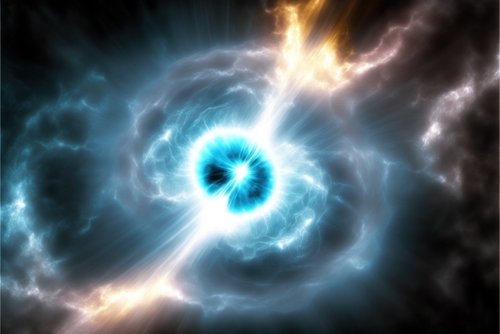
4. Magnetar Outbursts – Magnetars—neutron stars with ultra-powerful magnetic fields—occasionally undergo sudden magnetic reconnection events that trigger extreme nuclear reactions. These transients emit intense X-rays and gamma rays, sometimes causing observable disruptions in nearby astrophysical environments.

Implications for Science and Technology

Extreme nuclear transients provide unique opportunities to test theories of fundamental physics, including quantum mechanics and relativity. Studying them enables scientists to refine models of nuclear reactions in extreme environments, potentially leading to new insights into controlled fusion technology. Moreover, understanding these events enhances our ability to detect cosmic signals, such as gravitational waves and high-energy neutrinos, aiding the search for undiscovered physics.

As observational techniques improve, including deep-space telescopes and advanced detectors, we may uncover new types of nuclear transients that challenge our existing models. These phenomena remain at the frontier of astrophysics, offering a glimpse into the universe’s most violent and transformative moments.

Extreme nuclear transients serve as cosmic laboratories, revealing physics under conditions unattainable on Earth. By studying them, we inch closer to unlocking the mysteries of energy generation, matter formation, and the ultimate fate of the cosmos.

Hidden Dangers in Toothpaste

Toothpaste is a daily essential, trusted for its role in maintaining oral hygiene. However, concerns have emerged regarding the presence of harmful contaminants, including lead, fluoride in excessive amounts, and other toxic substances. Understanding these risks is crucial for consumers who prioritize health and safety in their personal care routines.

The Issue of Lead Contamination 

Lead exposure is widely recognized as hazardous, even at low levels. While lead is not an intentional ingredient in toothpaste, contamination can occur through tainted raw materials or inadequate manufacturing practices. Reports have surfaced about imported toothpaste containing unsafe levels of lead, often due to the inclusion of unregulated colorants or glycerin sourced from contaminated industrial suppliers. 

Lead exposure is particularly dangerous for children, as it can result in developmental delays, neurological damage, and other systemic health issues. In adults, prolonged exposure may lead to kidney damage, cardiovascular complications, and cognitive impairments. The presence of lead in oral care products is alarming because the mucous membranes in the mouth facilitate direct absorption into the bloodstream. 

Other Harmful Contaminants 

Beyond lead, other concerning substances have been identified in toothpaste formulations. 

Excessive Fluoride: While fluoride is added to toothpaste to strengthen enamel and prevent cavities, excessive exposure can lead to dental fluorosis (discoloration and brittleness of teeth) and skeletal fluorosis (bone damage). Some regions with high natural fluoride levels in drinking water already expose populations to significant fluoride intake, making fluoride-containing toothpaste potentially problematic. 

Triclosan: Once commonly used for its antibacterial properties, triclosan has been linked to endocrine disruption and increased antibiotic resistance. Many regulatory agencies have banned its use in hygiene products, but it may still be present in older formulations or specific international brands. 

Diethylene Glycol (DEG): Found in certain counterfeit or poorly regulated toothpaste brands, DEG is a toxic substance used as an industrial solvent. It can lead to kidney damage, liver toxicity, and neurological complications upon prolonged exposure. 

Artificial Dyes and Sweeteners: Synthetic dyes, such as FD&C Blue 1, have raised concerns due to potential allergic reactions and links to hyperactivity in children. Meanwhile, sweeteners like saccharin or sodium lauryl sulfate (SLS) can cause irritation, particularly in individuals prone to ulcers or gum sensitivities. 

How to Choose a Safe Toothpaste 

Consumers can take proactive steps to ensure their toothpaste is free from harmful contaminants: 

Check for Regulatory Approval: Look for certifications from reputable health organizations or regulatory bodies such as the FDA, European Medicines Agency (EMA), or other national agencies. 

Read Ingredient Lists Carefully: Avoid products with vague ingredient disclosures or those containing known harmful substances. 

Prefer Natural Formulations: Brands emphasizing natural ingredients without artificial dyes, preservatives, or triclosan may offer a safer alternative. 

Watch for Recalls and Warnings: Stay informed about product recalls and health advisories regarding contaminated toothpaste brands, particularly when purchasing imported or discounted products. 

Conclusion 

While toothpaste is meant to promote dental health, certain formulations may pose hidden dangers. Awareness of contaminants such as lead, triclosan, and excess fluoride empowers consumers to make safer choices. By scrutinizing ingredient lists and opting for well-regulated products, individuals can maintain good oral hygiene without compromising their long-term health.