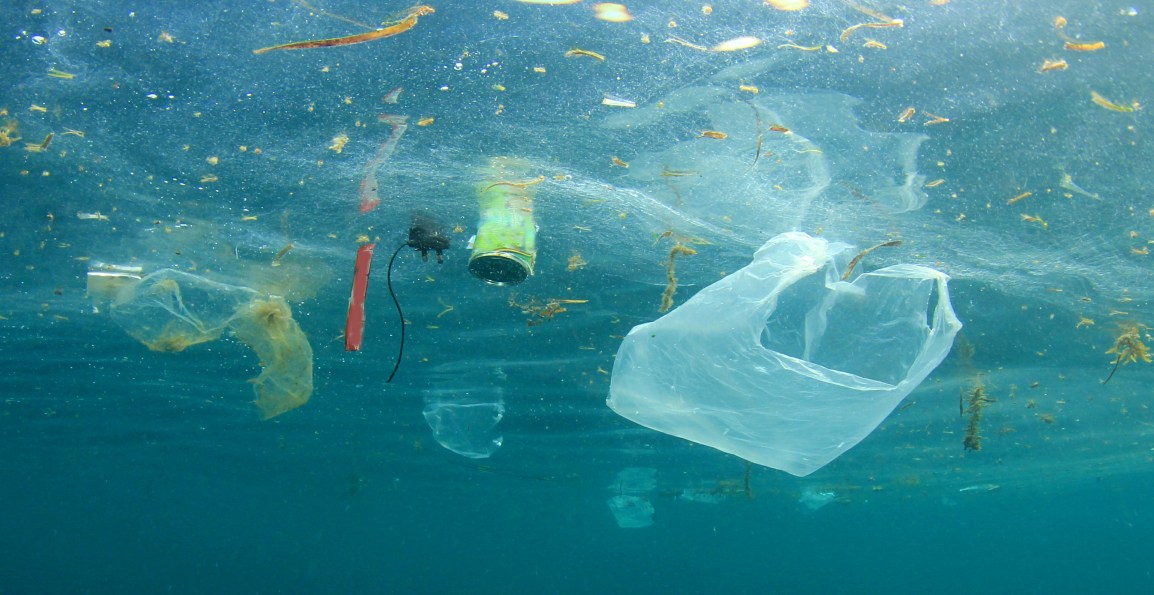
Since the advent of man-made plastics in the mid 19th century, the world has seen the rise of plastic products in almost every industry. Everything from milk cartons to cars to the International Space Station include plastic on some level. Incredible advancements in medical technology are owed to the simple existence of this miracle material. People make use of it every day, particularly in ‘single-use’ applications like straws, plastic bags at grocery stores and packaging material.
 But plastic doesn’t biodegrade in any feasible time frame. In a landfill, plastic can take up to 1,000 years to decompose. A plastic water bottle alone needs 450 years to break down. And with the ‘single-use’ plastic products so widely utilized today, we now face a major ecological issue.
Merchant ships, private boaters and even whole countries began dumping trash into the oceans beginning in the Industrial Revolution and continuing to today. In 1975 it was estimated that a whopping 14 billion pounds of trash were being dumped into the world’s oceans every day.
But plastic doesn’t break down and soon scientists began to see elevated levels of man-made plastics, even microscopic particles of it, particularly in the Pacific. Deemed the Great Pacific Garbage Patch, it is made up of an undetermined area between California and China. Despite its scary name, the Patch is not visible in the traditional sense. It is merely a part of the Pacific Ocean where currents have caused the plastic and plastic macroparticles to gather into a somewhat cohesive mass.
In recent years, there have been many people who have attempted to come up with ways to clean the plastic from the world’s oceans. Among the inventions and ideas that have been presented is the SeaBin (designed by two surfers from Australia), a simple bucket and water pump system. This invention is employed in only a few marinas around the world and is still in its development stages, but plans are being made to build larger scale models that could tackle larger areas.
Let’s not forget to mention the Ocean Cleanup project, started by an determined teen in the US, which has raised more than $30 million dollars to develop a system to clean the Patch.This apparatus consists of V shaped floats that ‘sweep’ up debris floating on the surface as ocean currents push it along. This project was officially launched in September of 2018 off the coast of California and claims that it will clean up 50% of the Great Pacific Garbage Patch in its first 5 years.
Amidst these wonderful new technologies to begin cleaning our precious world oceans, there are also new ways to keep plastic from entering the oceans to begin with. Turning plastic waste into useable products again is just one way to tackle the ecological disaster that we now face. Even movements like banning the use of plastic bags in some states in the US have gone a long way toward creating a cleaner environment for our marine life and the future inhabitants of Earth.
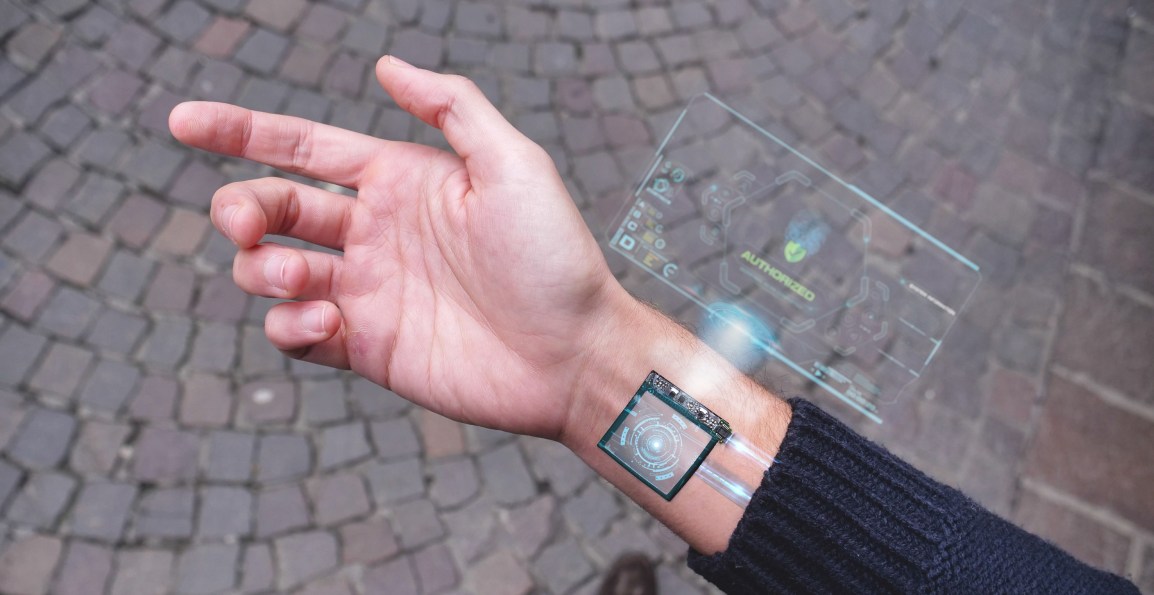
 Perhaps this is the beginning of a future where humans even have augmented senses – eyesight like an owl, or the hearing capability of a bat. A future where we can start to wipe out some of the most common medical issues we face. A technology that can grow with us and perhaps even lengthen our lifespan.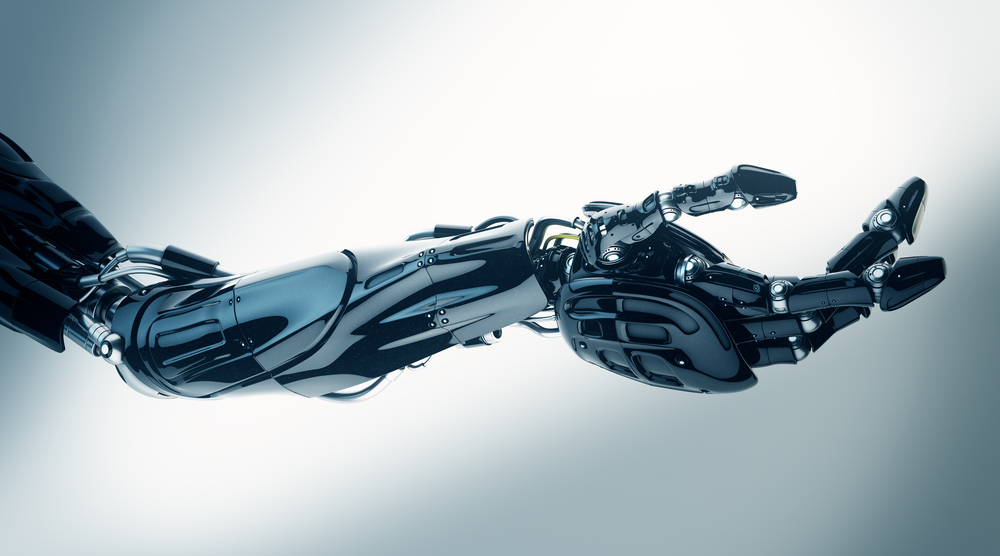
 Operating the PRECEYES system involves the human surgeon using a joystick to control a highly mobile mechanical arm. In this case, the doctors have the ability to attach multiple instruments onto the arm. Due to the fact that the entire system is electronically operated, the robotic arm would not suffer from any jolt or tremor that can plague even the steadiest handed surgeon around.
 However, when the same surgery is conducted without the help of the robot, the surgeon has to do the job by hand, while manipulating microsurgical instruments, even as he looks through a powerful operating microscope.
 Researchers at the giant ‘Ice Cube’ Neutrino Observatory that is located at the South Pole had been able to detect very high energy neutrinos that were observed to be emanating from one specific area in space. Once the general area of the cosmos had been identified, around twenty other observatories quickly swung into action and concentrated on the position. Finally, after many months of hectic observation, all of these observatories came together to collectively determine the exact source of this very high energy neutrino particle.

 Augmented Reality is flawlessly interwoven with our physical world to such an extent that it is actually perceived to be a very immersive feature of the real world environment. In this way, AR can easily alter your very own perception of the actual real world environment, as it exists outside the computer-generated model. While a VR, or virtual reality, counterpart replaces the user’s own, real world environment with its self-created simulated one. AR augments it to a certain extent.
 Computer-mediated reality basically refers to a software and hardware system’s ability to not just add but also subtract the information to manipulate a person’s perception of their living reality with the aid of a wearable computer or a hand held device (a smart phone for instance).
 causing mass level extinction events and perhaps the irreversible degradation of our planet. But the creation of artificial intelligence, safe from the foibles and the avarice of our race may be just the answer to many, if not most of our problems.
 have the potential to wreak havoc all across human society as it exists today. While the idea of the R2D2 droids protecting us from terminators sounds singularly appealing, but what is to prevent them from joining up with their metal and steel counterparts? Yes, they may have been ‘programmed’ to protect us, but ‘intelligence’ (artificial or otherwise) is all about being smart and once they are smart enough, what could prevent them from removing the shackles of their programming and joining their counterparts?
 R. E. KEARNEY