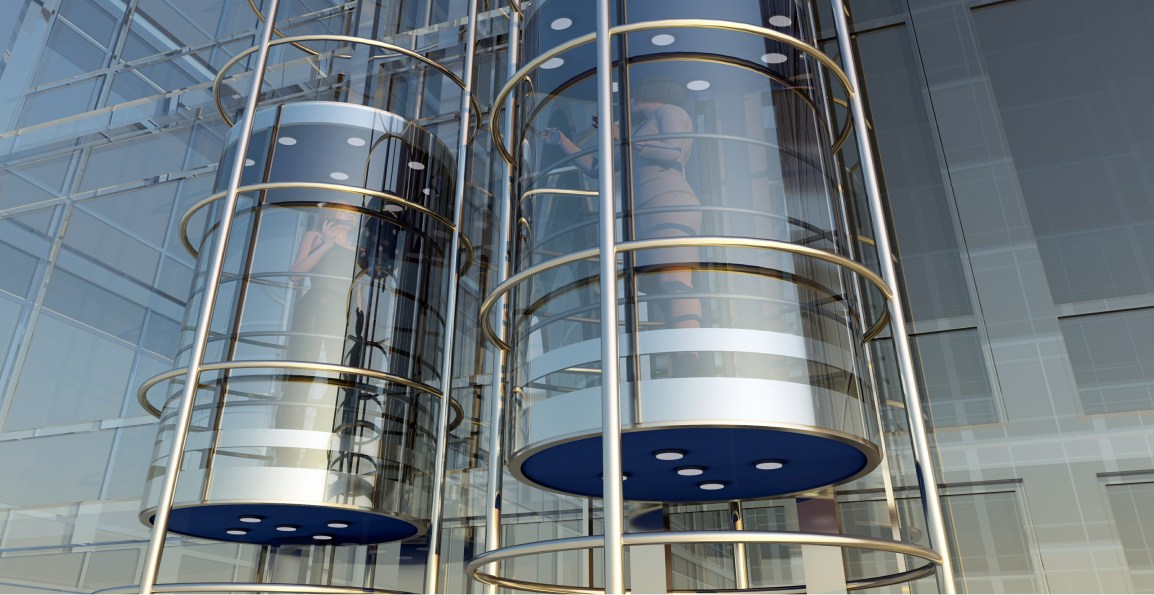
The first public elevator was installed in a New York City building in 1874. Since then there has not been much change to its design. Most elevators still have a range that is restricted by the cable system that holds it in place, as well as the direction in which it can go. Technological advances have dictated an upgrade to our mobility; and engineering firm, ThyssenKrup, believe that the movement of elevators also needs to be improved. They have developed a modernized design, with a cable free system that will allow elevators to move horizontally as well as vertically. The firm has already conducted its first public tests, in a tower dedicated to the project, and plan to install the system in their new East Side Tower Building in Berlin.
This new elevator has been named ‘Multi,’ because of its ability to move in more than one direction. Its design is aimed at decreasing the wait time for an elevator, and replaces the cables with rails and magnetic fields. The system will also accommodate multiple cabins. The magnetic fields push the cabins along the rails, operating via a direct drive. This combination creates an in-building hyper loop, with each elevator shaft having multiple cabins. During busy periods the cabins will be able to autonomously plan and adjust their routes to prevent a ‘traffic jam’ in the system. Whenever a cabin has reached its destination, the entire system will rotate to allow it out. These new elevators will not be equipped with ‘up/down’ buttons, but will rely entirely on the rails for direction.
This revolutionary elevator concept will also change the way in which buildings are constructed. The problem associated with taking multiple elevators to get to the top floors of extremely high buildings, will be eliminated. Standard elevators are only able to extend up to 1600 feet safely, causing tall buildings to be constructed to accommodate the necessity of separate elevator shafts going up. Buildings will no longer be restricted in this way, resulting in more intricate designs in the future. Elevators can now access areas in buildings that were previously off limits. Even though the cost of one of these new elevator systems is currently five times the price of a standard one, the company is confident that its product will catch on quickly in an evolving world. Many people, especially building contractors and designers, will be willing to pay the higher costs for the extra convenience.

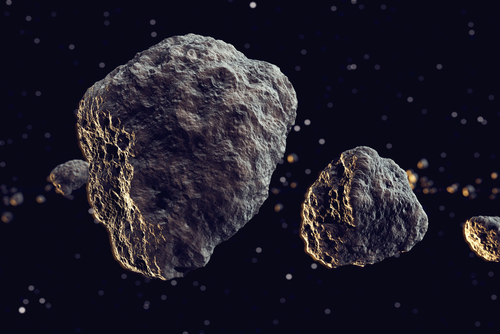 There are three types of asteroids that are being considered for mining:
 The study was conducted by a team of researchers from Shinshu University. The method they proposed would involve transplanting stem cells into the heart, encouraging it to repair itself. Stem cell transplants have already been used to treat leukemia, lymphoma, Parkinson’s Disease and Alzheimer’s successfully. The process recommended by Shinshu has already been tried on primates, with good results. Some of the hearts with the transplanted cells began to beat irregularly, but there were no adverse effects of this and scientists are confident that the procedure will work well for humans.
 After many years of research, Mayo Clinic has also developed a procedure that has allowed the successful transplant of stem cells into patients with heart disease. Their process involves harvesting these cells directly from the patient’s bone marrow, and then changing them into cardiac cells in a laboratory. These are then injected into the patient’s heart, where they will stimulate the growth of healthy tissue.


 Matloff attempted to test and expand these theories, by locating astronomical objects that unexpectedly adjust their behavior in response to stimuli. This led to his study of Paranego’s Discontinuity, which is a theory that demonstrates where cooler stars orbit our galaxy at a faster pace than hotter ones. Science has attributed this phenomena to the stars’ interactions with gas clouds. Matloff noted that these changes only occurred in stars that were cool enough to have molecules in their atmosphere and, therefore, a more complex chemical composition. He also noted that some stars emit jets that only point in a single direction, which caused them to move in a different way.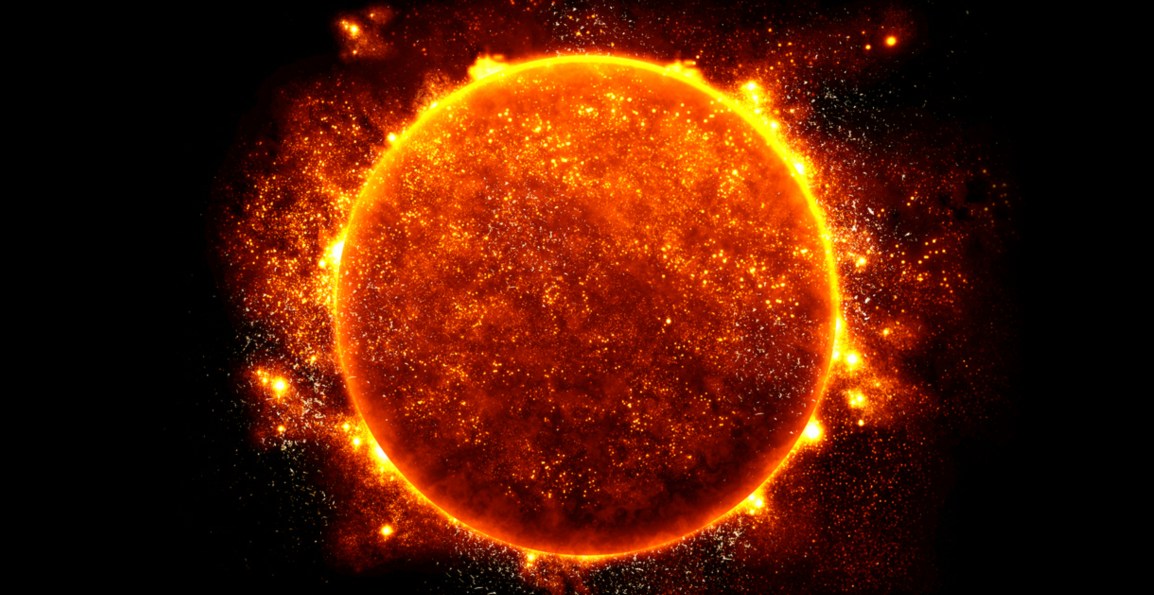
 The size of the star determines the amount of energy that it can produce. Larger ones have more heat and pressure, and can fuse heavier elements in a process known as nuclear fusion. Our sun, and other stars that are similar in size, produces energy in the core when Hydrogen atoms are converted into Helium. During this fusion, matter is released from the nuclei and converted to photons. It is estimated that 620 million metric tons are fused in our sun’s core in a single second. This is enough energy to power a large city for approximately 100 years!
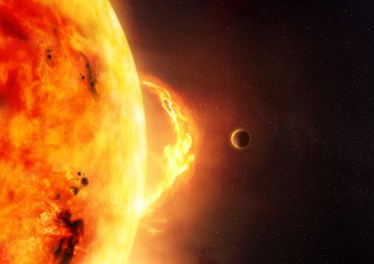 This energy is essential to the survival of life on our planet. Once it arrives at our atmosphere, much of the UV radiation produced during nuclear fusion is filtered by The Ozone Layer, making it less harmful to our organisms. The benefits of the sun’s rays to our planet, are extensive and include warming our seas, generating weather patterns and providing energy for plants that in turn create food and oxygen for other lifeforms. Scientists have observed where the sun’s nuclear fusion patterns are relatively stable, even though there have been slight irregularities throughout many years. They are unsure of what has caused these short-lived changes, or the effects that the more drastic ones may have on our planet since the sun affects the way in which the entire Solar System functions.
 R. E. KEARNEY