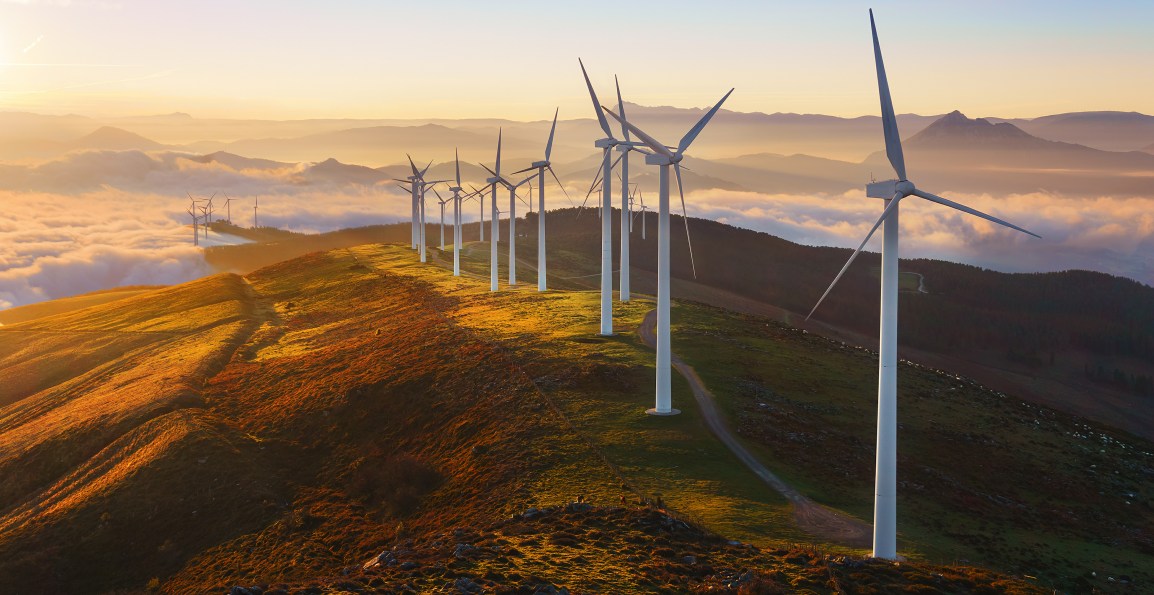
In 1888, Charles F. Bush invented the first electricity-generating wind turbine in Cleveland, Ohio. It had a diameter of 17 metres and was able to generate 12 kW of power. Wind turbines have evolved significantly since, and the Wind Engineering Section of Kushu University, in Japan, has found a way to potentially triple their energy output. One of the aims is to make wind energy cheaper than both coal and nuclear power in the country, and eventually the world.
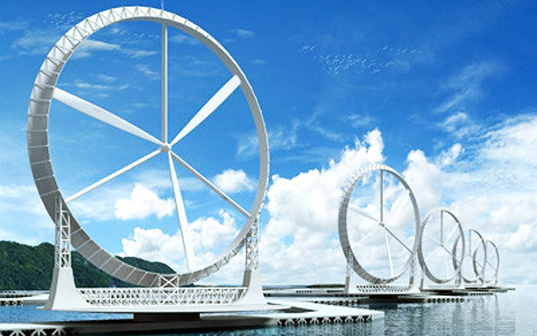 During the Yokohama Renewable Energy International Exhibition 2010, they unveiled the new design, which works by putting a wind lens around the turbine blades. This also makes it possible to increase their safety levels, as well as decrease the unbearable noise usually associated with wind turbines. The wind lens is a brim that surrounds the inside of the blades and diverts the air from the exhaust outflow, which is located behind them. The turbulence then creates a low pressure zone behind the turbine, which causes more wind to pass through it. The blade rotation increases and subsequently the energy output. The engineers believe that each lens would be able to provide enough energy for an average household.
The proposed end structure would be similar in shape to a giant honeycomb, but the Wind Engineering Section of the University finds it challenging to apply these lenses to larger sized turbines. To test the theory they constructed two wind turbines on the campus, which are each 34m high and able to generate 100kW of power. They will use these models to figure out ways to apply the technology to larger turbines in the future. Each turbine also has a rotor which spans 12.8m and a diffuser with a diameter of 15.4 m.
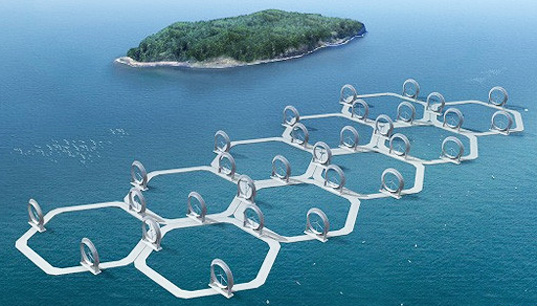 These wind turbines are being monitored as part of their larger project to build an offshore energy farm. The wind turbines will be mounted on a hexagonal shaped base, which is low in cost but sufficiently sturdy to withstand the marine conditions. Placing these in coastal areas will take advantage of the sea breezes, and reveal the probability of them being a main source of power for the country. The bases also make it possible to link other turbines together and create larger platforms.
The technology has already been applied to smaller units, averaging between 3 and 5 kW of output, which are being used by businesses to increase their energy while lowering the costs. Kushu University believes that the design will extend worldwide after the field tests prove that it is a much more efficient energy source. This would be good for both the countries involved and the world in general as this clean energy source would significantly decrease atmospheric pollution.
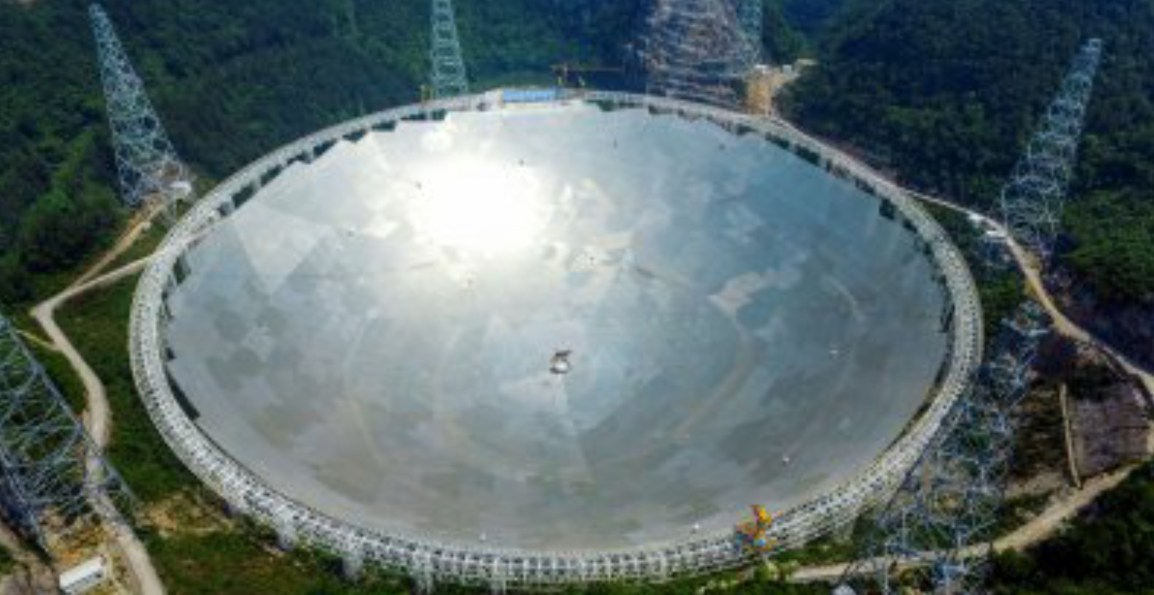
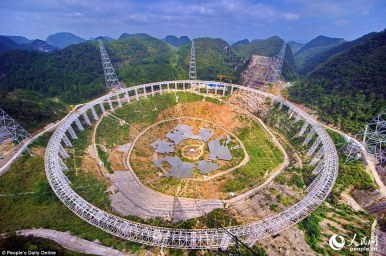 Many of the countries of the world are experimenting with different ways to find out more about the Universe, especially the possibility of finding intelligent life outside of our planet. China has been a large contributor to this extra-terrestrial search, and the country has recently unveiled their next step in learning more about the infinite nature of the Universe. They have done this by launching a 500m Aperture Spherical Telescope (FAST), which has now become the largest in the world. Approximately the size of 30 football fields, FAST took five years to be built and launched. The single dish telescope has been nicknamed the Tianyan, or Eye of Heaven, because it is expected to be able to capture a great deal more of what happens outside of our atmosphere than we have previously been aware of.
 1. Uber
 2. Nutonomy
 Amazon’s Delivery Drone
 The possibilities of space exploration would become unlimited with the use of the EM drive, which would be able to transport humans to Mars in 70 days (presently it takes between 150 and 300). It is rumoured that the years of research into the possibility of sending one into space has now been peer approved, and papers regarding the device are expected to be published shortly. In addition, Guida Fetta has designed a rocket engine based on the original concept of Shawyer’s EM drive and plans to launch it on a miniature satellite within a few months. His team of scientists will let it remain in orbit for at least six months to prove that the drive will continue to work over an extended period of time.
 R. E. KEARNEY