Blog

Fusion Power: The Future of Home Energy?

Imagine a world where you can power your home with the same energy source that fuels the Sun. A world where you don’t have to worry about greenhouse gas emissions, radioactive waste, or energy shortages. A world where you can enjoy clean, abundant, and affordable electricity for generations to come. Sounds too good to be true, right? Well, this is the vision of fusion power, one of the most ambitious and promising scientific endeavors of our time.

Fusion power is the process of generating electricity from the energy released by nuclear fusion reactions. Nuclear fusion is the process of combining two light atomic nuclei, such as hydrogen isotopes, into a heavier nucleus, such as helium, while converting some mass into energy. This is the opposite of nuclear fission, which is the process of splitting a heavy nucleus, such as uranium, into lighter nuclei, while releasing energy. Fusion power has several advantages over fission power, such as:

– Fusion power does not produce any long-lived radioactive waste, as the fusion products are stable or have short half-lives. Fission power, on the other hand, produces tons of highly radioactive waste that need to be stored and managed for thousands of years.

– Fusion power does not emit any greenhouse gases, such as carbon dioxide, that contribute to global warming and climate change. Fission power, while being carbon-free, still requires mining and processing of uranium, which can have environmental impacts.

– Fusion power uses abundant and widely available fuel sources, such as deuterium and tritium, which can be extracted from seawater and lithium, respectively. Fission power relies on scarce and finite resources, such as uranium and plutonium, which are subject to geopolitical and economic fluctuations.

– Fusion power is inherently safe, as the fusion reactions are self-limiting and can be easily stopped by cutting off the fuel supply. Fission power, however, poses the risk of nuclear meltdowns, explosions, and proliferation of nuclear weapons.

So, how can fusion power be harnessed to power our homes in the future? The main challenge is to create and sustain the extreme conditions required for fusion reactions to occur. These conditions include temperatures of over 100 million°C, pressures of over 100 million atmospheres, and confinement times of over 1 second. To achieve these conditions, scientists and engineers have developed various types of fusion reactors, such as:

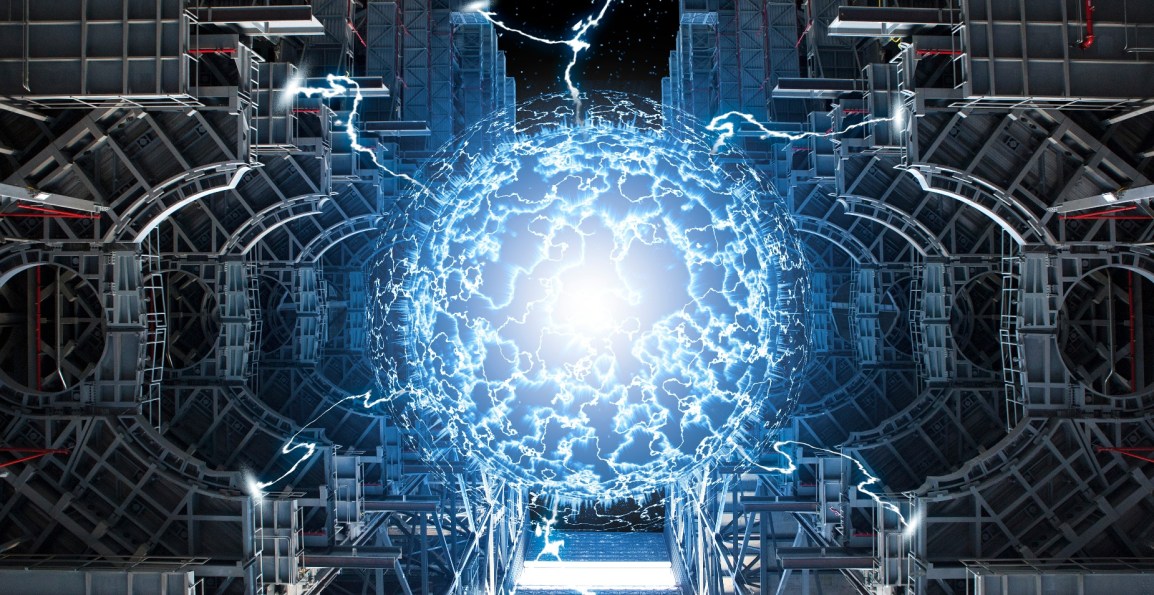
– Tokamaks: These are doughnut-shaped devices that use powerful magnetic fields to confine and heat a plasma (a gas of charged particles) of deuterium and tritium. The most advanced tokamak in the world is the International Thermonuclear Experimental Reactor (ITER), which is being built in France and is expected to produce 500 MW of fusion power by 2035.

– Stellarators: These are similar to tokamaks, but have more complex and twisted shapes that are designed to improve the stability and efficiency of the plasma. The most advanced stellarator in the world is the Wendelstein 7-X, which is located in Germany and is expected to achieve sustained fusion reactions by 2025.

– Inertial confinement fusion (ICF): This is a method of using powerful lasers or particle beams to compress and heat a tiny pellet of deuterium and tritium to the point of fusion. The most advanced ICF facility in the world is the National Ignition Facility (NIF), which is located in the US and is expected to achieve ignition (the point where the fusion energy exceeds the input energy) by 2024.

Recently, a Tokamak in the UK produced 69 megajoules from just 0.2milligrams of fuel – enough to power 12,000 homes.

Fusion power is not a fantasy, but a reality that is within our reach. With continued research and development, fusion power could become a viable and sustainable option for home energy in the near future. Fusion power could revolutionize the way we produce and consume electricity, and transform our society for the better. Fusion power is the future of home energy, and the future is now.

Cats and Mental Illness

A new study by scientists in Australia has once again confirmed the link between living with cats and developing mental illness, including Schizophrenia, due to a parasite found in cat feces called Toxoplasma gondii.

Cats are the only animals where the parasite can sexually reproduce and produce eggs called oocysts. The oocysts are shed in the cat’s feces and can contaminate the soil, water, or food and effect any warm-blooded animal, including humans, particularly when handling cat litter.

Most people who get infected with Toxoplasma gondii do not have any symptoms and are not aware of their infection. However, some people may experience flu-like symptoms such as fever, headache, sore throat, muscle pain, swollen glands, and fatigue. In some cases, toxoplasmosis can cause serious problems, causing damage to the brain, eyes, heart, lungs, or other organs. This can lead to symptoms such as confusion, seizures, blurred vision, difficulty breathing, chest pain, or coma.

Incredibly, Toxoplasma gondii is not only a parasite, but also a manipulator. It has the ability to alter the behavior of its hosts in ways that increase its chances of completing its life cycle. For example, it can make rodents lose their fear of cats and even become attracted to their smell. This makes them more likely to be eaten by cats, which allows the parasite to return to its definitive host and reproduce. This phenomenon is called fatal attraction, and it is thought to be caused by the parasite’s influence on the brain chemistry of the rodents, especially the regions that control fear, anxiety, and reward.

But what about humans? Can Toxoplasma gondii manipulate our behavior and personality too? Some studies have suggested that people who are infected with Toxoplasma gondii may have subtle changes in their mental health, cognition, and personality. For instance, some studies have found associations between Toxoplasma gondii infection and increased risk of schizophrenia, bipolar disorder, suicide, aggression, impulsivity, and neuroticism. Other studies have found correlations between Toxoplasma gondii infection and decreased reaction time, memory, attention, and intelligence. Some studies have even reported gender-specific effects, such as increased masculinity in men and increased femininity in women.

More research is needed to determine the exact mechanisms and effects of Toxoplasma gondii infection on human behavior and personality. It is also important to remember that Toxoplasma gondii infection does not necessarily mean that one will develop any symptoms or problems, and that most people who are infected are healthy and normal. However, it is still advisable to take precautions to prevent or treat toxoplasmosis, especially for people who are at high risk of complications.

Smoking and Brain Damage

It’s long been known that the effects of smoking can be very harmful to your health. People who smoke cigarettes are at a higher risk of developing cancers, particularly lung cancer, but now scientists have also added dementia and Alzheimer’s disease to the long list of ailments.

“It is known that there are associations between smoking behavior and lower total brain volume and gray and white matter volumes,” reports the study in the Biological Psychiatry journal. “However, a significant question remains about whether these associations represent predisposing features for the risk of developing cigarette smoking or are consequences of cigarette smoking.”

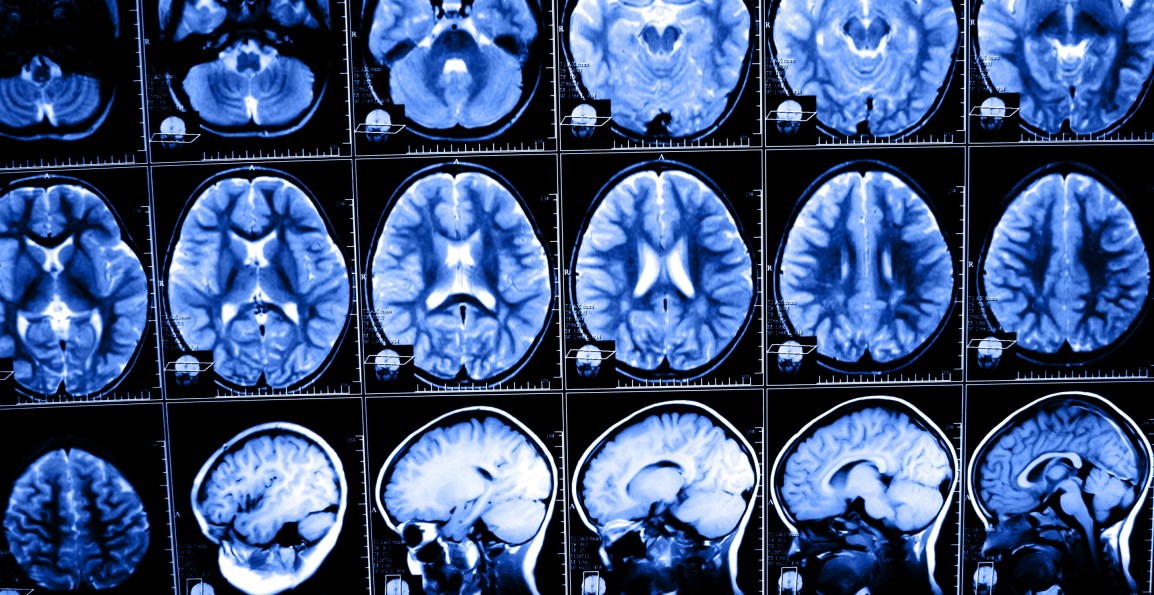
As a result of analyzing data on brain scans and genetic risk factors they concluded that daily smoking led to smaller brains, and that the decrease in brain matter loss is directly related to the volume of smoking – i.e. heavy smokers had greater brain matter loss. And worse still – the more years someone smokes the more brain volume is lost forever.

“You can’t undo the damage that has already been done, but you can avoid causing further damage,” said Yoonhoo Chang, one of the authors of the study. “Smoking is a modifiable risk factor. There’s one thing you can change to stop aging your brain and putting yourself at increased risk of dementia, and that’s to quit smoking.”

When you add in the fact that brains naturally shrink over time, a smoker’s brain prematurely ages, increasing the risk of dementia and Alzheimer’s. After looking at the data, the researchers of the paper estimate that a massive 14% of all global Alzheimer’s cases could be caused by cigarette smoking.

This research supports the evidence by a group of geneticists in Denmark’s Aarhus University who found clear data that smoking actually lead to mental disorders. What had been unclear up to then was whether smoking caused the mental illness or whether people smoked because they already had a mental illness.

However, the Danish researchers also suggested an additional piece of information. Most of the smokers they looked at carried a “smoking-related gene” which seems to make certain people more predisposed to smoking, who then also develop mental illness. Meaning, some people are genetically more likely to smoke than others.

“The people in the data set who carried the smoking-related genes but did not smoke were less likely to develop mental disorders compared to those who carried the genes and smoked. Because the genetic variants also seem to be linked with the risk of mental illness, this used to be a bit blurry. But in this study, we demonstrate that it’s probable that the risk of starting to smoke causes the risk of developing mental disorders to increase due to the ‘smoking-related genes.’”

Whatever the reason to start smoking, there are many more reasons to stop smoking as soon as possible.

Humanoid Robot Factory

A factory that aims to create 10,000 robots per year that can walk and work for companies like Amazon will soon be opening in the Pacific Northwest. Agility Robotics plans to move from its current factory in Oregon to a new, much larger, plant in Salem. Dubbed the “RoboFab” plant, Agility Robotics will become one of the largest producers of robotics in the United States.

“We’ve placed a very high priority on just getting robots out there as fast as possible,” Agility Robotics CEO Damion Shelton explained. “Our big plan is that we want to get to general-purpose humanoids as soon as we can.”

Amazon is currently testing Agility Robotics “Digit” model in its factories. Agility is part of the Amazon Industrial Innovation Fund and has been developing Digit for several years. Digit is a human-centric, multi purpose robot created for logistics work. It can handle items and is similar in size to its human colleagues. Initially its role will be to complete the monotonous and highly repetitive process of picking up and moving empty totes, and not (currently) to replace the Amazon workforce.

“Digit’s size and shape are well-suited for buildings that are designed for humans, and we believe that there is a big opportunity to scale a mobile manipulator solution,” said Emily Vetterick, Amazon Director of Engineering. “Collaborative robotics solutions like Digit support workplace safety and help Amazon deliver to customers faster, while creating new opportunities and career paths for our employees.”

To date, Agility has only produced 100 robots, but the move to the new RoboFab plant will enable the company to fill the growing backlog for Digit and scale up production dramatically.

Where this will leave human workers as the development of humanoids increases, we don’t know, although Amazon has attempted to comfort workers by claiming that the 750,000 robots it uses, generated 700 new jobs for humans.

On the other side of the world China is also encouraging its private sector to rapidly increase facilities and output of humanoid robots to become the world leader by 2027. The Ministry of Industry and Information Technology released the following statement asking the manufacturing sector to “establish a humanoid robot innovation system, make breakthroughs in several key technologies and ensure the safe and effective supply of core components by 2025, and to become the global leader in the tech by 2027.”

In addition it requested development of the “brain,” “cerebellum,” and “limbs” of humanoid robots aided by Artificial Intelligence capabilities, that could be used in “harsh” or dangerous conditions, not just as support in factories.

The mass production of humanoids is bringing the age of the robot closer, and as their uses become more obvious in areas outside of the factory, could the human race eventually become unemployed? Could it become threatened by a humanoid military, particularly if AI is built into it?

Biological Robots

Progress has an uncanny way of sounding like a science fiction movie. Never more so when it comes to the development of robots, particularly ones which can interact with humans, as well as look and move like humans. But the idea that a robot could potentially be actually “made from” living human cells has taken a giant leap forward by a team of scientists recently.

In a study, scientists have shown that tiny engineered robots made from human cells, called Anthrobots, can help heal wounds and treat disease, and had even managed to regrow damaged neurons.

This might sound extraordinary, but so far the Anthrobots have only managed to achieve this inside a petri dish in a laboratory, rather than inside a living human being. But, it’s a giant leap forward for human/robot augmentation and creating a human with improved healing capabilities.

Researchers used the cells from an adult human trachea. The arrangement of these cells appears to be ideal for forming multi-cellular growths. In the laboratory the cells were encouraged to form these growths, called organoids, with hairy filaments facing outside. Using the filaments the growths were able to successfully move around. Not only was movement observed, but so was growth.

“Anthrobots self-assemble in the lab dish,” explained co-author Gizem Gumuskaya, a synthetic biologist at Tufts University.

Previous research by some of the same team took stem cells from frogs to create the first biological robot called a Xenobot. But this new version uses regular human cells, which ultimately reduces the risk of a host body identifying the Anthrobot as foreign tissue and rejecting it. “Unlike Xenobots, Anthrobots don’t require tweezers or scalpels to give them shape, and we can use adult cells — even cells from elderly patients — instead of embryonic cells,” added Gumuskaya.

“Some people thought that the features of the Xenobots relied a lot on the fact that they are embryonic and amphibian,” explained co-author Michael Levin. “I think this is a much more general property of living things.”

To test the new Anthrobots the team took human neurons and made small incisions in them to replicate a wound or damage. Clusters of Anthrobots were then placed near to the neurons and incredibly they were seen to be helping the neurons to regrow without any genetic engineering or programming. So far the research team is unsure why they do this, but have speculated that there is some form of communication between the cells and that the cells have a natural programming that instructs them to perform biological functions.

At the moment the Anthrobots can only survive in the lab and biodegrade within 60 days. They also can’t reproduce and spread uncontrollably. However, the hope one day, is to successfully transplant these Anthrobots into a human body, opening the door for a new form of medical treatment, and possibly a new variation of the human race.

Fungal Takeover

Life has a surprising way of managing to survive, whatever the conditions or obstacles that are placed in its way. Carnivorous plants like the Venus Fly Trap and North American Pitcher Plants have adapted to their swamp conditions where nutrients in the soil and water are scarce, by adapting themselves to lure prey in the form of insect to them, trapping them and “digesting” them.

What you probably wouldn’t expect is an intentionally predatory carnivorous fungus to exist. Normally a fungus, called Arthrobotys Oligospora, feeds on dead organic matter. But it’s recently been discovered that when there isn’t enough decomposing matter to consume A. Oligospora has learned to adapt and ensnare worms in a trap for the purpose of feeding and survival.

A recent study has discovered that when it’s necessary the fungus creates a sticky net that the worm cannot escape from. Once trapped the fungus invades the worm’s body with filaments called hyphae both inside and out. It seems that this carnivorous nature is embedded in the DNA of the fungus. When a worm is near the fungus it’s DNA replication and production goes into overdrive together with the genes that secrete the sticky proteins. Interestingly the hyphae also release a type of enzyme that breaks down proteins making the worms easier to digest.

Fungus is rarely recorded invading humans, but a man in India recently contracted a case of Silver Leaf disease. While it can be fatal to plants, until now it’s never been recorded in a human. The man’s throat become infected, sending root like filaments into his body. Microscopy and lab culture failed to identify the fungus. Only with molecular sequencing were scientists able to successfully identify it and treat it.

“This case highlights the potential of environmental plant fungi to cause disease in humans,” the report reads, “and stresses the importance of molecular techniques to identify the causative fungal species.”

While the jump from infected plants into a human is rare, it could begin to occur more frequently. “The cross-kingdom pathogenicity demands much work to be done in order to explore insights of the mechanisms involved,” explained a researcher, “thus leading to possible recommendations to control and contain these infections.”

Scientists have previously stated how quickly fungi can evolve and adapt, becoming immune to anti-fungals as well as turning an immune system against itself. It is believed that the chance of a fungus gaining the ability to infect and then jump from human host to human host is becoming greater.