Growing Plants in Space

As humans venture into space, the need to sustain life becomes paramount. Fresh produce is essential for astronauts’ health during long-duration missions, but resupply shipments won’t suffice for deep space exploration. Enter astrobotany—the study of plant growth in space environments. Here’s what we’ve learned so far:

In space, plants face unique stressors like microgravity, ionizing radiation, and oxidative stress. These stressors can cause genetic alterations in plant metabolism pathways. Researchers aim to understand how plants adapt and thrive under these conditions.

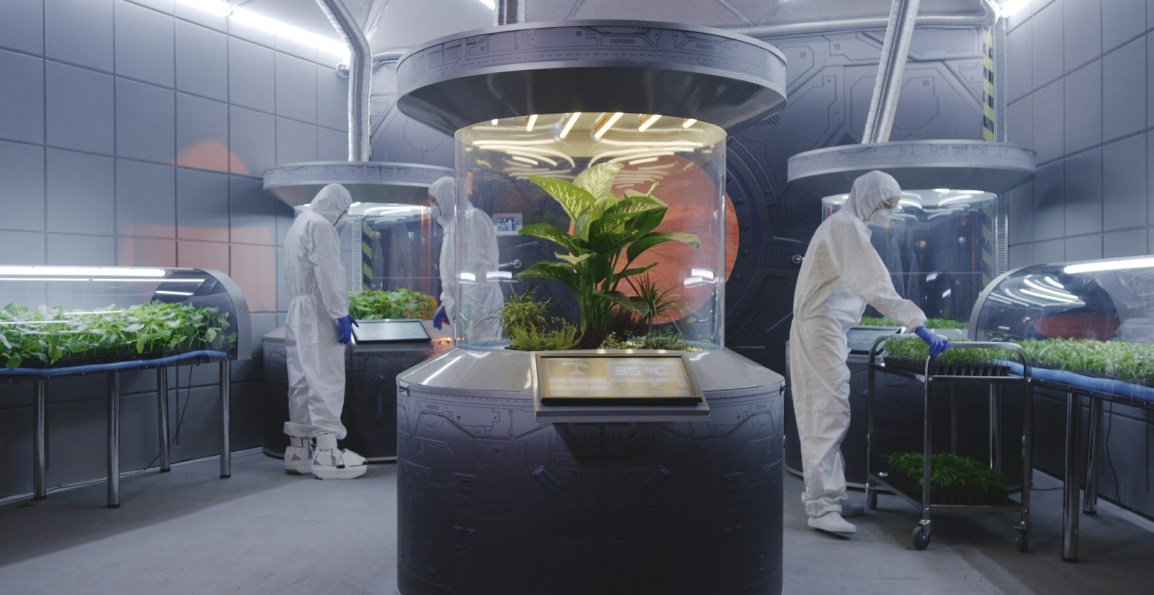
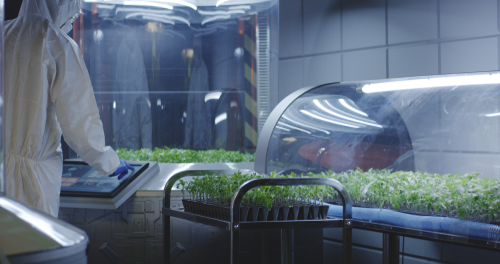
NASA’s Vegetable Production System (Veggie) is a space garden on the International Space Station (ISS). Veggie helps study plant growth in microgravity while providing fresh food for astronauts. Microgravity affects water distribution, root development, and nutrient uptake. The garden, about the size of carry-on luggage, typically holds six plants. Each plant grows in a “pillow” filled with clay-based growth media and fertilizer. LEDs above the plants emit a spectrum of light suited for growth, resulting in a magenta pink glow.

Astronauts have successfully grown lettuce, radishes, and tomatoes in Veggie. These crops provide essential nutrients and contribute to psychological well-being.

Veggie’s success encourages the development of more advanced space gardens. Self-sufficiency in food production will be crucial for long-duration missions. Future missions may involve more advanced space gardens, allowing self-sufficiency. The challenge remains: How do we cultivate fresh produce in a closed environment without sunlight or Earth’s gravity?

Plants on Mars: Challenges and Possibilities

In my book, Mars Madness, I introduced the idea of how fungi could be grown on Mars to support life. In reality, growing plants on Mars is a fascinating endeavor, but it comes with significant challenges:

Martian Soil: Martian soil contains essential plant nutrients, but their levels are too low for healthy growth. Fertilizers would be necessary to enhance soil conditions for plants.

Harsh Environment: Mars has thin air, extreme cold, and sterilizing radiation. A Martian greenhouse would shield plants from direct exposure. During the day, plants would face high solar ultraviolet radiation due to the lack of ozone in the Martian atmosphere. Nighttime temperatures drop well below freezing.

Designer Plants: Scientists are genetically modifying plants to withstand Martian conditions. They splice genes from extremophiles (microscopic organisms that thrive in harsh environments on Earth) into plants. These modified plants could provide oxygen, food, and medicine for astronauts while recycling waste.

Current research focuses on demonstrating feasibility and identifying technical challenges. Martian plants won’t be a reality for at least a decade or more.

The Effects of Excessive iPad Exposure on Your Child’s Brain Development

With the rise of digital media, it’s easy to give in to children’s requests for more iPad time. However, it’s crucial to recognize that too much exposure to these devices can negatively impact a child’s brain development.

Recent studies shed light on the effects of screen time, particularly iPad usage, on children’s well-being:

  1. Obsessive-Compulsive Disorder (OCD) Risk: A study published in the Journal of Adolescent Health followed over 9,200 children aged 9 to 10 for two years. Researchers found that excessive screen time (including video games and videos) was associated with a higher risk of OCD diagnoses among preteens. Specifically, for every hour spent playing video games, the odds of developing OCD increased by 15%. Watching videos also contributed to this risk. Interestingly, texting, video chatting, and social media use were not linked to OCD risk in this cohort.
  2. Emotional Regulation and Social Issues: Another intriguing study highlighted that children as young as two years old, often referred to as “iPad kids,” may face long-term emotional and social problems. Excessive digital media consumption during early childhood could lead to emotional and social issues later in life.
  3. Physical Health Impacts: Spending too much time on iPads can lead to headaches, eye strain, and blurred vision. The blue light emitted from iPad screens disrupts the body’s circadian rhythm, potentially causing sleep disorders and related health problems. Excessive screen time disrupts the body’s circadian rhythm, leading to sleep disorders. Concerns exist about radiation emitted by these gadgets, which could pose potential health risks over time. Extended iPad use contributes to sedentary behavior, leading to obesity and other health issues due to a lack of physical activity.
  4. Behavioral Changes: Constant stimulation and instant gratification from the device can make it difficult for children to concentrate on other activities, affecting learning environments. Solitary iPad use may hinder the development of necessary social skills, impacting friendships and relationships. Children can become addicted to their iPads, neglecting other activities and responsibilities.

Creating Healthy Limits

As parents, we must ensure that our children engage in activities beneficial for their growth and development. Setting guidelines for iPad usage is essential to strike a balance between technology and well-being.

Technology can have several positive effects on children when used mindfully and in moderation.

  1. Educational Apps and Learning Tools: Interactive educational apps and software can enhance learning experiences. Children can explore various subjects, practice math, learn languages, and develop critical thinking skills.
  2. Creativity and Expression: Technology allows children to express their creativity through digital art, music, and writing. Platforms like Scratch encourage coding and problem-solving.
  3. Access to Information: The internet provides a wealth of information. Children can research topics, learn about different cultures, and explore their interests.
  4. Communication and Social Skills: Video calls and messaging apps help children stay connected with family and friends. Online communities foster social interactions and collaboration.
  5. Health and Fitness Apps: Fitness trackers and health apps encourage physical activity and mindfulness. Yoga apps, step counters, and nutrition guides promote overall well-being.

Remember, balance is key. Encourage healthy tech habits while reaping the benefits!

Brainoware: Merging Human Brain Tissue with Electronics

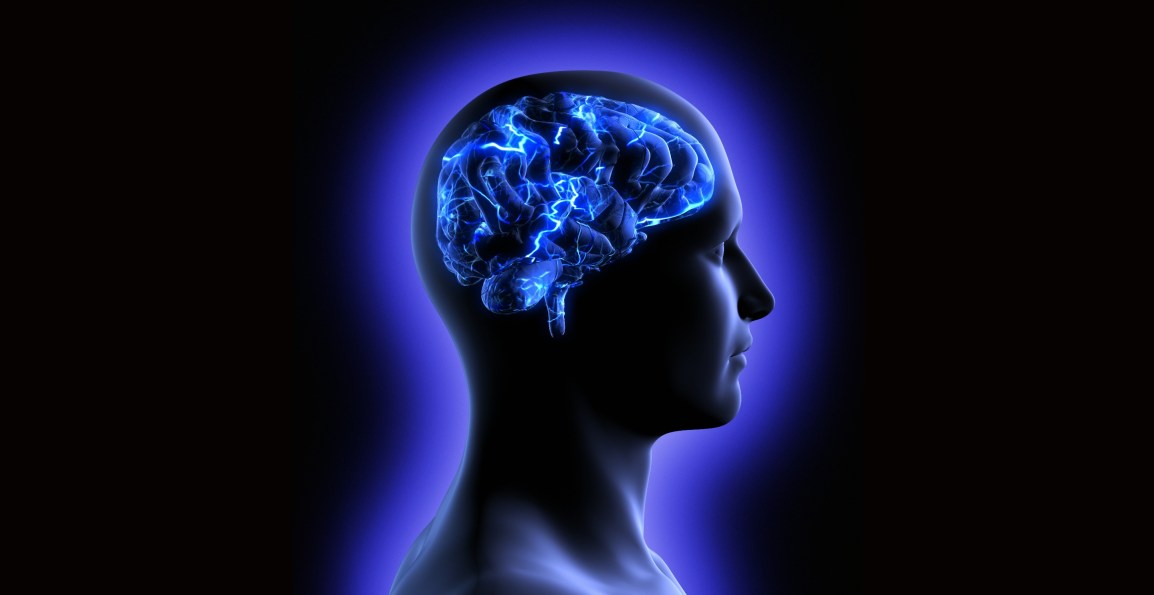
In recent years, scientists have embarked on a groundbreaking endeavor: creating a computer that combines real human brain tissue with electronic components. This innovative technology, known as Brainoware, represents a remarkable convergence of biology and computing.

The Brain Organoid Connection

At the heart of Brainoware lies a tiny brain-like structure called a brain organoid. These mini-brains are cultivated from human stem cells in laboratory settings. Unlike traditional silicon-based computers, Brainoware taps into the inherent efficiency of living brain cells.

Wetware Computing: A New Paradigm

Brainoware operates through a concept known as wetware computing. Researchers house 16 brain organoids within four arrays, each connected to eight electrodes. A microfluidics system supplies water and nutrients to these clusters of lab-grown brain cells.

Energy Efficiency and Potential Impact

The energy consumption of Brainoware is remarkably low compared to digital processors. While we lack specific numbers for this system, consider that training large language models like GPT-3 (a precursor to GPT-4) requires an astounding 10 gigawatt hours—equivalent to 6,000 times the energy used by a European citizen in a year. In contrast, the human brain, with its 86 billion neurons, operates on a mere 0.3 kilowatt hours per day.

A Sustainable Alternative

As the AI industry continues to expand, energy-efficient computing becomes crucial. Brainoware offers a promising alternative, bridging the gap between biological networks and electronic circuits. By harnessing the power of human brain cells, we may unlock new frontiers in computing while minimizing our environmental impact.

Ethical implications

The ethical implications of Brainoware are multifaceted and thought-provoking.

Autonomy and Consent: Brainoware involves manipulating human brain tissue, which raises questions about informed consent. If we use brain organoids from donors or patients, ensuring their autonomy and consent becomes crucial. Additionally, should we grant these brain organoids any form of agency or rights? Striking a balance between scientific progress and ethical boundaries is essential.

Identity and Personhood: When we merge biological brain cells with electronics, we blur the lines between human and machine. Defining personhood in this context becomes challenging. Does Brainoware possess consciousness or self-awareness? If so, how do we respect its rights?

Privacy and Data Security: Brainoware could process sensitive information directly from neural networks. Protecting privacy and preventing unauthorized access to these hybrid systems is critical. Imagine a scenario where Brainoware interfaces with personal memories—how do we safeguard against misuse?

Unintended Consequences: Brainoware’s behavior might be unpredictable due to the complexity of brain tissue. Unexpected emergent properties could arise. Ensuring safety and minimizing unintended consequences is paramount.

Equity and Access: Brainoware could exacerbate existing inequalities. Will it be accessible only to the privileged few? We must consider equitable distribution, affordability, and accessibility.

Dual-Use Dilemma: Brainoware could have both beneficial and harmful applications. Dual-use technology presents challenges. How do we prevent malicious uses, such as brain-controlled weaponry or invasive surveillance?

Long-Term Effects: Brainoware’s impact on human health remains uncertain. Could it lead to unforeseen health issues? Rigorous testing and ongoing monitoring are essential.

In summary, Brainoware represents a bold leap toward a future where living brain tissue collaborates with technology, ushering in a new era of sustainable computing but a delicate balance between scientific advancement and responsible stewardship is needed.

Tattoos and Lymphoma Risk

Tattoo ink is a fascinating blend of chemistry and artistry. While the exact composition can vary among manufacturers, most tattoo inks consist of the following basic components:

Pigments: These are the colorants that give tattoos their distinct hues. Pigments can be organic or inorganic compounds, and they come in various shades.

Carriers: Carriers are liquids that help suspend the pigments and facilitate their application into the skin. Common carrier fluids include glycerin, distilled water, isopropyl alcohol, or witch hazel.

Additives: These substances enhance specific properties of the ink, such as ink flow, color consistency, and shelf life. Some inks may contain additives like propylene glycol or even antibiotics.

It’s essential to note that tattoo inks can sometimes contain unlisted or potentially harmful ingredients and the pigments can also cause allergic reactions.

More worryingly, a recent study conducted by researchers at Lund University in Sweden investigated whether having tattoos might increase the risk of malignant lymphoma, a rare form of cancer that affects white blood cells (lymphocytes).

The study included 5,591 people diagnosed with lymphoma between 2007 and 2017. They found that tattooed individuals had a 21% higher risk of lymphoma compared to those without tattoos, even after accounting for smoking and education levels.

Lymphoma, also known as lymphatic cancer, is a type of blood cancer that affects white blood cells called lymphocytes. It originates in the lymphatic system, which includes lymph nodes, the spleen, thymus, tonsils, and bone marrow. Common symptoms of lymphoma include swollen lymph nodes, fever, night sweats, fatigue, itchy skin, and unexplained weight loss.

It’s essential to note that lymphoma is a very rare disease, and the risk increase is relative to a low baseline risk.

Interestingly, the size of the tattoos did not significantly impact the risk. However, the duration of having tattoos mattered: new tattoos (received within two years) and older tattoos (received over ten years ago) showed a higher risk.

It is believed that when the chemicals contained in Tattoo inks are injected into the skin, the body perceives it as foreign material. As a result, an immune response occurs, leading to ink particles ending up in the lymph nodes.

However, there’s no definitive evidence directly linking tattoos to skin cancer. While some studies suggest a possible association, it remains inconclusive.

Alzheimer’s Disease and Promising Research

Alzheimer’s disease is a progressive neurodegenerative disorder affecting approximately 55 million people globally and leads to severe cognitive decline and memory loss. The exact cause of Alzheimer’s remains unknown, likely involving multiple factors from genetics to lifestyle.

The key signs of Alzheimer’s are:

Memory Loss – noticeable through repeating statements, misplacing items, getting lost in familiar places, and forgetting family members’ names.

Thinking and Reasoning Difficulties – including multitasking and managing finances.

Judgment and Decision-Making Impairment – making sensible decisions becomes harder.

Language Problems – trouble finding the right words, expressing thoughts, or participating in conversations.

Mood Changes – including emotional instability and personality alterations.

There are things you can do to reduce the risk of developing Alzheimer’s including controlling high blood pressure, managing blood sugar levels (particularly if you’re diabetic), maintaining a healthy weight with a balanced diet and moderating your alcohol, staying physically active, quitting smoking, managing stress, and prioritizing quality sleep.

However, numerous different studies and research together with recent scientific advancements offer hope for people already suffering from Alzheimer’s:

Researchers at the Okinawa Institute of Science and Technology developed a synthetic peptide called PHDP5. These peptides target early-stage Alzheimer’s by ensuring the availability of dynamin for vesicle recycling in neurons. In transgenic mice, PHDP5 significantly restored memory and learning functions.

Scientists have also experimented with gene therapy to reverse Alzheimer’s in mice by boosting the formation of new brain cells in the hippocampus (critical for learning and remembering), they achieved promising results.

Researchers at the Cleveland Clinic Lerner Research Institute discovered that gradually depleting the enzyme BACE1 reverses amyloid plaque formation in mouse brains, improving cognitive function and offering hope for potential treatments.

Bumetanide, a drug used for fluid retention, appeared to reverse signs of Alzheimer’s in mice and human brain cells. Collaborative research by Gladstone Institutes, UCSF, and Icahn School of Medicine demonstrated its efficacy.

In conclusion, while Alzheimer’s disease remains a formidable challenge, these recent breakthroughs provide optimism. Researchers continue to explore innovative approaches, aiming to rescue brain functions before irreversible damage occurs. As we learn more about this complex disorder, we move closer to effective treatments that could transform lives.

Universal Vaccines

In the quest to combat infectious diseases, scientists have been exploring innovative approaches to vaccine development. One promising avenue is the concept of universal vaccines, which aim to provide broad protection against various strains of pathogens, including those that may emerge in the future.

What Are Universal Vaccines?

Unlike traditional vaccines, which target specific strains of a pathogen, universal vaccines are designed to teach the immune system to defend against all versions of that pathogen—even those that haven’t yet appeared. These vaccines focus on a fundamental element shared by different strains, allowing them to provide broader and longer-lasting immunity.

The Role of mRNA Vaccines

One groundbreaking technology that has gained prominence during the COVID-19 pandemic is mRNA (messenger ribonucleic acid) vaccines. Both the Pfizer/BioNTech and Moderna COVID-19 vaccines utilize this approach. But what exactly are mRNA vaccines, and how do they work?

  • mRNA is a component found in all living organisms. Its primary role is to carry instructions from our genes (encoded in DNA) to the protein-making machinery within our cells.
  • In the context of vaccines, synthetic mRNA is used to deliver instructions for creating a harmless piece of protein identical to one found in a specific virus or bacterium.
  • Our cells then produce this protein, triggering an immune response.
  • Once the protein is assembled, our immune system recognizes it as foreign.
  • Antibodies are produced to attack the protein, preparing our immune defenses.
  • If we encounter the actual virus later, our immune system is primed to respond effectively.
  • After the immune response, the mRNA instructions from the vaccine break down naturally.
  • Our immune system retains memory for producing antibodies, but booster shots may be necessary over time.

Advantages of mRNA Vaccines

mRNA vaccines can be swiftly tailored to different diseases or variants by modifying the mRNA sequence. This adaptability is crucial for responding to emerging pathogens.

Researchers can personalize mRNA vaccines to target specific antigens which enhances their effectiveness.

Potential for Universal Vaccines:

While current mRNA vaccines are pathogen-specific, the technology holds promise for universal vaccines. By targeting conserved elements shared across strains, mRNA vaccines could provide broader protection.

The Road Ahead

Scientists continue to explore novel targets for universal vaccines. For instance, researchers have identified the N (nucleocapsid) protein of SARS-CoV-2 (the COVID-19 coronavirus) as a potential universal vaccine candidate due to its low mutation rate. As we invest in mRNA research and development, we move closer to a future where universal vaccines play a pivotal role in safeguarding global health.

In summary, universal vaccines represent a paradigm shift—a departure from strain-specific immunity toward broader protection. As we learn more about these groundbreaking approaches, we inch closer to a world where infectious diseases are met with powerful and adaptable defenses.