
India’s size, and number of inhabitants, means that the country needs a significant amount of electricity. Over a number of years the government has introduced projects which will help them move away from coal-fired plants, and the country has recently closed 30 coal mines, with the intention of switching to renewable energy. India has taken these steps to clean up its environment, as the country is currently the world’s second largest contributor to warming gasses, after China. To help decease this, scientists have built a facility in the city of Kalpakkam, which is the home of the country’s Prototype Fast Breeder Nuclear Reactor (PBTR).
After WWII, several countries began building nuclear power plants, most of which use light water reactors to create nuclear energy. The prototype at the Madras Atomic Power Station in Kalpakkam, is a Fast Breeder Nuclear Reactor. It is part of a three stage nuclear power program, which was proposed by Homi Bhabha, in the 1950s, to allow the country to achieve long term energy independence. The program’s ultimate goal is to use the country’s large thorium reserves to meet the majority of its energy requirements. Designed by The India Gandhi Centre for Atomic Research, the facility is expected to become functional in early 2018.
Fast Breeder Nuclear Reactors differ from other nuclear plants, as the neutrons that sustain the atomic chain reaction travel at higher velocities. The use of elemental uranium in these reactors also makes it possible for them to generate more fuel. Fast reactors are therefore safer, significantly reduce the amount of radioactive waste emitted, as well as have the ability to extract up to 70% more energy. Once the PBTR in India is fully functional, it is expected that it will use rods of thorium in place of uranium.
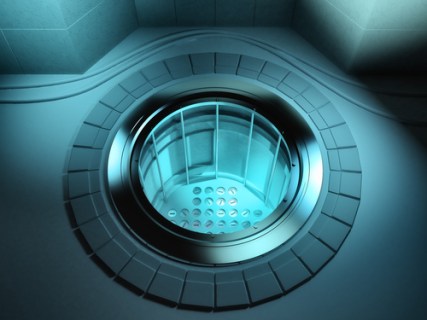 Apart from the PBTR located in India, there is only one commercially operable Fast Breeder Nuclear Reactor in the world. This is the Beloyarsk Nuclear Power Plant, located in the Ural Mountains, Russia. This plant uses uranium to provide energy for various parts of the country. China is also experimenting with Fast Breeder Nuclear Reactors, but their progress is behind India’s by about a decade. The technology has proved extremely difficult to produce, and maintain, and other countries, such as France and Japan, have been unsuccessful in their attempts to utilize it. The world will continue to observe the capacity to which India can put their nuclear plant to use, and there may be attempts to replicate it in the future.

 Solar energy plants have a 30+ year lifespan, during which the molten salt will not need to be replace or topped up. It is made from an environmentally friendly mixture of sodium and potassium nitrates, which can be used as a high grade fertilizer once the plant has been decommissioned. The salt is stored in tanks at atmospheric pressure, and about 566°C. The sunshine is reflected by a field of mirrors onto a tower, which heats the salt up. Using the molten salt for both heat transfer and energy storage means that the number of storage tanks and the salt volumes can remain relatively low. The salt is circulated through highly specialized piping in the receiver, during the day, and kept in storage tanks at night.
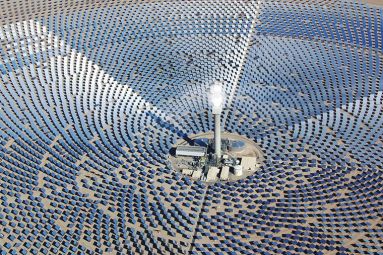 It facilitates thermal power plants operating in the same way as fossil fuel or nuclear power plants, without the associated harmful emissions as well as eliminating the cost for the fuel. These plants can also operate around the clock, providing power for both on-grid and off-grid applications.
 Energy – Fujisawa SSC’s energy system was created with the intention of consuming as well as generating energy within the boundaries of the city. 30% of the town’s energy comes from renewable sources, and each household can monitor its consumption online. All lighting fixtures are LED and buildings are equipped with solar panels, storage batteries, fuel celled co-generation units and heat pumped water heaters.
 Panasonic began as a company that enhanced lifestyles through the application of its products, but have an overall vision of creating a future where ‘smart cities’ dominate on a global scale. Their mission of ‘a better life, a better world’ continues to becomes a reality, as the company entered a partnership with Denver, Colorado to build their second smart city. The project began in 2016, and is expected to take at least ten years to come to fruition.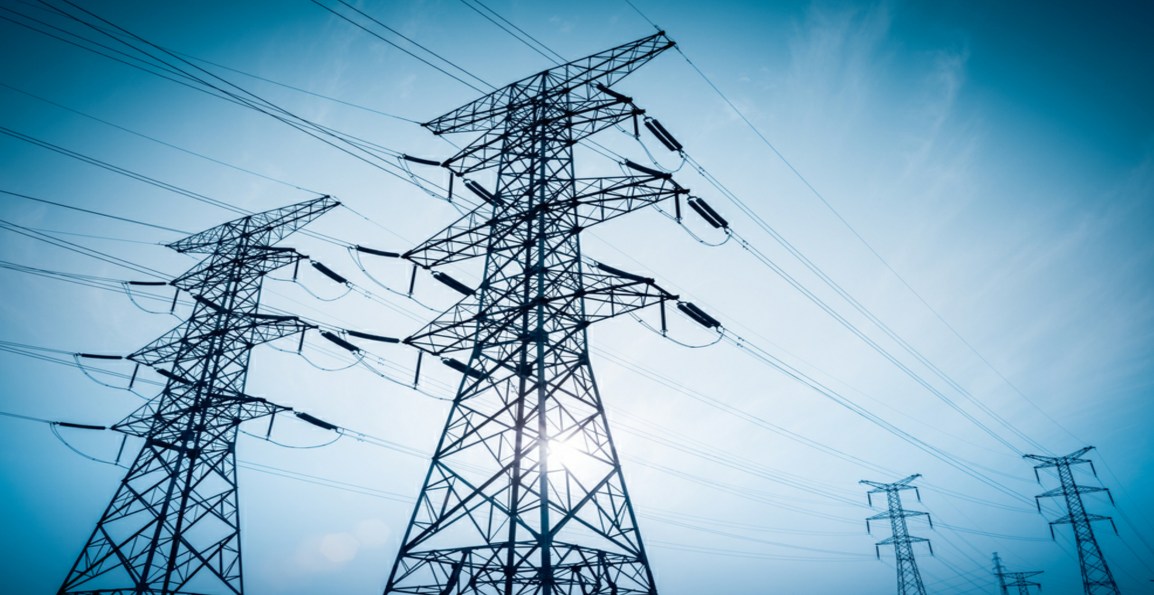
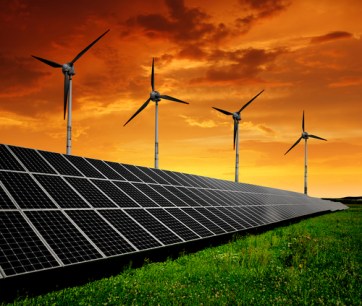 Most of our current energy grids operate on alternating current (AC). Converting these renewable energy sources to direct current (DC), where energy flows in a single direction, is making it possible for high-voltage lines to be installed throughout the United States. This is beneficial because DC can transport a substantial amount of power over longer distances, while reducing energy loss often associated with AC systems. Construction has begun in Wyoming on the Chokecherry and Sierra Madre Wind Farm, which will have a DC connecting Wyoming to California, Nevada and Arizona. The line is being made from a series of steel transmission towers which can carry up to 3,000 megawatts of electricity and, in addition to transporting energy from Wyoming, would also allow energy to flow from California on sunny days.
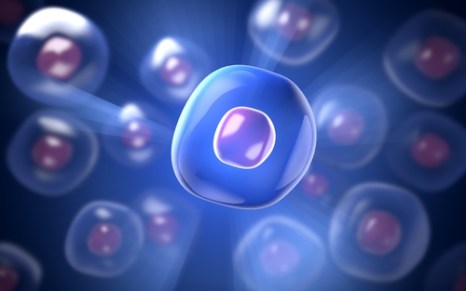 It is believed that there are billions of habitable planets in our galaxy, which could become the target for Project Genesis. These planets are known as ‘oxygen’ planets, and revolve around M-dwarfs. Although oxygen is necessary for the sustenance of life, their oxygen rich atmospheres are the reason why complex organisms cannot develop. Astronomers are focused on finding planets that are around M-stars, which are relatively common but can be very dim, to introduce complex life. The planets have become oxygen rich because of the UV radiation emitted by the star during its cooling phase, which can take between 100 million to 1 billion years, which split the water on the planets into hydrogen and oxygen molecules. Hydrogen will then escape the planet’s atmosphere, leaving the oxygen behind. Even though oxygen is necessary for the maintenance of life, this arise from chemical disassociation (not plant life), results in the planet becoming barren. It can, however, sustain life once it has been introduced.
 The planets would be introduced to the organisms in two phases: the first would include unicellular autotrophs, mainly photosynthesizing bacteria; followed by heterotrophs, which feed on other organisms. The life initially seeded on these planets would take between 10 – 100 million years to fully unfold, and transport methods are currently being explored. One possible way of transporting the organisms would be to use laser technology to send probes through the universe, which would determine if the planet had life or not. Dr. Gros believes that this method will be possible within 50 – 100 years.

 Elon Musk continues to expand his interests, with more innovative methods of transportation. He has introduced the idea of the Hyperloop, which would facilitate travelling between major cities in a much shorter period of time. The concept consists of a network of low pressure tunnels, which will propel passengers along in pods, would be weather resistant and powered by renewable energy. Although the Hyperloop is currently just a proposal, Musk founded The Boring Company with the intention of creating transportation tunnels underground and decreasing the amount of traffic on bus interstates and city streets.
 R. E. KEARNEY