
In 1888, Charles F. Bush invented the first electricity-generating wind turbine in Cleveland, Ohio. It had a diameter of 17 metres and was able to generate 12 kW of power. Wind turbines have evolved significantly since, and the Wind Engineering Section of Kushu University, in Japan, has found a way to potentially triple their energy output. One of the aims is to make wind energy cheaper than both coal and nuclear power in the country, and eventually the world.
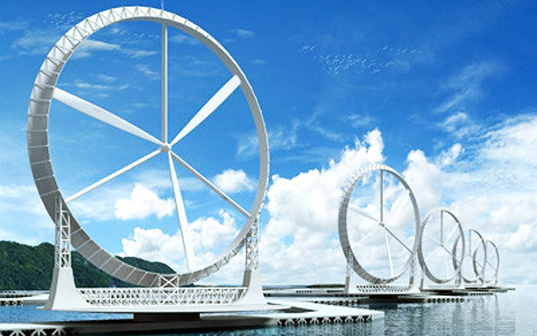 During the Yokohama Renewable Energy International Exhibition 2010, they unveiled the new design, which works by putting a wind lens around the turbine blades. This also makes it possible to increase their safety levels, as well as decrease the unbearable noise usually associated with wind turbines. The wind lens is a brim that surrounds the inside of the blades and diverts the air from the exhaust outflow, which is located behind them. The turbulence then creates a low pressure zone behind the turbine, which causes more wind to pass through it. The blade rotation increases and subsequently the energy output. The engineers believe that each lens would be able to provide enough energy for an average household.
The proposed end structure would be similar in shape to a giant honeycomb, but the Wind Engineering Section of the University finds it challenging to apply these lenses to larger sized turbines. To test the theory they constructed two wind turbines on the campus, which are each 34m high and able to generate 100kW of power. They will use these models to figure out ways to apply the technology to larger turbines in the future. Each turbine also has a rotor which spans 12.8m and a diffuser with a diameter of 15.4 m.
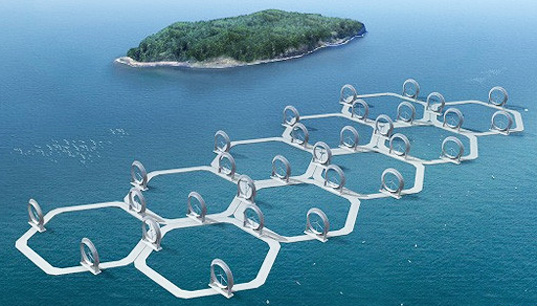 These wind turbines are being monitored as part of their larger project to build an offshore energy farm. The wind turbines will be mounted on a hexagonal shaped base, which is low in cost but sufficiently sturdy to withstand the marine conditions. Placing these in coastal areas will take advantage of the sea breezes, and reveal the probability of them being a main source of power for the country. The bases also make it possible to link other turbines together and create larger platforms.
The technology has already been applied to smaller units, averaging between 3 and 5 kW of output, which are being used by businesses to increase their energy while lowering the costs. Kushu University believes that the design will extend worldwide after the field tests prove that it is a much more efficient energy source. This would be good for both the countries involved and the world in general as this clean energy source would significantly decrease atmospheric pollution.

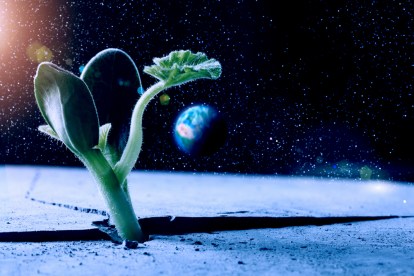 Proxima Centauri is a more active star than our sun, which would result in the planet being exposed to 100 times more radiation. Without any protective magnetic field, this level would be detrimental to any living organism. If the planet does have an atmosphere, however, life would still be able to survive especially in its water bodies.
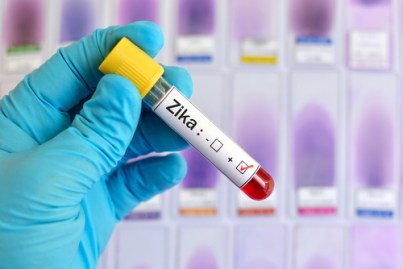 The Brazilian organisers have given Olympic teams the option of having a mosquito screen in the athletes’ rooms. These would need to be paid for by each country requiring them. The Brazilian team has already put in their request, as well as suggested that their main sponsor, Nike, provide more long-sleeved apparel. The rooms that the athletes will be staying in are also air conditioned to prevent mosquitos from accessing the interiors. Spectators are advised to book accommodation with ac themselves wherever possible.
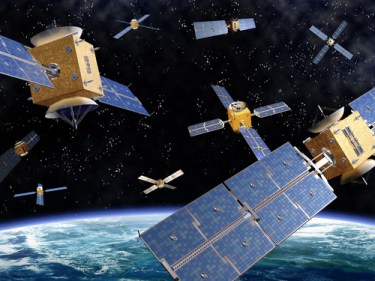 How did all of this space junk and clutter arrive in the atmosphere surrounding us? Well, accidents do happen. For example, In February 2007, a Russian Briz-M booster stage exploded in orbit over South Australia. The booster had been carrying an Arabsat-4A communication satellite but malfunctioned before it could use all of its propellant creating a cloud of space debris or junk.
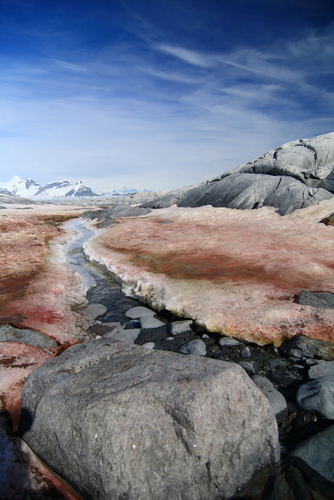 The Effects of Watermelon Snow
  R. E. KEARNEY