The Big Bang Theory: What It Is and How It Might Not Be True

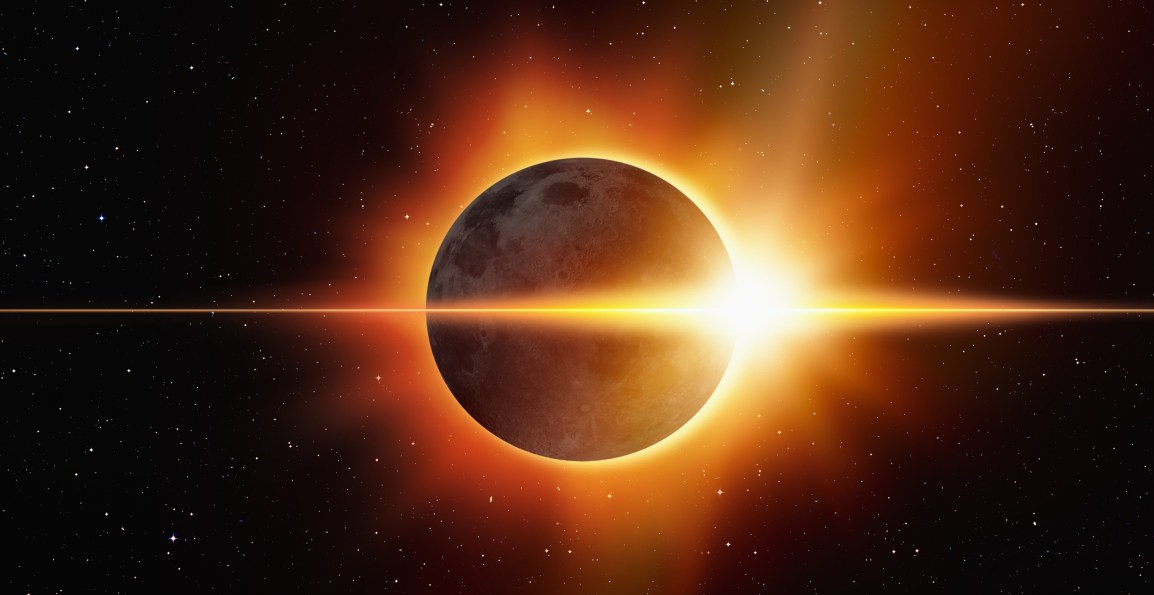
The Big Bang Theory is the prevailing cosmological model explaining the origin and evolution of the universe. According to this theory, the universe began approximately 13.8 billion years ago from an extremely hot and dense singularity, which then expanded and continues to expand today. The theory was first proposed by Belgian priest and physicist Georges Lemaître in the 1920s and has since been refined with contributions from various scientists.

One of the most compelling pieces of evidence for the Big Bang Theory is the cosmic microwave background radiation (CMB). Discovered in 1965 by Arno Penzias and Robert Wilson, the CMB is the afterglow of the initial explosion, now cooled to just a few degrees above absolute zero. This radiation is remarkably uniform, supporting the idea that the universe began from a hot, dense state.

Another supporting observation is the redshift of galaxies. Edwin Hubble’s observations in the 1920s showed that galaxies are moving away from us, with more distant galaxies moving faster. This redshift is interpreted as evidence of an expanding universe, consistent with the Big Bang model.

How Might the Big Bang Theory Not Be True?

Despite its widespread acceptance, the Big Bang Theory is not without its challenges and alternative explanations. One of the main criticisms is the horizon problem. The CMB is uniform in all directions, but regions of the universe that are far apart have not had enough time to exchange information or energy, given the speed of light. This uniformity is difficult to explain under the standard Big Bang model.

Another issue is the flatness problem. The universe appears to be very close to geometrically flat, meaning its overall density is very close to the critical density. Small deviations from this critical density would have led to a vastly different universe, either collapsing back on itself or expanding too rapidly for galaxies to form. The Big Bang Theory does not naturally explain why the universe’s density is so finely tuned.

To address these issues, the theory of cosmic inflation was proposed by Alan Guth in the 1980s. This theory suggests a rapid exponential expansion of the universe in the first fractions of a second after the Big Bang, smoothing out any irregularities and explaining the uniformity of the CMB and the flatness of the universe. However, inflation itself is a hypothesis that has yet to be directly observed.

There are also alternative models to the Big Bang. One such model is the Steady State Theory, which posits that the universe has no beginning or end and is in a constant state of creation. Although this theory has fallen out of favor due to lack of supporting evidence, it highlights that our understanding of the universe’s origins is still evolving.
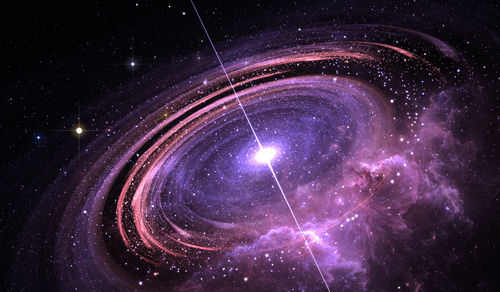
Recently, Lior Shamir, an associate professor of computer science at Kansas State University, has revived the “Tired Light” theory to challenge the widely accepted Big Bang Theory. This theory, originally proposed by Fritz Zwicky in 1929, suggests that the redshift observed in distant galaxies is not due to the expansion of the universe but rather because light photons lose energy as they travel through space.

Shamir’s research, supported by observations from the James Webb Space Telescope (JWST), indicates that the universe might not be expanding as previously thought. Instead of showing an early, infant universe, the JWST has revealed large and mature galaxies, which contradicts the expected timeline if the Big Bang had occurred. According to Shamir, this discrepancy suggests that the galaxies are older than the universe itself, challenging the Big Bang model.

Shamir’s findings also show that the redshift of galaxies changes with their distance from Earth, aligning with the Tired Light theory. This theory posits that as light travels over vast distances, it loses energy, leading to the observed redshift without requiring an expanding universe.

While Shamir’s work has sparked interest and debate, it remains controversial but highlights the ongoing quest to understand the universe’s origins and the need to continually reassess our scientific models in light of new evidence.

Refreezing the Arctic: A Bold Endeavor

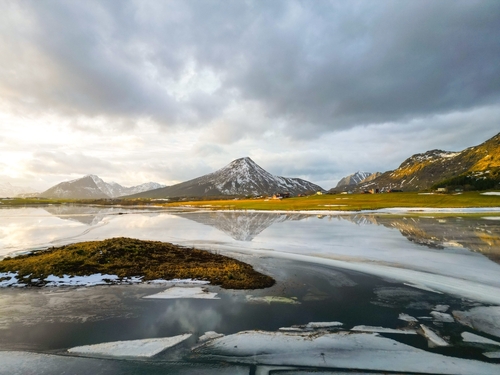
The Arctic, our planet’s icy crown, is in peril. Rapid warming has led to unprecedented ice melt, threatening ecosystems, weather patterns, and global sea levels. But scientists are not content to watch this unfold passively. Instead, they’re exploring innovative ways to intervene directly and refreeze the Arctic.

The Urgency of Arctic Intervention

The Arctic’s plight extends beyond its icy boundaries. Melting Arctic ice contributes to rising sea levels, releases greenhouse gases from thawing permafrost, and disrupts weather systems worldwide. The economic impact of unmitigated Arctic warming by the end of this century is estimated to be a staggering $67 trillion.

Geoengineering Solutions

Surface Freezing with Water Pumps: Imagine giant pumps lifting seawater to the surface, where it freezes, creating a protective layer over the Arctic snow. This approach aims to restore lost ice cover and slow down warming. Challenges: Energy requirements, logistical complexities, and potential unintended consequences.

Reflective Glass Beads: Scatter reflective glass beads on snow surfaces to deflect harmful solar rays. By increasing albedo (reflectivity), we can help preserve existing ice and prevent further melting. Challenges: Ensuring widespread distribution and long-term effectiveness.

Sulfate Aerosols to Reflect Sunlight: Injecting sulfate aerosols into the stratosphere could mimic the cooling effect of volcanic eruptions, reflecting sunlight away from the Arctic. However, this approach raises ethical and environmental concerns. Challenges: Balancing benefits with risks.

Seafloor Mounds to Protect Glaciers: Constructing underwater mounds near glaciers could prevent warm ocean water from melting them. These mounds act as natural barriers, preserving ice mass. Challenges: Engineering feasibility and long-term stability.

The Road Ahead

Refreezing the Arctic is no small feat. It requires international collaboration, substantial investment, and careful consideration of ecological impacts. But as the ice continues to vanish, scientists remain committed to these audacious endeavors.

While geoengineering offers potential solutions to combat climate change, it also comes with significant risks. Here are some key concerns:

Unintended Consequences: Geoengineering interventions can have unforeseen effects on ecosystems, weather patterns, and regional climates. Altering one aspect of the environment may lead to unintended outcomes elsewhere. For example, sulfate aerosols injected into the stratosphere to reflect sunlight might disrupt rainfall patterns or harm the ozone layer.

Ethical Dilemmas: Decisions about geoengineering affect the entire planet. Who gets to decide? How do we balance global interests with local impacts? Some argue that geoengineering could be used as a “quick fix” instead of addressing root causes like reducing greenhouse gas emissions.

Dependency and Risk Compensation: Relying on geoengineering might reduce the urgency to mitigate emissions. If people believe we can “fix” the climate, they may delay necessary changes. There’s a risk of moral hazard—assuming that geoengineering will bail us out if things get worse.

Geopolitical Tensions: Implementing large-scale geoengineering projects requires international cooperation. Disagreements over methods, costs, and benefits could strain relations between countries.

Technological Challenges: Developing and deploying geoengineering technologies at a global scale is complex. We lack experience and robust testing. Failure or unintended consequences could exacerbate existing climate problems.

Equity and Justice: Geoengineering impacts won’t be evenly distributed. Some regions may benefit while others suffer negative effects. Ensuring fairness and justice in implementation is crucial.

In summary, while geoengineering holds promise, we must proceed cautiously, considering both its potential benefits and the risks involved. A holistic approach that combines mitigation, adaptation, and responsible geoengineering is essential for a sustainable future.

Solar Power in Germany: A Renewable Energy Revolution

Germany has emerged as a global leader in harnessing solar energy, demonstrating its commitment to sustainability and combating climate change. Let’s delve into the fascinating world of solar power in this European nation.

Historical Context

Solar power accounted for an estimated 10.7% of Germany’s electricity in 2022, a remarkable increase from less than 0.1% in 2000. This growth reflects the country’s dedication to renewable energy sources and its transition away from fossil fuels. Germany has consistently been among the world’s top photovoltaic (PV) installers, with a total installed capacity of 81.8 gigawatts (GW) by the end of 2023.

Impressive PV Capacity

Germany boasts an impressive 807 watts of solar PV per capita (as of 2022), ranking third globally behind Australia and the Netherlands. The country’s commitment to solar energy is evident in its long-term targets: aiming for 80% renewable electricity by 2030 and full decarbonization before 2040.

Photovoltaic Industry

The photovoltaic industry plays a pivotal role in shaping Germany’s sustainable energy future. Solar power serves as a crucial renewable energy source for both electricity and heat supply. As part of its “Energy Transition,” Germany offers significant market opportunities in photovoltaics and energy storage.

Challenges and Innovations

While Germany’s solar success story is inspiring, challenges remain. Fluctuating solar and wind energy necessitate grid adaptations, new storage capacity, and the gradual phasing out of fossil and nuclear power plants. Brown coal and nuclear power, being the cheapest suppliers, pose dilemmas as the country strives for a greener future. Nevertheless, Germany’s surplus solar electricity is exported to neighboring countries, contributing to a cleaner energy landscape.

In recent years, the global energy landscape has witnessed a remarkable shift. Solar power, once considered a niche technology, is now on the cusp of surpassing fossil fuels as a dominant energy source. Wind and solar power generation is growing at a rate of 15-20% per year, based on a 10-year average. Continued investments in solar and wind infrastructure will play a crucial role in achieving this tipping point. As fossil fuels become less economically viable and environmentally sustainable, the transition to renewables becomes inevitable.

The International Energy Agency (IEA) anticipates that wind and solar capacity will surpass both gas and coal globally in 2024. This milestone signifies a seismic shift in the energy sector.

Conclusion

Germany’s commitment to solar power exemplifies its dedication to environmental stewardship. As the world transitions toward cleaner energy sources, Germany’s PV capacity and innovative policies serve as a beacon of hope for a sustainable future.

In summary, Germany’s solar journey is a testament to the power of human ingenuity and collective effort in combating climate change. With continued investments and technological advancements, solar energy will play an even more significant role in shaping our planet’s future.

Tardigrades: Nature’s Resilient Heroes

In the microscopic world, there exists a creature that defies the odds—a true survivor. Meet the Tardigrade, a tiny, seemingly unremarkable animal that possesses extraordinary resilience. These minuscule beings can withstand extreme conditions that would spell doom for most other organisms. But what makes Tardigrades so tough, and how might their secrets benefit us humans?

The Unassuming Water Bear

Discovery: Tardigrades were first described by German naturalist Johann August Ephraim Goeze in 1773. Their peculiar gait earned them the nickname “little water bears.”

Appearance: Imagine a cross between a woodlouse and a caterpillar, shrunken down to microscopic proportions.

Ubiquity: You can find Tardigrades in damp environments—wet moss, lichen, or even a patch of dew-kissed grass.

Survival Superpowers

Extreme Temperatures: Tardigrades can endure being frozen to a degree above absolute zero (that’s -272°C or -458°F). Conversely, they can withstand boiling temperatures.

Vacuum of Space: Scientists have flown Tardigrades through the vacuum of space. These hardy travelers survived the harsh cosmic environment.

Dehydration Resistance: When water is scarce, Tardigrades enter a cryptobiotic state—a sort of suspended animation. They can lose up to 99% of their body water and still revive when conditions improve.

Radiation Tolerance: Tardigrades shrug off ionizing radiation that would harm most living organisms.

Mysterious Protein Shield: A protein called Dsup (damage suppressor) found only in Tardigrades binds to DNA, potentially shielding it from reactive oxygen. Could this protein hold the key to human survival in space?

Applications for Humans

Space Colonization: Emulating Tardigrades could help us colonize outer space. Their resilience might protect astronauts from radiation and extreme conditions.

Medicine and Biotechnology: Scientists hope to unlock Tardigrade secrets to create new medicines or enhance human cell toughness. Imagine fortifying our cells against stress, disease, or environmental challenges.

Conclusion

Tardigrades, the unassuming water bears, teach us resilience. As we gaze at the stars, we might find inspiration in these tiny survivors. Perhaps one day, their secrets will help us thrive beyond our blue planet.

Remember, even in our vulnerability, we carry the spirit of the Tardigrade—a tenacity to endure, adapt, and explore the unknown.

Total Solar Eclipses: A Celestial Dance of Shadows

A total solar eclipse is a cosmic spectacle that captivates both seasoned astronomers and curious skywatchers alike. As the moon gracefully glides across the sun’s surface, it casts a shadow upon our planet, plunging parts of the Earth into temporary darkness. Let’s delve into the fascinating world of total solar eclipses, including details about the upcoming event in April 2024.

What Is a Total Solar Eclipse?

A total solar eclipse occurs when the moon positions itself directly between the Earth and the sun, effectively blocking the solar surface from our view. The alignment is a cosmic coincidence: although the moon is about 400 times smaller than the sun, it happens to be approximately 400 times closer to us. Consequently, during an eclipse, these celestial bodies appear nearly identical in size when viewed from Earth.

Other Types of Eclipses

Annular Solar Eclipses: When the moon is farther from Earth, it appears too small to completely cover the sun’s surface. Instead, a striking “ring of fire” surrounds the moon—a mesmerizing sight for sky enthusiasts.

Partial Solar Eclipses: These occur when the Earth, the moon, and the sun are imperfectly aligned. The moon only partially obscures the sun, creating a captivating crescent shape.

Lunar Eclipses: Earth occasionally comes between the moon and the sun, resulting in a lunar eclipse. During this event, the moon takes on a reddish hue due to sunlight filtering through Earth’s atmosphere.

The Upcoming Total Solar Eclipse (April 8, 2024)

On April 8, 2024, North America will witness its second total solar eclipse in just seven years. The eclipse’s path will sweep across North America, starting over the South Pacific Ocean. Skywatchers in Mexico will be the first to witness totality on the mainland. From there, the eclipse will slide northward, entering the United States through Texas and proceeding northeast. Most people in the path will experience the awe-inspiring event off the coast of Canada.

The entire eclipse event will last around two hours or more. It begins with a partial solar eclipse, as the moon takes a “bite” out of the sun’s edge. Eventually, totality occurs—the moment when the moon completely obscures the sun’s surface. Depending on your location, totality may last anywhere from a few minutes to over four minutes.

Remember that it is never safe to look directly at the sun during an eclipse (except during totality). Always use protective eye equipment to watch the event safely.

Where to Witness the 2024 Eclipse

Several alluring locations lie along the eclipse’s path of totality. From the Pacific to the Atlantic, tens of millions of people will have the opportunity to experience this celestial dance of shadows. Whether you’re in Mexico, the United States, or Canada, mark your calendar for April 8, 2024, and prepare to be awestruck.

In the words of Carl Sagan, “The cosmos is within us. We are made of star-stuff.” So, let’s embrace the magic of total solar eclipses and marvel at the cosmic choreography that unfolds before our eyes.

Remember to protect your eyes, find a comfortable spot, and savor this rare celestial event—it’s a moment that connects us to the vastness of the universe.

Fungal Takeover

Life has a surprising way of managing to survive, whatever the conditions or obstacles that are placed in its way. Carnivorous plants like the Venus Fly Trap and North American Pitcher Plants have adapted to their swamp conditions where nutrients in the soil and water are scarce, by adapting themselves to lure prey in the form of insect to them, trapping them and “digesting” them.

What you probably wouldn’t expect is an intentionally predatory carnivorous fungus to exist. Normally a fungus, called Arthrobotys Oligospora, feeds on dead organic matter. But it’s recently been discovered that when there isn’t enough decomposing matter to consume A. Oligospora has learned to adapt and ensnare worms in a trap for the purpose of feeding and survival.

A recent study has discovered that when it’s necessary the fungus creates a sticky net that the worm cannot escape from. Once trapped the fungus invades the worm’s body with filaments called hyphae both inside and out. It seems that this carnivorous nature is embedded in the DNA of the fungus. When a worm is near the fungus it’s DNA replication and production goes into overdrive together with the genes that secrete the sticky proteins. Interestingly the hyphae also release a type of enzyme that breaks down proteins making the worms easier to digest.

Fungus is rarely recorded invading humans, but a man in India recently contracted a case of Silver Leaf disease. While it can be fatal to plants, until now it’s never been recorded in a human. The man’s throat become infected, sending root like filaments into his body. Microscopy and lab culture failed to identify the fungus. Only with molecular sequencing were scientists able to successfully identify it and treat it.

“This case highlights the potential of environmental plant fungi to cause disease in humans,” the report reads, “and stresses the importance of molecular techniques to identify the causative fungal species.”

While the jump from infected plants into a human is rare, it could begin to occur more frequently. “The cross-kingdom pathogenicity demands much work to be done in order to explore insights of the mechanisms involved,” explained a researcher, “thus leading to possible recommendations to control and contain these infections.”

Scientists have previously stated how quickly fungi can evolve and adapt, becoming immune to anti-fungals as well as turning an immune system against itself. It is believed that the chance of a fungus gaining the ability to infect and then jump from human host to human host is becoming greater.