Warp Drives: Bridging the Stars with Hypothetical Technology

Faster-than-light travel has long captured the imagination of science fiction enthusiasts and physicists alike. The prospect of journeying between stars in a reasonable timeframe necessitates surpassing the cosmic speed limit imposed by the speed of light. While faster-than-light travel remains theoretical, recent research suggests that warp drives, once confined to science fiction, might not be entirely out of reach.

A warp drive, if realized, would revolutionize our understanding of time and space. Here’s how:

Space Compression:

A warp drive would compress space in front of a spacecraft, allowing it to cover vast interstellar distances more quickly. Our perception of distance and travel time would drastically change. What once took centuries could become feasible within days or weeks.

Time Dilation:

According to Einstein’s theory of relativity, as an object approaches the speed of light, time slows down relative to an observer. A warp drive, by bending spacetime, could lead to time dilation effects. Crew members might experience less time passing during their journey than observers outside the warp bubble.

Temporal Paradoxes:

Faster-than-light travel could introduce temporal paradoxes. For instance, a ship arriving at its destination before it even left could challenge causality. Our understanding of cause and effect would need reevaluation.

Cosmic Neighborhood:

Warp drives would allow us to explore neighboring star systems within a human lifetime. Our perspective of the cosmos would shift from distant points of light to reachable destinations.

Warp drives would redefine our notions of distance, time, and the fabric of spacetime itself, opening up new frontiers for exploration and challenging our fundamental understanding of the universe, but is it a genuine possibility?

The Alcubierre Warp Drive:

In 1994, physicist Miguel Alcubierre proposed a mathematical framework for a warp drive. It involves creating a bubble of compressed spacetime in front of the spacecraft and expanded spacetime behind it.

The challenge lies in the need for negative energy—a hypothetical form of energy that remains unobserved. If harnessed, negative energy could encapsulate the warp bubble.

Recent Advances:

Previous warp drive concepts required exotic matter with negative energy density. However, a new approach avoids this requirement. Physicists Alexey Bobrick and Gianni Martire recently proposed a warp drive design that adheres to known physics. Their model doesn’t violate energy conservation laws and doesn’t rely on exotic matter. While challenges remain, these recent developments suggest that warp drives may be theoretically possible.

Physicist Jared Fuchs, along with a team of researchers, has proposed another novel solution for a constant-velocity subluminal warp drive that adheres to the principles of general relativity. The solution combines a stable matter shell with a shift vector distribution similar to the Alcubierre metric, but unlike previous models, it doesn’t require exotic matter or violate energy conservation laws. While theoretically feasible, the mass required for this warp drive exceeds current technological capabilities, in fact it would require a mass greater than that of the Sun.

In conclusion, warp drives remain tantalizingly distant but not entirely implausible. As we continue to explore the cosmos, humanity’s dream of bridging the vast interstellar distances may one day become a reality

Universal Vaccines

In the quest to combat infectious diseases, scientists have been exploring innovative approaches to vaccine development. One promising avenue is the concept of universal vaccines, which aim to provide broad protection against various strains of pathogens, including those that may emerge in the future.

What Are Universal Vaccines?

Unlike traditional vaccines, which target specific strains of a pathogen, universal vaccines are designed to teach the immune system to defend against all versions of that pathogen—even those that haven’t yet appeared. These vaccines focus on a fundamental element shared by different strains, allowing them to provide broader and longer-lasting immunity.

The Role of mRNA Vaccines

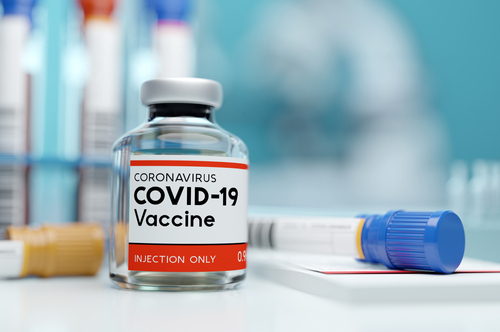
One groundbreaking technology that has gained prominence during the COVID-19 pandemic is mRNA (messenger ribonucleic acid) vaccines. Both the Pfizer/BioNTech and Moderna COVID-19 vaccines utilize this approach. But what exactly are mRNA vaccines, and how do they work?

  • mRNA is a component found in all living organisms. Its primary role is to carry instructions from our genes (encoded in DNA) to the protein-making machinery within our cells.
  • In the context of vaccines, synthetic mRNA is used to deliver instructions for creating a harmless piece of protein identical to one found in a specific virus or bacterium.
  • Our cells then produce this protein, triggering an immune response.
  • Once the protein is assembled, our immune system recognizes it as foreign.
  • Antibodies are produced to attack the protein, preparing our immune defenses.
  • If we encounter the actual virus later, our immune system is primed to respond effectively.
  • After the immune response, the mRNA instructions from the vaccine break down naturally.
  • Our immune system retains memory for producing antibodies, but booster shots may be necessary over time.

Advantages of mRNA Vaccines

mRNA vaccines can be swiftly tailored to different diseases or variants by modifying the mRNA sequence. This adaptability is crucial for responding to emerging pathogens.

Researchers can personalize mRNA vaccines to target specific antigens which enhances their effectiveness.

Potential for Universal Vaccines:

While current mRNA vaccines are pathogen-specific, the technology holds promise for universal vaccines. By targeting conserved elements shared across strains, mRNA vaccines could provide broader protection.

The Road Ahead

Scientists continue to explore novel targets for universal vaccines. For instance, researchers have identified the N (nucleocapsid) protein of SARS-CoV-2 (the COVID-19 coronavirus) as a potential universal vaccine candidate due to its low mutation rate. As we invest in mRNA research and development, we move closer to a future where universal vaccines play a pivotal role in safeguarding global health.

In summary, universal vaccines represent a paradigm shift—a departure from strain-specific immunity toward broader protection. As we learn more about these groundbreaking approaches, we inch closer to a world where infectious diseases are met with powerful and adaptable defenses.

How AI is helping people cope with the loss of their loved ones

Losing a loved one is one of the most painful experiences that anyone can go through. The grief and longing can last for years, and sometimes it feels like there is no closure or comfort. But what if you could still talk to your deceased relative, hear their voice, and see their face? Thanks to advances in artificial intelligence (AI), this is becoming a reality for some people.

AI is a broad term that refers to any technology that can perform tasks that normally require human intelligence, such as understanding language, recognizing images, and generating content. In recent years, AI has been used to create realistic and interactive avatars of people who have passed away, using a combination of tools such as chatbots, image generators, and speech synthesizers.

One of the companies that offers this service is HereAfter AI, a California-based startup that creates “Life Story Avatars” of the deceased. The process involves interviewing the person while they are still alive, or their family and friends after they die, and recording their life stories and memories. Then, using a chatbot powered by ChatGPT, an AI model that can generate natural and coherent conversations, the company creates a digital replica of the person that can answer questions and chat with the users. The avatar can also speak in the recorded voice of the person, and show their face using an image generator called Midjourney.

The company’s goal is to let the living communicate with the dead, and preserve their legacy and memory. According to the company’s website, the Life Story Avatar can help users “reconnect with their loved ones, learn from their wisdom, and celebrate their lives”. The company claims that the technology can provide comfort and closure to the grieving, and help them cope with their loss.

Another example of using AI to recreate the deceased is Deep Nostalgia, a tool developed by MyHeritage, an online genealogy platform. The tool allows users to animate old family photos, and make them move and smile. The tool uses a deep learning algorithm called DeepFaceLab, which can manipulate facial expressions and movements. The tool is intended to bring old photos to life, and make them more engaging and emotional.

The tool has been widely popular, with millions of users uploading their photos and sharing the results on social media. Some users have used the tool to animate photos of their dead relatives, and see them in a new light. According to the company’s blog, the tool can help users “experience your family history like never before”.

However, not everyone is comfortable with the idea of using AI to create versions of their dead relatives. Some critics argue that the technology is unethical, creepy, or disrespectful to the dead. They also warn that the technology could have negative psychological effects on the users, such as prolonging their grief, creating false memories, or losing touch with reality. They also question the accuracy and authenticity of the AI-generated avatars, and whether they truly represent the personality and identity of the deceased.

Moreover, some people may not have given their consent to be recreated by AI, or may not have been aware of the implications of doing so. This raises ethical and legal issues, such as who owns the data and the rights to the digital replicas, and how they can be used or abused by others.

Therefore, using AI to create versions of their dead relatives is a controversial and complex topic, that involves both technological and human factors. While some people may find it helpful and healing, others may find it disturbing and harmful. Ultimately, it depends on the individual’s preferences, beliefs, and values, and how they choose to use the technology. As AI becomes more advanced and accessible, it is important to be aware of the benefits and risks of using it, and to respect the wishes and dignity of the dead and the living.

Humanoid Robot Factory

A factory that aims to create 10,000 robots per year that can walk and work for companies like Amazon will soon be opening in the Pacific Northwest. Agility Robotics plans to move from its current factory in Oregon to a new, much larger, plant in Salem. Dubbed the “RoboFab” plant, Agility Robotics will become one of the largest producers of robotics in the United States.

“We’ve placed a very high priority on just getting robots out there as fast as possible,” Agility Robotics CEO Damion Shelton explained. “Our big plan is that we want to get to general-purpose humanoids as soon as we can.”

Amazon is currently testing Agility Robotics “Digit” model in its factories. Agility is part of the Amazon Industrial Innovation Fund and has been developing Digit for several years. Digit is a human-centric, multi purpose robot created for logistics work. It can handle items and is similar in size to its human colleagues. Initially its role will be to complete the monotonous and highly repetitive process of picking up and moving empty totes, and not (currently) to replace the Amazon workforce.

“Digit’s size and shape are well-suited for buildings that are designed for humans, and we believe that there is a big opportunity to scale a mobile manipulator solution,” said Emily Vetterick, Amazon Director of Engineering. “Collaborative robotics solutions like Digit support workplace safety and help Amazon deliver to customers faster, while creating new opportunities and career paths for our employees.”

To date, Agility has only produced 100 robots, but the move to the new RoboFab plant will enable the company to fill the growing backlog for Digit and scale up production dramatically.

Where this will leave human workers as the development of humanoids increases, we don’t know, although Amazon has attempted to comfort workers by claiming that the 750,000 robots it uses, generated 700 new jobs for humans.

On the other side of the world China is also encouraging its private sector to rapidly increase facilities and output of humanoid robots to become the world leader by 2027. The Ministry of Industry and Information Technology released the following statement asking the manufacturing sector to “establish a humanoid robot innovation system, make breakthroughs in several key technologies and ensure the safe and effective supply of core components by 2025, and to become the global leader in the tech by 2027.”

In addition it requested development of the “brain,” “cerebellum,” and “limbs” of humanoid robots aided by Artificial Intelligence capabilities, that could be used in “harsh” or dangerous conditions, not just as support in factories.

The mass production of humanoids is bringing the age of the robot closer, and as their uses become more obvious in areas outside of the factory, could the human race eventually become unemployed? Could it become threatened by a humanoid military, particularly if AI is built into it?

Solar Power

With the urgent need to find a cleaner replacement to fossil fuels as a source of energy – solar, wind and tidal energy sound like they are the best alternative. And the planet certainly needs one. Global temperatures are climbing, as evident from the wildfires that swept across the globe during 2023, sea levels are rising, ice caps are melting, and some naturalists believe we have already entered the next mass extinction event. But with governments and big businesses being slow in their attempts to hit targets for reducing emissions it’s easy to think that time is rapidly running out.

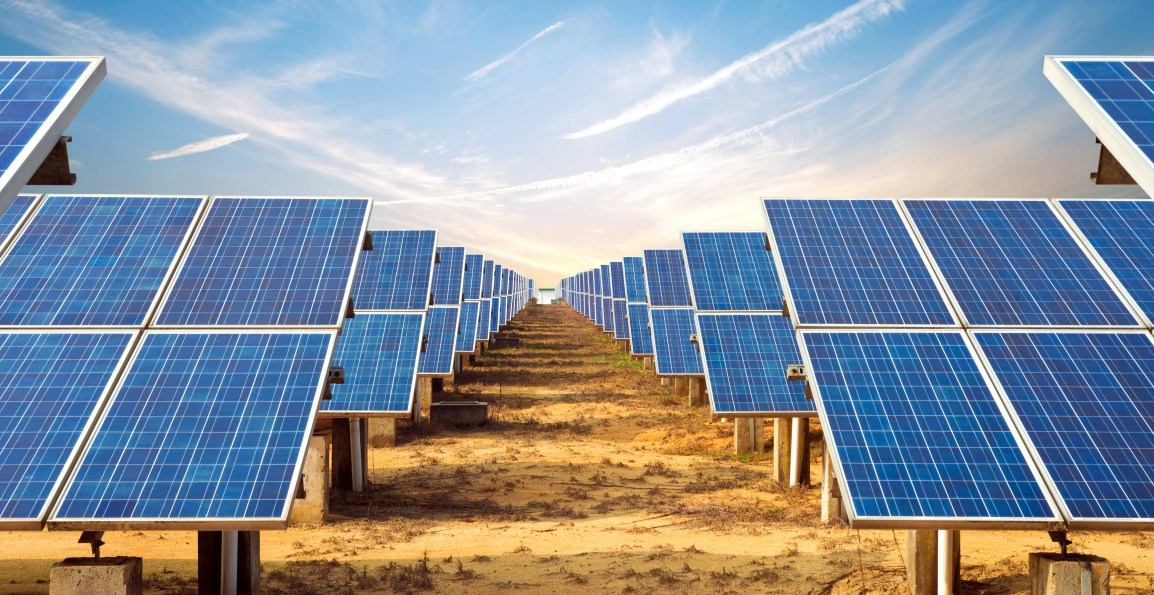
But, all might not be lost. At the current rate of growth, it appears that solar power could potentially be on track to become the dominant power source by 2050. Decreasing costs in solar panel construction are partly to thank for this potentially good news. Researchers in the UK used simulated scenarios that looked at 22 different types of energy, including nuclear, and found that solar was most likely to generate 50% of all energy in 72% of the scenarios they generated.

“We currently have a fossil fuel-dominated system and without additional policies, we arrive at a state that’s dominated mostly by solar,” explained University of Exeter lecturer and study lead author Femke Nijsse.

Sadly, it’s not as simple and straight-forward as you might expect. There are factors and uncertainties which could still create hurdles for solar power adoption. The most obvious is the instability of energy production and how that might affect the power grid. The level of sunlight varies every day, fluctuating the level of power. To overcome this better infrastructure of power grids would need to be implemented together with more efficient batteries to store excess power on good days.

While the adoption of solar power in wealthy countries is easier to integrate, developing countries and those with political instability may find financing change a lot more difficult, especially if there are job losses associated from the fossil fuel industry such as a decrease in demand for raw materials and the supply chain that surrounds it. This could be offset by the creation of new jobs for mining the different metals needed to create a solar panel.

The prospect of solar becoming a dominant source of power in the future faces various challenges, but at least it is more environmentally friendly than burning fossil fuels. However, there are a growing number of voices suggesting that nuclear might be the way forward. Long branded dangerous and not environmentally friendly by groups such as Greenpeace, despite a third of the clean energy in EU coming from nuclear power.

“Greenpeace is stuck in the past fighting clean, carbon-free nuclear energy while the world is literally burning,” complained 18 year old climate activist Ia Anstoot. “We need to be using all the tools available to address climate change and nuclear is one of them.”

Additionally Greta Thunberg has also changed her stance on nuclear power, admitting that nuclear plants in Germany should be kept running – at least in place of coal.

As the climate situation becomes more urgent every year, could a nuclear/solar power combination be the answer? Whichever direction the planet decides to go, all agree that burning fossil fuels must be drastically reduced.

Electric Vehicles going the distance.

The most common complaint held by motorists against electric vehicles is the distance they can travel before needing to be charged up. For long journeys it necessitates lengthy stops every couple of hundred miles to recharge the battery, significantly adding additional time to a long journey. Not only that, but the number of charging points at highway services is still very low compared to the growing number of electric vehicles that join the roads every year.

However, that all might be about to change. In Germany, the Technical University of Munich has built an electric vehicle called “muc022” which has travelled 1,600 miles on just a single charge, smashing the current record for the longest distance driven without recharging. Amazingly, the students in Germany managed the 1,600 miles with just a 15.5 kilowatt-hour battery. Previously the 2023 commercially available Lucid Air vehicle had managed a 516 distance mainly due to a 118 kilowatt-hour battery. But at a base price starting at $140,000 it’s not going to be in most people’s budget.

Muc022 is a wedge shaped single seater vehicle and weighs just 375 pounds. It’s designed to reduce weight and air resistance to a minimum, stripping away luxuries, travelling at a consistent speed of 26mph, meaning there is no option for additional power draining luxuries such as Air Conditioning or music.

The previous distance record was achieved way back in 2017 by global tech company IT Asset Partners. Their vehicle, named The Phoenix, was made from 90% recycled waste, and managed to travel 999 miles on one charge.

Other recent developments in the Electric Vehicle world include the amazing acceleration power of a mini racer from 0 to 62mph in less than one second, powered from a battery! Built by the Academic Motorsports Club Zurich, the 309 pound vehicle was built from “in-house” components, including lightweight carbon and aluminum honeycomb structures. With 326 horsepower, the problem of “sticking” itself to the ground during acceleration was overcome with a device that worked in a similar way to a vacuum cleaner.

Not to get left behind, US carmaker Dodge is expected to release an all electric muscle car soon, but with a slightly different twist. “The company’s upcoming EV will “tear up the streets, not the planet,” Dodge CEO Tim Kuniskis said. He also explained the Dodge would not be selling electric cars but will instead be making “American eMuscle” in an attempt to promote electric performance vehicles. “Our customers purchase an experience, not a technology,” explained Kuniskis.