
Up until now, quantum computers have been merely science fiction, relegated to TV shows and sci-fi novels, and the dreams of scientists and computer geeks the world over. But that could soon change. As our computing technology becomes faster and smaller we are coming ever closer to the elusive quantum computer.
 The basic difference between classical computing and quantum computing will be the speed at which the computer is able to solve problems. With classic computers, the general thought is that problems that we can’t solve in any reasonable amount of time with just good old plain human brain power, can be solved relatively quickly. But with quantum computers the size of the problems we will be able to solve will seem astronomical compared to what today’s computers are capable of.
For the average person, a quantum computer may not do much to change their everyday lives, or at least not in the way that most people use computers today. Record keeping, sending emails and social media will likely not be changed much by these amazing new computers, but the way we interact with encrypted data will certainly see some changes. What will change for sure is the way scientists solve major problems, things like how to cure diseases, discovering new medicines, changing the molecular structure of materials like plastic (think of all those water bottles in landfills and what would change if they were biodegradable) and maybe even finding new ways to travel to other planets, or solve major world issues like poverty.
Beyond the question of what we will actually be able to do with a quantum computer is how exactly to build one. The biggest obstacle will likely be how to transport information within the computer. There are two options and to understand either you have to know that qubits (quantum bits) in classic computers can be 1 or 0, whereas in quantum computing the qubits can be both at the same time.
 But perhaps the most important thing that quantum computing will bring to our current technological state is the new tech that we will have to create in order to build a quantum computer. The National Science Foundation has announced plans to officially pursue the knowledge necessary to get us there with their new STAQ (Software-Tailored Architecture for Quantum co-design) project. The project will be bringing together scientists, programmers, engineers, and physicists from around the country to get the job done, with a cool $15 million dollar budget and a 5 year set proposal to see the world’s first quantum computer.
The NSF is not the only agency to be on the path to quantum computing though – IBM and Google are both on the bandwagon as well. But the NSF is an academic study, whereas the privatized companies that are making their own way towards quantum computing may have some limitations to what they can delve into and how their quantum computing could be used. Regardless of who builds the first quantum computer, it seems that the future is very close indeed.

 Despite not reaching sales goals, the companies investors remained positive. In 2006, all Segway PT’s sold since launching were recalled due to a software malfunction that caused the machines to reverse and had the potential for injuring riders. In late 2009, millionaire businessman Jimi Heselden bought the company but then died in a freak accident just a few months later when the Segway he was riding went off a cliff.
 While it seems the company has been revived by its new owners and is likely to see some better sales with these newer products and better marketing (after all, the original Segway PT only sold some 30,000 units), it seems a bit unclear whether these new e-skates will really be the personal transport of the new generations.
 Historically, the Russians have a lot of ‘firsts’ under their belt in the space exploration arena. The first living Human Being to orbit Earth in 1957, the first manned spaceflight in 1961, the first spacewalk in 1965, the first unmanned landing on a celestial body other than Earth in 1966, and the first space station in 1971 can all be attributed to Russia.
 Space tourism has become a recent addition to our knowledge and use of the outer atmosphere as well. Many people dream of going to space and a handful of companies have recently unveiled plans for luxury hotels, spaceflights, and private space stations.
 Recently though, there have been advancements made in renewable energy resources, solar and wind power particularly, and these new sources of energy are causing fossil fuels to be less necessary.
 Old technologies are often eclipsed by up and coming ideas and are often deemed obsolete after a time when more efficient means of producing results are generated. The fossil fuel industry is likely headed in this direction given the popularity of renewable resources and the fight on carbon pollution.

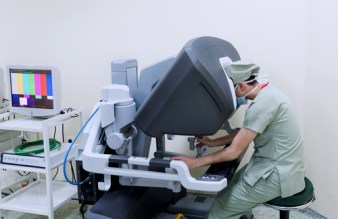 Operating the PRECEYES system involves the human surgeon using a joystick to control a highly mobile mechanical arm. In this case, the doctors have the ability to attach multiple instruments onto the arm. Due to the fact that the entire system is electronically operated, the robotic arm would not suffer from any jolt or tremor that can plague even the steadiest handed surgeon around.
 However, when the same surgery is conducted without the help of the robot, the surgeon has to do the job by hand, while manipulating microsurgical instruments, even as he looks through a powerful operating microscope.
 R. E. KEARNEY