
Global warming on the planet is being caused by an overwhelming amount of heat trapping gases in the atmosphere, due mainly to human pollution. This is causing a significant rise in sea levels, which have been going up between 0.04 and 0.10 inches annually since 1990. This is approximately twice the average speed in which it went up in the previous 80 years. There are three main ways in which global warming is causing a rise in sea levels. These are:
Thermal Expansion – The hotter water is the more it expands, and as the earth’s temperature increases sea water expands to take up more space in the ocean basin. The land masses create a boundary for the water and since there is nowhere else for it to go, the levels of the seas constantly rise.
The Melting of Glaciers and Ice Polar Sheets – Every summer a significant part of the world’s glaciers melt. In winter this part is replaced by snow, caused by evaporated sea water, which freezes to reform ice sheets and glaciers. In this way the height of the ice sheets normally remains the same. Unfortunately, with the higher temperature caused by global warming more of the ice is melting each year and less snow is falling to replace it. Seasons are also affected by global warming, causing late winters and early springs that mean more ice will melt.
 Ice Decreasing in Greenland and West Antarctica – The ice sheets that cover these areas are melting at a significantly increased rate. Ice streams become water and move into the sea faster every year. The Antarctica ice shelves are even melting from below sea levels, and large chunks of ice break off and float away to melt in warmer waters.
The Effects of Rising Sea Levels
40% of the world’s population lives in an area that is on or near the coast. The damage that can result from rising sea levels puts millions of lives at risk and creates the potential for an extensive amount of property damage. The higher water levels mean that storm surges will occur more frequently. This threatens the natural protection of the sea, and barrier islands, beaches, mangroves and sand dunes retreat inland or end up under water. The impact this has on the area is the destruction of the habitat of many birds, fish, other animals and plants that we rely on either directly or indirectly for sustenance. Man-made protective structures are also at risk and those that are not simply swept away, suffer from foundational erosion.
Our drinking water and agriculture is also being negatively affected. Salt water from rising seas can enter pipes and contaminate the fresh water supply. If the water levels get much higher unpredictable flooding can occur and agricultural and grazing fields will be covered, killing both plants and livestock.
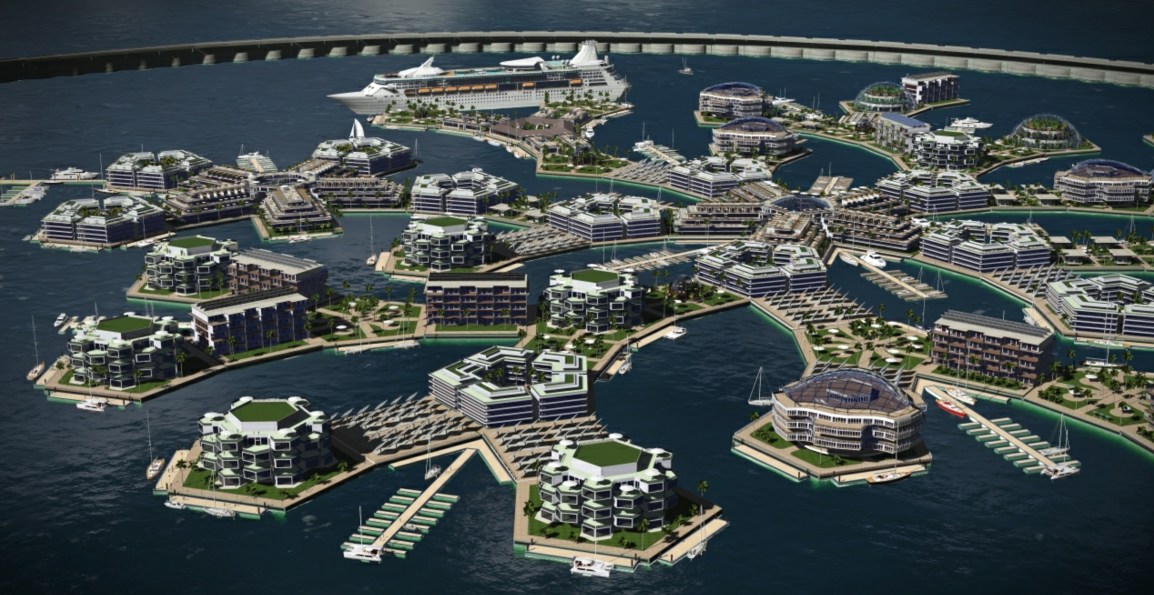
Global warming is already forcing massive human migrations. In the central tropical Pacific, the 112,000 citizens of the island-chain nation of Kiribati (pronounced Kirri bas) are being forced to abandon their homes and their islands due to ocean flooding. Many of the Kiribati citizens are now living as landless, nationless, climate refugee in camps in Australia. The ocean inundated Kiribati island of Kiritimati (pronounced Christmas) is the location of the seasteaded city of Venus in the science based fiction, Endless Fire Future Furies.
Unless we take drastic action to decrease global warming, scientists have predicted that sea levels will continue to rise. In as quickly as a couple of generations, our descendants may not be able to even see the same places that we now know and love.


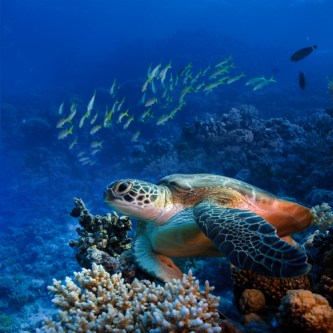 The core mission of the United States Navy is to meet America’s global security commitments at sea. In order to do this they are continuously carrying out tests and training, in the major water bodies surrounding the country. These include using sonar technology and carefully monitored underwater explosions. The effects of these tests on marine life are still not completely understood. In order to ensure that the animals are being protected as well as possible the US Navy monitors and reports conditions that might affect them, following guidelines which are outlined under the Endangered Species and the Marine Mammal Protection Acts.
 Marine Mammal Ecology and Population Dynamics.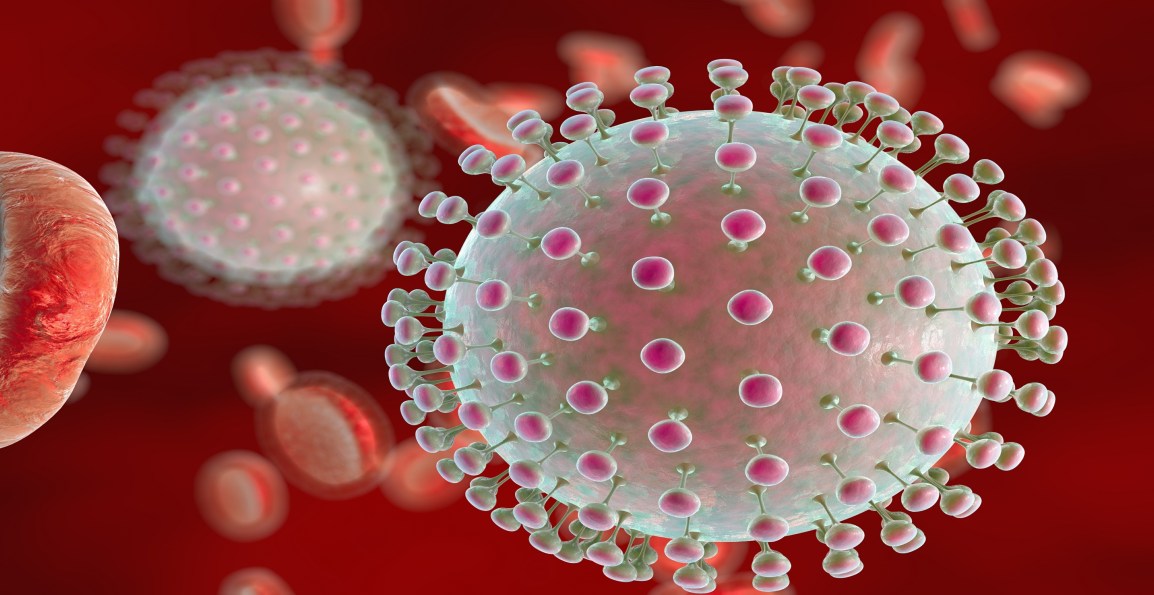
 Ebola is one of the viruses that is currently associated with many human deaths. It is believed to have originated in bats in West Africa, and is transferred in humans quickly and easily through contact with those that are affected. It is associated with an extremely high fatality rate, as approximately 50% of those that are infected end up dying from the virus. The symptoms are very flu-like in appearance but quickly escalate to include nausea and diarrhoea. In order to find a cure or vaccine to help decrease the amount of people that die from the virus, scientists are continuously studying the survivors.
 Even though the regular influenza virus is responsible for a large number of deaths each year, it becomes even more dangerous when a new strain develops. One example of an influenza epidemic was the outbreak of the Spanish Flu in 1918, where in excess of 40% of the world’s population got sick and more than 25 million people died. Another strain of influenza that has proved fatal in more modern times was the swine flu (H1N1 virus) attack in 2009.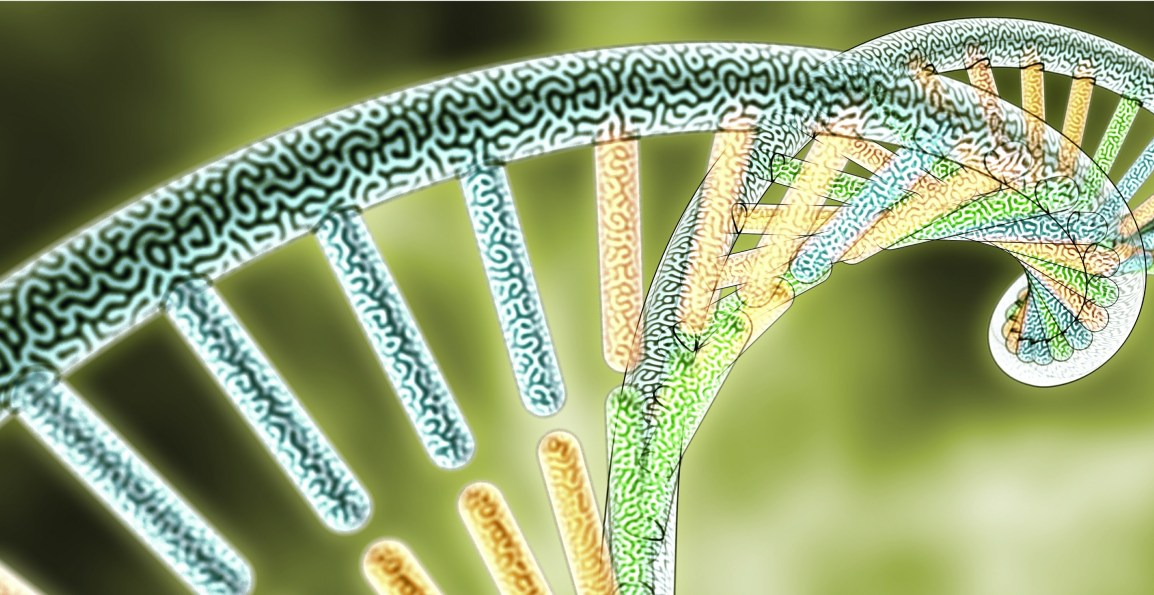
 ‘Gene therapy’ is currently as far as human genetic engineering has extended, meaning that the process is applied to non-reproductive cells. Doing this has facilitated the ability to find cures for certain diseases. As a result, it has become a revered application in the medical field.
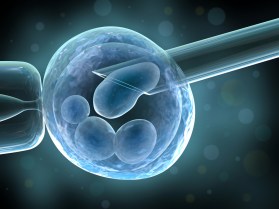 China isn’t the only country experimenting with human genetic engineering, and in the western world there is a lot of development in the field as well. In the United States, James Grifo has found a way to transfer cell nuclei from eggs of older women to younger ones with the aim of overcoming infertility. The infants that will be born, from these eggs, will genetically have three parents.
 Targeted Drug Delivery Capsules – Developed with the aim of getting medication straight to the targeted cells, it is hoped that these capsules transform the way in which we treat cancer patients. The drugs are transported in nanoscale capsules and move through the body towards the sick cells. When they are within the correct range they will release the medication, which attacks and kills the cancer cells but doesn’t harm the rest of your body.
 Electricity Generating Viruses – Scientists have discovered that when pressure is applied to certain viruses, they are able to convert it into electricity. This concept means that in the near future we will be able to start powering our kitchen appliances by stepping on a mat made of viruses on the floor, or similar methods.
 R. E. KEARNEY