
Nanotechnology, being conducted at such a small scale, was once thought of as beyond our capabilities. The microscope that allows us to see Nano particles has only been available in the last 30 years, so all of the relevant advances have taken place since then. With the constant developments in the field, nanotechnology has been integrated into our lives without us even being completely aware of when it happened. The way in which nanotechnology works is by controlling individual atoms and molecules, and as technology increases its uses are guaranteed to expand.
One of the areas where nanotechnology is currently making the biggest impact is in the medical field, helping to revolutionise the way we detect and treat disease. It is currently used in wound dressings to cease excessive bleeding, to help in early recognition of plaque build-up in arteries, and gold nanoparticles can detect Alzheimer’s in its early stages. Other big achievements in the field include:
Artificial Muscles – Made from billions of microscopic, straw-like carbon nanotubes which have been twisted together, these muscles move in a similar way to an elephant’s trunk and squid’s tentacles. They are able to change their shape in response to stimuli, and with this there is great potential in terms of propelling medication throughout the body.
 Targeted Drug Delivery Capsules – Developed with the aim of getting medication straight to the targeted cells, it is hoped that these capsules transform the way in which we treat cancer patients. The drugs are transported in nanoscale capsules and move through the body towards the sick cells. When they are within the correct range they will release the medication, which attacks and kills the cancer cells but doesn’t harm the rest of your body.
Nanotechnology is also being used in other areas, and some of the ways that it is creating a difference are with:
Self-healing Plastic – Made to respond to damage in the same way as human skin, by bleeding and then healing (much like the terminator does), this material will be able to fix itself in the case of any damage. It won’t be very long before this technology is being used on vehicle fenders and the outside of aeroplanes.
 Electricity Generating Viruses – Scientists have discovered that when pressure is applied to certain viruses, they are able to convert it into electricity. This concept means that in the near future we will be able to start powering our kitchen appliances by stepping on a mat made of viruses on the floor, or similar methods.
Like all other technological advancements, there is more that is surfacing about nanotechnology every day, and within a short period of time other methods that include it will be employed to make our daily lives easier. The feats that have already been accomplished using this technology are proof that objects don’t need to be big in order to make a gigantic difference in our world.

 can see. After a battle between Harbisson and the British government, the eyeborg is now acknowledged as a part of his body.
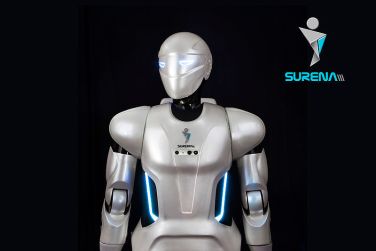
 You can download a copy of Future Furies on your kindle for FREE today by visiting Amazon.

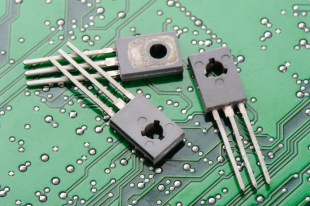 Without the transistor, pretty much all the technology we take for granted today wouldn’t exist – or if it did, our home computers would be the size of Belgium. The basic building block of everything electronic, the transistor is widely credited to Bell Labs’ William Shockley, who based his own research on findings by John Bardeen and Walter Brattain in 1947.
 The Mouse.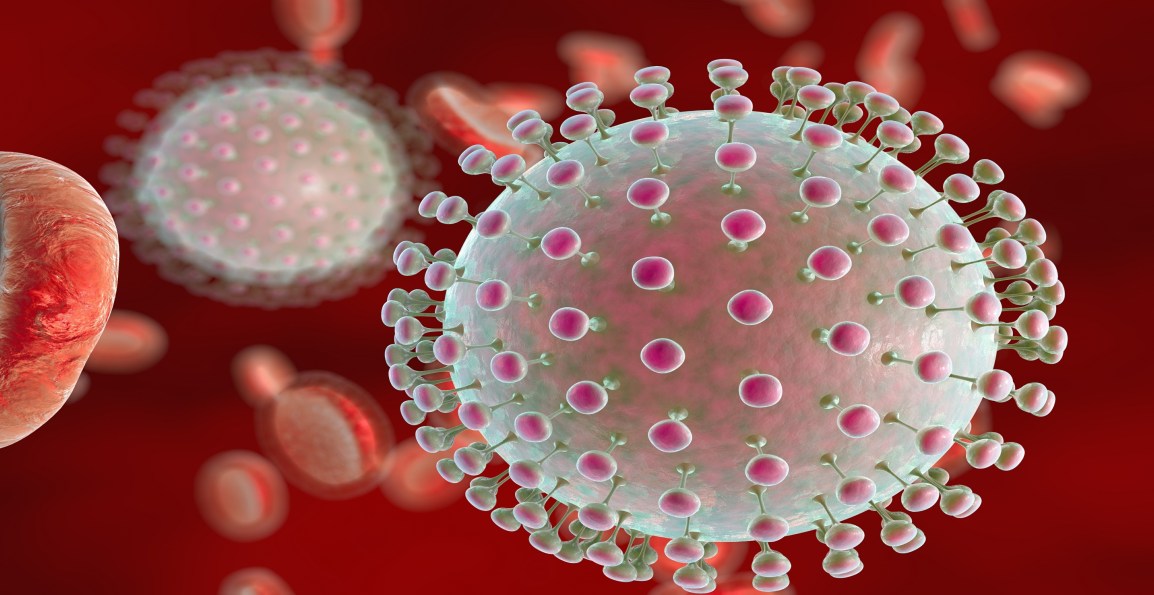
 Treatments for viral diseases have generally stayed far behind treatments for bacterial diseases. One reason for that is simply because scientists have been working on antibacterial treatments for longer. Viruses are also much smaller than bacteria, and they have fewer genes or proteins to target with treatments. Viruses also mutate much more quickly than bacteria, so any therapy that is developed may no longer work after a short time.
 R. E. KEARNEY