The second book in the Endless Fire series is now available to pre-order. Release date – 9 October. If you can’t wait that long there’s a downloadable free preview at the bottom of this page!
Afire with fever the small boy cries out. He feebly begs for his mother. She cannot cradle him. She cannot love him. She is dead. Killed by the same plague raging ruin upon the little boy.
A deathly disease – an unstoppable superbug epidemic – is ravaging America. Thousands have died. Millions more may die. Nobody is immune. Nobody is safe.
Across Puerto Rico, Robert Goodfellow and a team of genetic scientists are racing to discover a medicine to stop the slaughter. Time and the superbug epidemic are not the only enemies seeking to stop them. Teams of killers are pursuing them. They are in a battle for their lives and our lives.
Time is running out. Will Robert and the genetic scientists find the medication that will save mankind? Or will they die trying?
AVAILABLE NOW TO PRE-ORDER
DOWNLOAD A FREE SAMPLE
Download an exclusive preview of Aethon Arises with my compliments. Just click the button below and a pdf file will be automatically downloaded to your device.
Fusion energy is the process that ‘powers’ the stars, including our sun, making all life on Earth possible. As our planet’s need for a sustainable solution to global energy increases, scientists are putting more effort into researching the ways that in can be created. Fusion energy is produced by fusing light atoms, such as hydrogen, at the extreme temperature and pressure existing in the center of the sun. At this heat all gases turn to plasma, which is the fourth state of matter and an ‘electrically-charged gas.’ In this state, negatively and positively charged atoms are separated. Scientists believe that as much as 99% of the Universe is made up of plasma, even though it is rarely found on Earth.
To replicate the fusion process, gases need to be heated to over 30 million degrees Celsius. This will completely ionize all atoms. The easiest reaction to duplicate occurs between two hydrogen isotopes: deuterium and tritium. When these two elements fuse they form a helium nucleus, a neutron and a significant amount of energy.
Devices have already been constructed that are capable of producing these extremely high temperatures. A ‘cage’ is created by strong magnetic fields, in the device, that minimizes thermal loss and allows the plasma to be confined long enough for fusion to occur. The tokamak, a donut shaped magnetic chamber, is presently the most advanced of these. Scientists have used it to create temperatures ten times higher than the center of the sun, producing megawatts of power for a few seconds.
Tokamak à Configuration Variable. Courtesy of CRPP-EPFL, Association Suisse-Euratom
Earl Marmar, the head of MIT’s Alcator C-Mod tokamak fusion project, has projected the use of nuclear fusion as a power source by the 2030s. The scientific community are already familiar with how the fusion creation process works, and how to replicate it. There still needs to be extensive research conducted in how to sustain the nuclear fusion once it has been produced, however. Several solutions to this problem are currently being researched including: decreasing the size of the donut hole in the tokamak to harness more energy, or increasing the strength of the magnetic field sustaining the plasma.
To meet the 2030s deadline, when the world’s urban population will have risen significantly, this research may need to be accelerated. Marmar believes that this pressure should be viewed positively, as it motivates the team. Climate change, and continue urbanization, mean that the sooner we are able to produce cost-effective, nuclear fusion energy that can be maintained; the sooner we will be able to help the planet heal from the negative effects of current power sources and expand energy provision.
Meditation has been practised for thousands of years to calm the mind and increase one’s awareness of self. It is widely used by spiritual leaders, and is highly recommended to combat the stresses of modern day life. A meditative state can be achieved by disconnecting from external distractions and focusing on the source of life…the breath. The benefits of meditation are endless and include: less anxiety and an increased ability to deal with stressful situations. Scientists have proven where regular meditation stimulates the sections of the brain that help overcome anxiety and depression, as well as increase pain tolerance. Other ways in which meditation can change the brain are:
Changes in Brain Waves
People that meditate regularly have higher levels of alpha waves which reduce negative feelings, and thoughts.
A Change in the Density of Grey Matter
In studies conducted, after eight weeks of meditation the grey matter in the brain associated with learning, memory and emotion was more dense. In addition, those areas of the brain associated with fear and other negative emotions had decreased grey matter. There was also increased grey matter in areas of the prefrontal cortex, responsible for planning, problem solving and regulating emotions.
Stimulation of the Hippocampus
In meditators, there is an increased cortical thickness in the hippocampus, which is the area of the brain responsible for learning and memory. Resting the mind through meditation also improves self-awareness, as well as increases goal setting and motivation.
Slows Down our Thought Patterns
Mindfulness meditation has also been shown to change the brain in ways that help to boost relationships with others. It causes the decreased activation of our ‘monkey mind’ (Default Mode Network), which is responsible for the constant stream of thought in our heads. These thoughts lead to rumination and a decrease in overall happiness. Mindfulness stimulates our brain to slow down and create deliberate thought patterns. The result is a more aware, less receptive mind and lifestyle, a decrease in our judgement of others and an increased ability to accept them. This in turn boosts our positive interactions with others.
Other Benefits
Meditation also increases the heart rate to more effectively transport oxygen and carbon dioxide through the body. Mediators are more likely to resist diseases as their system produces more antibodies, and those that are sick can use it as a tool to help with their recovery. Scientists think that shortened telomeres in our bodies help to make us ill. These special protein complexes protect our DNA. Studies have shown where meditation promotes the lengthening of telomeres in cancer survivors, effectively helping them combat the disease.
Clustered Regularly Interspaced Short Palindromic Repeat (CRISPR) is a revolutionary gene editing technology that enables efficient, accurate genome modifications, in a large number of organisms and tissues. The procedure was first identified in a prokaryotic defense system, and consists of sections of genetic code that contain short repetitions of base sequences, followed by spacer DNA segments. Jennifer Doudna compares the simple corrective procedure to a word-processing software that allows someone to correct a typo in a hefty document. The ease and low cost with which the technology can be used, render the possibilities of its application endless.
The process works to edit genes by capturing a short nucleic acid sequence from an invading pathogen, which is then integrated into the CRISPR loci amongst the repeats. This causes small RNA to be reduced by the loci, which can then be used to guide a set of end nucleuses to resist the attacks of invading pathogens in the future. There is ongoing research into using the technology to treat diseases such as cancer, sickle cell anemia and some forms of blindness. The possibility has also be raised that CRISPR can be used as a cure for Duchenne muscular dystrophy, and The Salk Institute is researching ways in which they can modify it to produce a pig with transplantable human organs.
They are not the only ones that believe that the technology will work well on animals, as Chinese scientists have already used it to delete genes that inhibit muscle and hair growth in goats. This has allowed for the expansion of the country’s meat and wool industries. There is also a team researching ways in which CRISPR can boost agricultural output, by creating super plants. These plants will be modified to resist fungi, and other things that may restrict their growth.
Cas9 is one of several restriction nucleuses that enables the editing of genes using CRISPR. It works as a molecular scissors, and uses a synthetic guide RNA to introduce a double strand break at a specific location on a DNA strand. This gRNA directs the cut through hybridization with its matching genomic sequence. During each procedure, a DNA construct with three major components: the Cas9 enzyme, gRNA and the replacement DNA template; is injected into an organism to modify its genes.
After the procedure has been applied and the cell attempts to repair the break, there is the possibility of added genetic modifications or an error occurring. Modified Cas9 versions prevent this from happening as they introduce single-strand nicks to the DNA, which pair up to stimulate the repair mechanism. Scientists agree that the CRISPR method is easy to use, but comes with huge moral responsibilities as it has the power to change the way in which humans, and other organisms, evolve. As the technology is applied in more experiments, possible immoral actions will need to be avoided.
Futuristic movies often have flying cars as a means of transport around busy cities. German company, Lilium Aviation, has been working to take this mode of transportation out of the movies and make it a reality. With more than 40 international designers, engineers and enthusiasts working around the clock, they have created the Lilium Jet which the company refers to as ‘the world’s first entirely electric, vertical take-off and landing jet.’ If Lilium Aviation’s goals are achieved, this is just the beginning of an era in which people can book a flying car, instead of calling an Uber.
The jet’s first successful remotely piloted test flight has recently taken place, and the company expects to conduct a manned one soon. In addition to flying as expected, the vehicle has many unique features in its design. It is a two-seater that takes off vertically, but once in the air it accelerates towards forward flight. It can reach faster speeds than cars and helicopters, and also uses 90% less energy than a drone. The vehicle is also shaped like a computer mouse, with 10 metre long wings that are responsible for its power. There are 36 jet engines, on these wings, which have been mounted on 12 movable flaps. At take-off the flaps point down allowing the aircraft to rise vertically, after which they gradually tilt into a horizontal position to facilitate it thrusting forward. A 1000 pound electric battery enables the jet to reach a maximum cruising speed of 300 km/hr and achieve a range of 300 km.
While the company’s achievement in creating the Lilium Jet is spectacular, they have no intention of stopping there. Their aim is to expand their product into a five passenger vehicle, which will become an on-demand option in crowded, urban areas. This will eventually replace less convenient, ground cabs with a more cost effective, in-air journey. Even though there are several obstacles that the company will have to overcome, such as; setting up take-off and landing structures and getting approval and certification for flights in public air space; they are diligently working towards their goal.
The vehicle has several features which make it a more efficient power consumer than other electric aircrafts. These include: the current battery, with a range limit of 482 km, which co-founder Patrick Nathan says will be enough to achieve the company’s ultimate goal, and its vertical take-off and landing abilities, which greatly increase the range of places it can leave from. All the vehicles that Lilium Aviation are currently developing will run on renewable energy sources, which will also be to their advantage, as electric powered aircrafts are currently the biggest step in using clean energy sources for all our transportation needs.
The damaging effects of the Zika virus on newborns, has created an urgent need to eliminate its source. The virus is especially dangerous because most adults show no symptoms when affected, and pregnant mothers pass it on to their babies unknowingly. The Zika virus, like many others, is spread by mosquitos. Researchers have found that they can decrease the spread of the disease by getting rid of the carrier. They have started to release infertile male mosquitos into the environment, which then mate with the deadly female mosquitos, who are unable to produce offspring. The method has already been used by several countries to decrease the spread of mosquito-borne viruses. The success rate in these areas has been quite high and their mosquito population is slowly dying out.
Verily is a branch of Google’s parent company, Alphabet that conducts scientific research. The department has developed a robot that is able to raise mosquitos in a lab environment. The robot is equipped with custom built machinery that allows it to raise up to one million mosquitos per week. The males are then separated from the females, because they don’t bite humans. They are infected with a naturally occurring bacteria, Wolbachia, that causes their infertility. The Verily project has already begun its first widespread use of the experiment, by releasing 20 million mosquitos into Fresno County, California.
The project has been named ‘Debug,’ and aims to use technology to increase the number of sterile bugs being released into the environment. The main methods that it is promoting are bug raising robots, bug tracking sensors and bug sorting algorithms. The mosquito is the animal that causes the highest number of human deaths each year. Verily aim to help significantly decrease, and eventually completely eradicate, the spread of these dangerous mosquito-borne diseases, such as Dengue Fever and Zika.
This is the first mosquito release project in the United States that is being conducted using autonomous methods. Verily’s system allows for the release of more mosquitos, in a significantly shorter time period, than other methods which are conducted manually. The Fresno County project is the largest one that has been attempted thus far. Linus Upson, a Verily senior engineer, said that to help a larger number of people, the mosquitos need to be more widely distributed and monitored at a reasonable cost. The company is planning to recreate their Fresno County project in Australia later this year, to show that the procedure can be successful in different climates and areas.
The Environmental Protection Agency (EPA) is responsible for regulating the mosquitos that are released by Verily. Under the ‘microbial pest control’ requirement, the EPA has concluded that altered mosquitos, such as those being released by Verily, currently pose no threat to the environment.



 DOWNLOAD A FREE SAMPLE

 Devices have already been constructed that are capable of producing these extremely high temperatures. A ‘cage’ is created by strong magnetic fields, in the device, that minimizes thermal loss and allows the plasma to be confined long enough for fusion to occur. The tokamak, a donut shaped magnetic chamber, is presently the most advanced of these. Scientists have used it to create temperatures ten times higher than the center of the sun, producing megawatts of power for a few seconds.

 Changes in Brain Waves
 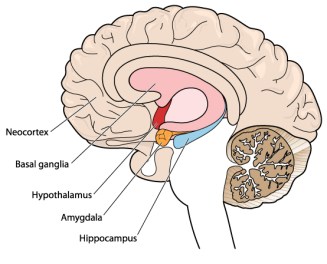 In meditators, there is an increased cortical thickness in the hippocampus, which is the area of the brain responsible for learning and memory. Resting the mind through meditation also improves self-awareness, as well as increases goal setting and motivation.
 followed by spacer DNA segments. Jennifer Doudna compares the simple corrective procedure to a word-processing software that allows someone to correct a typo in a hefty document. The ease and low cost with which the technology can be used, render the possibilities of its application endless.
 Cas9 is one of several restriction nucleuses that enables the editing of genes using CRISPR. It works as a molecular scissors, and uses a synthetic guide RNA to introduce a double strand break at a specific location on a DNA strand. This gRNA directs the cut through hybridization with its matching genomic sequence. During each procedure, a DNA construct with three major components: the Cas9 enzyme, gRNA and the replacement DNA template; is injected into an organism to modify its genes.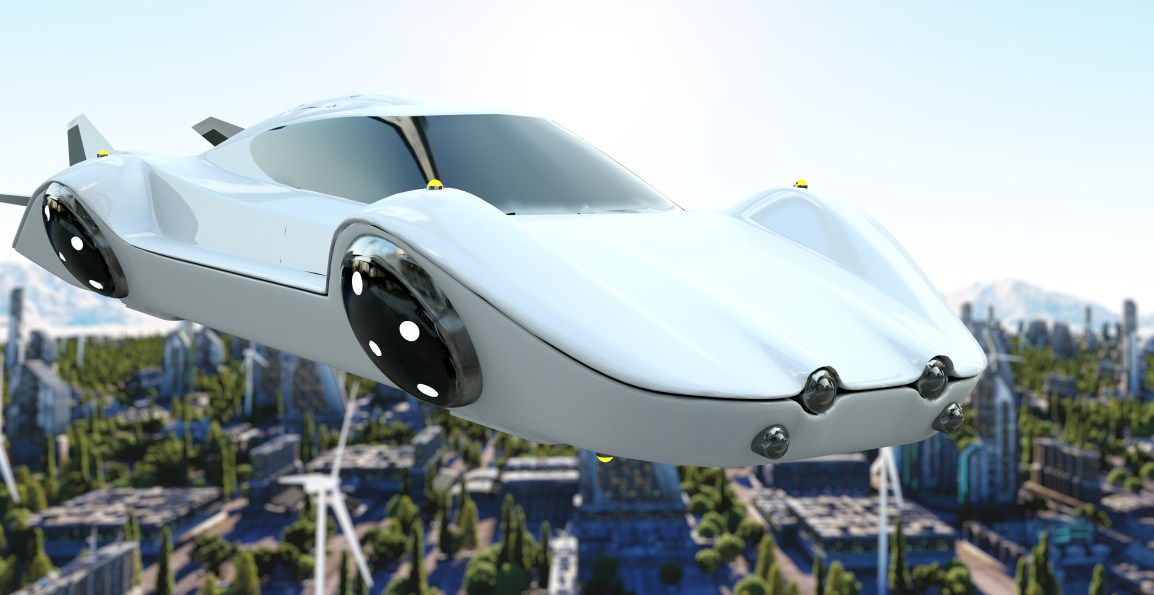
 The jet’s first successful remotely piloted test flight has recently taken place, and the company expects to conduct a manned one soon. In addition to flying as expected, the vehicle has many unique features in its design. It is a two-seater that takes off vertically, but once in the air it accelerates towards forward flight. It can reach faster speeds than cars and helicopters, and also uses 90% less energy than a drone. The vehicle is also shaped like a computer mouse, with 10 metre long wings that are responsible for its power. There are 36 jet engines, on these wings, which have been mounted on 12 movable flaps. At take-off the flaps point down allowing the aircraft to rise vertically, after which they gradually tilt into a horizontal position to facilitate it thrusting forward. A 1000 pound electric battery enables the jet to reach a maximum cruising speed of 300 km/hr and achieve a range of 300 km.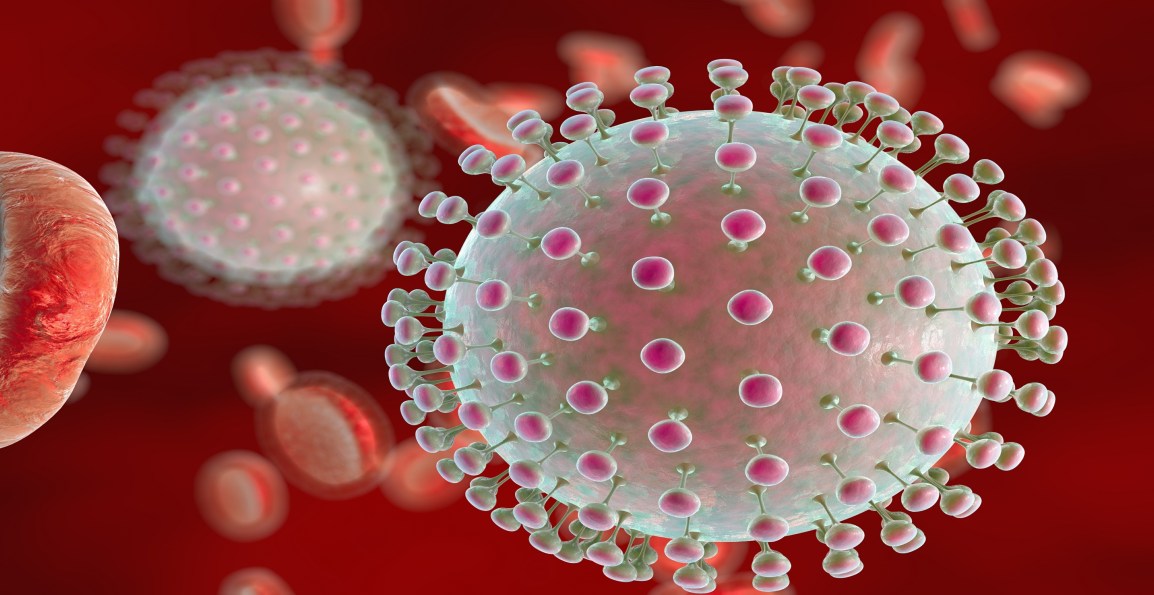
 Verily is a branch of Google’s parent company, Alphabet that conducts scientific research. The department has developed a robot that is able to raise mosquitos in a lab environment. The robot is equipped with custom built machinery that allows it to raise up to one million mosquitos per week. The males are then separated from the females, because they don’t bite humans. They are infected with a naturally occurring bacteria, Wolbachia, that causes their infertility. The Verily project has already begun its first widespread use of the experiment, by releasing 20 million mosquitos into Fresno County, California.
 R. E. KEARNEY