
The Hubble Telescope, which has spent many years in outer space collecting data, has vastly increased our understanding of the universe. The James Webb Telescope is its successor and will expand this knowledge immensely. It is the most powerful space telescope that has ever been built, with a primary mirror which is 6.5-meters in diameter. This gives it the ability to scan back over 13.5 billion years allowing us to observe the formation of the first stars and galaxies in the universe.
 The telescope had been created by the combined expertise of NASA, The European Space Agency (ESA) and the Canadian Space Agency (CSA). The object is scheduled to be launched into outer space, on an ESA Ariane V Booster from the Guiana Space Centre in Kourou, French Guiana in 2018. Previously, telescopes that were launched into space relied on rigid structures for their stability. The Webb is the first of its kind to be built for both stability and mobility. Its honeycomb appearance is because of its 18-segment ‘golden’ primary mirror, which will need to be folded to fit inside its carrier. When the launch is complete and the telescope safely in space, the mirror will unfold to begin its observations.
The unusual design makes testing the telescope more difficult than others before. Each of the mirror’s 18 segments measures just over 4.2 feet and weighs 88 lbs. They are made of beryllium with a plating of gold. In addition to observing the formation of the universe’s first stars and galaxies, The Webb will be searching for information about the history of our solar system and many of the others that make up our galaxy. Like all other space exploration, a major part of the project is to locate other planets that may be capable of supporting life.

The telescope is undergoing a rigorous testing process, to be ready for its journey in 2018. This is a major part of being able to ensure that it will be safe to launch and to remain in outer space. Engineers believe that it is one of the most complicated pieces of hardware ever created, and they are doing everything they can to assess its performance. Testing new equipment has its complications and in December 2016, technicians detected ‘anomalous readings’ from the telescope during a series of vibration tests.
The unusual results caused engineers to pause their tests and conduct both visual and ultrasonic examinations to ascertain their origin. They found that the telescope had no visible signs of damage, and determined the reason for the unexpected readings had been the restraints that were needed to keep the massive item in place. NASA restarted their original testing process within 2 months adapting it to reflect possible deviations. The next phase of testing will determine if The Webb Telescope can withstand vibrations in all three dimensions, as this will be very important during its universal mission.
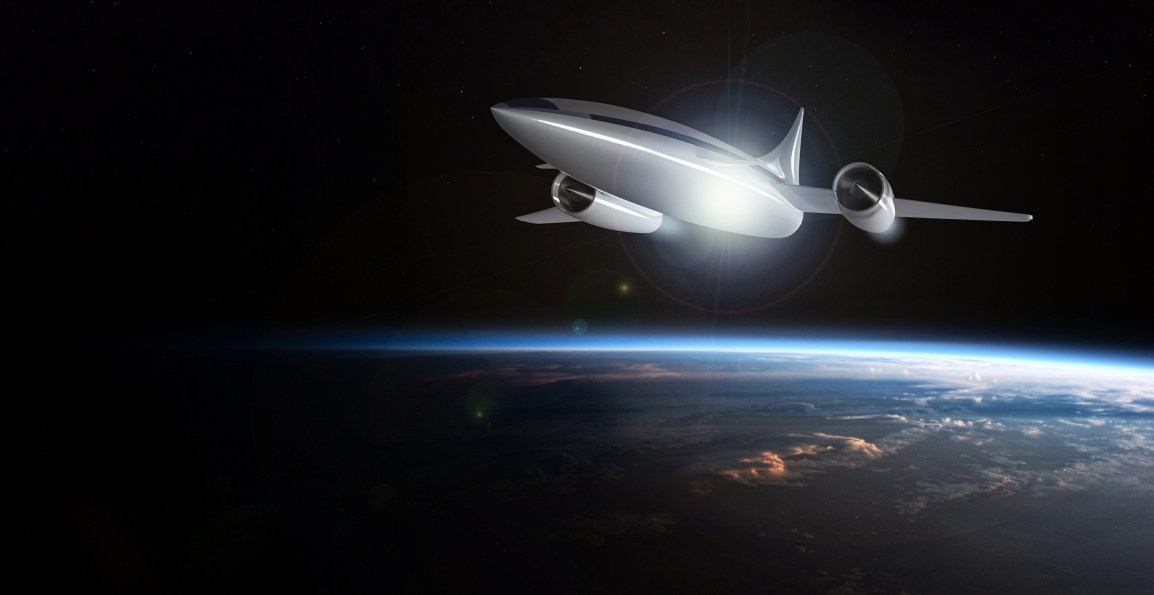
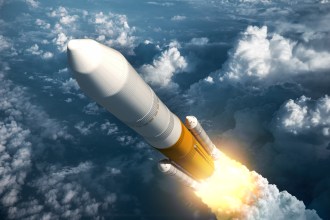 Once the engine has been perfected, they will use it to guide missiles and subsequently apply the technology to armed drones and surveillance systems. Within several years, the US Air Force hopes to expand this hypersonic technology for use in manned fighters, and other aircrafts. There is currently a need for several overseas military bases, to allow the country to have worldwide access within a given amount of time. Hypersonic aircrafts would eliminate the need for these floating bases, while still being able to facilitate military personnel reaching their desired destination within an hour.
 Enhanced Experiences
  Training Techniques
 In addition to genetics, epigenetics also play a major role in the way our bodies function. They affect how our genes are interpreted at any given time and, therefore, the way in which we make proteins. Epigenetics are the reason why everyone is unique, and they determine the way in which we look, the type of personality we have, and the things that we like and dislike.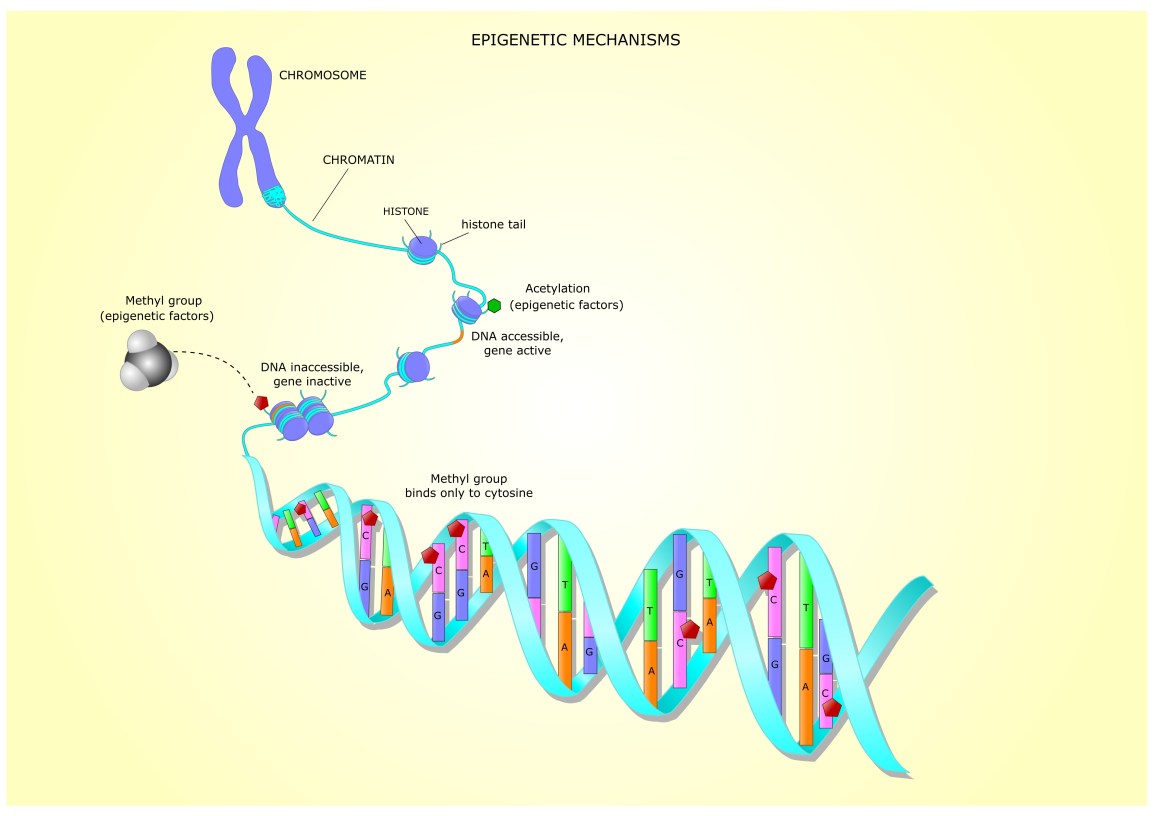


 The team increased the power of the technology by adding to it the ability to run artificial intelligence algorithms, known as deep neutral networks. This was possible by equipping the micro computers with flash memory, which includes an energy efficient charge pump. These advanced computer sensors will then be able to enhance cloud-connected devices with a neural network, enabling them to include voice and facial recognition.
 One of the simplest plants in our atmosphere is algae, which has proven its resilience repeatedly due to the extreme earthly environments in which they can exist. As a part of the Biology and Mars Experiment (Biomex), scientists decided to put the plant’s durability to the test. They released algae into the universe next to the International Space Station, located outside of the earth’s perimeter, for a total of 16 months.
 Even though the plants were exposed to extreme temperature changes, and both cosmic and UV radiation, the algae were retrieved alive and many of the strands even thriving. Further tests of the species will be crucial to future space travel, as they will demonstrate some of the conditions that may be faced by astronauts and show possible ways to overcome them. Algae might also be used as a source of food for these explorers, as it can be eaten when grown in large quantities. The plant can be transported to Mars, and many scientists believe it might be the key to breathable air on the planet, as algae survives by taking in carbon dioxide and releasing oxygen, which is essentially to human and animal life.
 R. E. KEARNEY