
With the world’s levels of discarded materials constantly increasing, every industry faces a greater need to pay attention to environmental concerns. This means that many manufacturers are turning to different forms of recycling to help save the planet, as well as to boost business by increasing profits. One industry that creates a lot of waste during production is the manufacturing of building material. There is an estimated three million tons of waste produced annually from the process of making ceramic tiles alone.
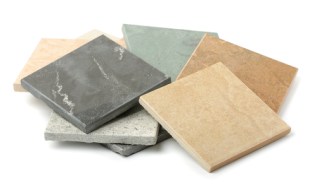 The normal production method used has previously made it impossible to put the waste back into the production process. Lifeceram is a project which has been undertaken to change this, and was formed with two main objectives. These are:
- To develop a new type of tile from the waste created that would be appropriate for outdoor paving, due to both durability and weather resistance.
- Create a suitable method of making these tiles, which would incorporate 100% of waste materials. It would also need to be sustainable by the manufacturing companies themselves, to make it as convenient as possible.
The Lifeceram project has been successful and those involved have reported developing a process to create tiles which have the mechanical resistance, environmental properties and porosity that they planned to achieve. The method that has been proposed will not only recycle the waste but can also be easily undertaken by existing industrial installations, without the need for changes to their equipment or current manufacturing.
 The major benefits that companies will achieve using this new process are:
- A Reduction in Carbon Emissions
One of the worse influences of manufacturing building material on the environment is the emission of carbon which Lifeceram believes will be reduced by at least 30% once their process is implemented.
- Production Savings
Tile manufacturers will now be able to save 30% on energy costs and an additional 65% on their use of water. Saving on production costs is beneficial in any industry as it means that funds can be reinvested to build the business, or there can be an increase in profits.
- Eliminating Waste
As reported, the process can reuse 100% of the waste which was previously created during the manufacturing of tiles. This can decrease the need to buy additional materials as well as company output.
Project Lifeceram is being introduced to manufacturing companies, which are embracing it and the benefits that can be achieved. Project developers are confident that many companies worldwide will be using their method of production shortly.

 The first form of digital currency to be developed was Bitcoin, from an idea proposed by Satoshi Nakamoto. Created and held electronically, this type of money is known as cryptocurrency and is based on blockchain technology. It is produced using software designed to solve mathematical problems. One of the major differences between Bitcoin and paper currency is the fact that it can’t be decentralised, meaning that no single institution would be able to control the network. The currency is created digitally by a group of people that anybody can join, and a limit has been placed on the number of Bitcoins that can be ‘mined’ in this controlled online environment. To encourage transparency, the mathematical formula which is used for Bitcoin production is available for everybody to view online.
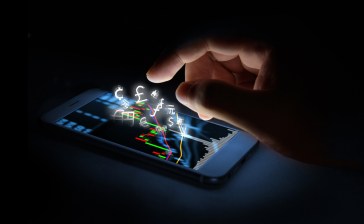 These currencies have set Africa apart as the pioneers of a new era of financial stability. The security and transparency of the blockchain technology, means that the system cannot be tampered with and the economy will be allowed to thrive. After being introduced into circulation in Senegal the eCFA will be introduced in other countries that currently use the West African franc including: Ivory Coast, Benin and Niger.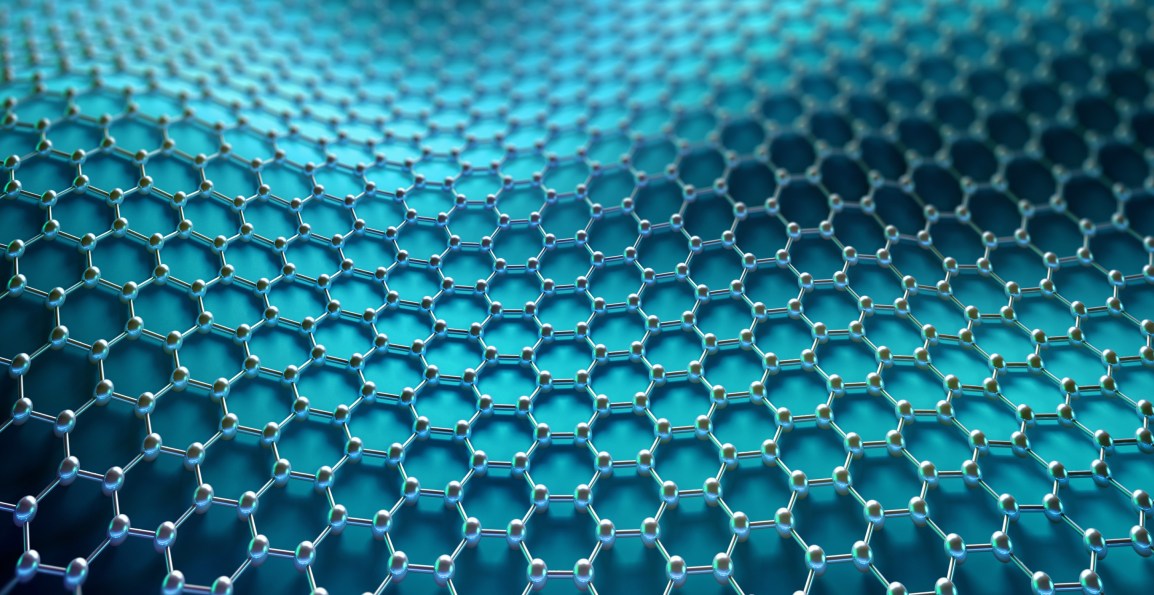
 Other qualities of graphene add to its usefulness and whereas its exfoliation was once very expensive the cost has decreased dramatically and companies now sell it in large quantities. Scientists have many future uses of the product planned, and research and development occurs on an ongoing basis. Some of these include:
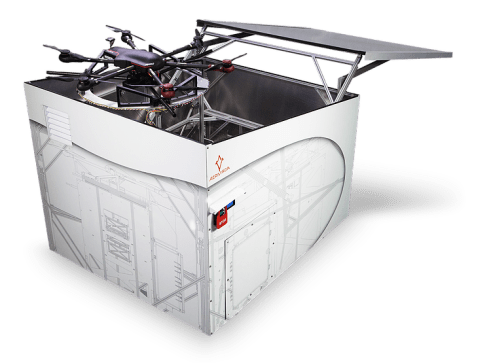 Technological mastermind, Airmada, has developed a storage system for drones which is capable of supporting missions without the need for human intervention. The storage box releases the drone once it has been activated, by opening up to become a launch pad facilitating its take off. Once its mission has been completed the drone will fly back, land on the launch pad and the storage box then closes up in order for the battery to be charged. All of this is done automatically without the need for a drone operator.
 The researchers describe their creation as a material made of an array of liquid metal spilt ring resonators (SRRs) which are embedded in a stretchable elastonomer. When it is stretched this ‘meta-skin’ has a tunable frequency, which is able to accommodate a wide range of other frequencies thus absorbing radar waves. Experimentation with wrapping it around a curved dialectic material shows that the meta-skin performs as a flexible cloaking surface, which is able to suppress the scattering of frequencies in different directions.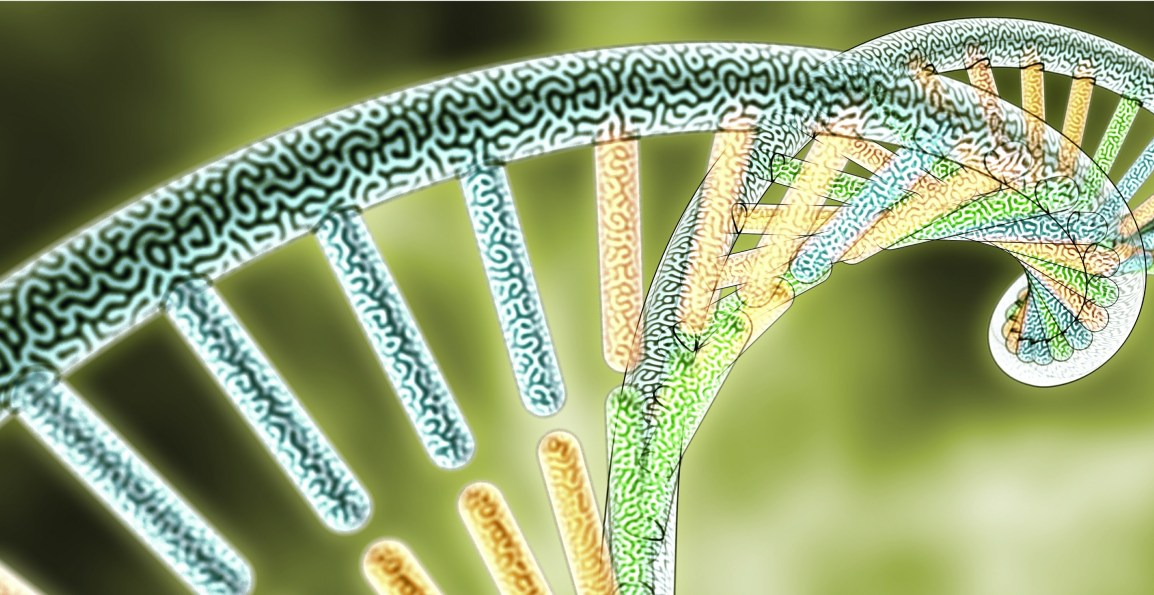
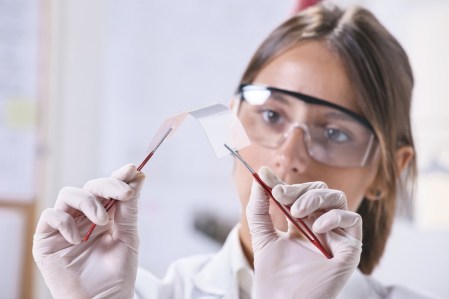
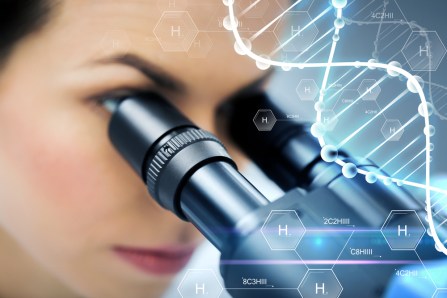 Fluorescent genetic tools made it possible to see the roundworms’ transparent cells, and the scientists observed certain patterns during RNA splicing of the individual genes. Using the ones that showed premature aging, researchers quickly learned how to predict individual roundworm lifespans before signs of aging appeared. They are confident that this discovery is the start of using RNA splicing as an early indication of aging, which can then be expanded in order to prevent or reverse these signs.
 R. E. KEARNEY