
Scientists warn that the world might become infertile by 2045 if we continue at the current rate. The last decade has seen multiple warnings and threats being issued regarding the fertility of the youth by the researchers and experts who have blamed artificial products for the rapid decrease.

Right now, environmentalists have categorized the use of plastic as one of the most dangerous practices observed globally that is assisting the process of declining fertility.
The Guardian published research conducted in 2017 by Shanna Swan, a professor of environmental medicine and public health at Mount Sinai’s Icahn School of Medicine in New York City about the fertility rate. The findings of the study focused on the sperm count among men in Western Countries and it was discovered that it had dropped by more than 50 percent over the last 40 years. 3 years later, Swan published a book titled Count Down that provides a detailed insight into how and why humans are not being able to procreate as efficiently as before.
“People are recognizing we have a reproductive health crisis, but they say it’s because of delayed childbearing, choice or lifestyle – it can’t be chemical,” Swan said to the Guardian. “I want people to recognize it can. I am not saying other factors aren’t involved. But I am saying chemicals play a major causal role.”
Furthermore, the Human Reproduction Update also released a study in 2017 that highlighted how the sperm concentration in men fell from 99 million per ml in 1973 to 47.1 million per ml in 2011. When you look at the statistics, you see a sharp decline of 53.4% in the sperm count in the western countries namely Australia, North America, Europe, New Zealand etc.
Swan, who has studied this issue profoundly says that one of the reasons for this steep fall is the chemicals that “interfere with or mimic the body’s sex hormones”.
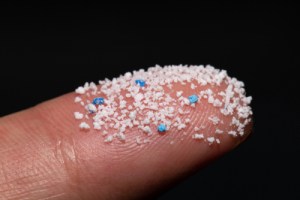
“Phthalates, used to make plastic soft and flexible, are of paramount concern,” Swan said. “They are in everybody and we are probably primarily exposed through food as we use soft plastic in food manufacture, processing and packaging.” She further added that “They lower testosterone and so have the strongest influences on the male side, for example diminishing sperm count, though they are bad for women, too, shown to decrease libido and increase risk of early puberty, premature ovarian failure, miscarriage and premature birth.”
The solution to this problem is not quite simple. It has taken years and years of damage for the researchers to notice the significant decline in the fertility rate so it is not an issue you can get prescribed medicines for. Swan, along with other researchers considers it a threat to humanity because if the trend continues then the world would have fewer and fewer human beings by the end of 2045.
“The current state of reproductive affairs can’t continue much longer without threatening human survival,” Swan writes in Count Down. She says that we need a complete overhaul of the chemical industry to reassess which products are actively harming the reproductive growth rate and people at least need to be warned about the consequences of the consumption of plastic.




 When a child is in the womb there is an artery called the median artery which is continuously transporting blood from the heart to the hands of the child. However after birth, usually this artery is replaced by two other arteries and this one disappears.
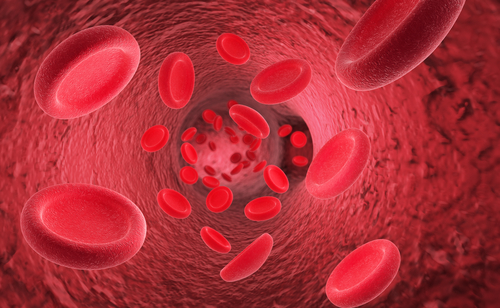 The researchers think that change has been genetic due to maternal health issues or possibly due to the mutation of genes within humans. They think that by the year 2100 the median artery should become a norm rather than the exception that it is today.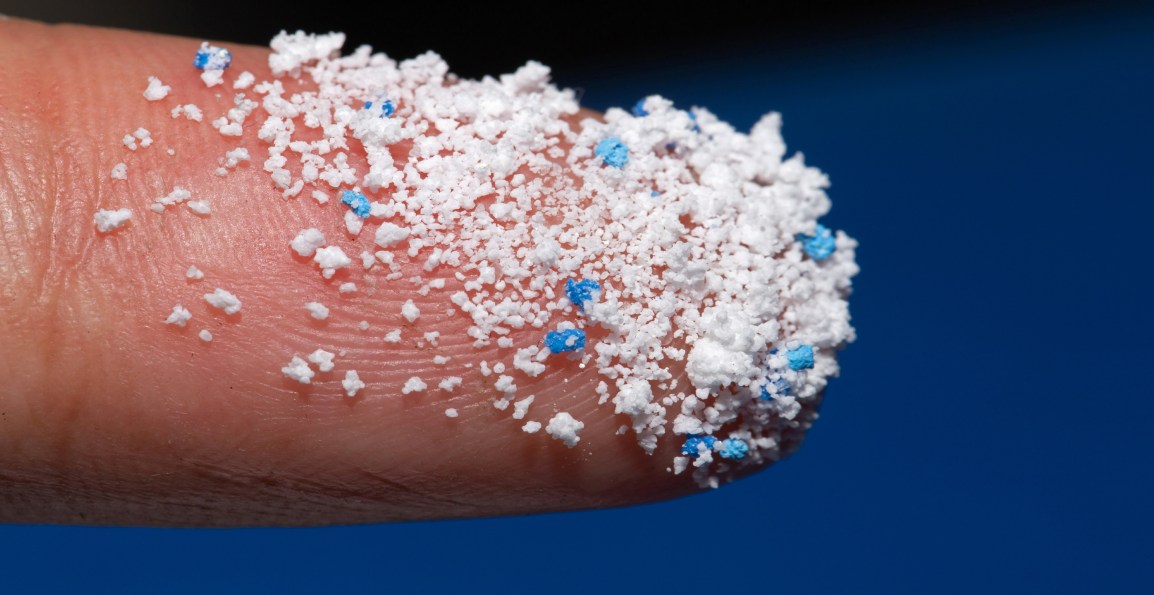
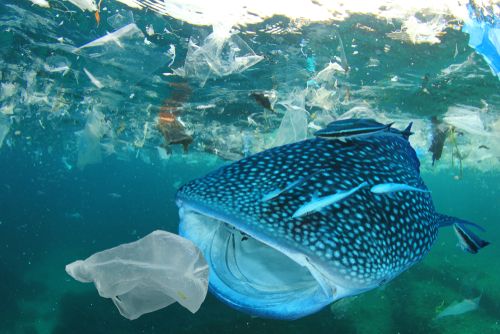 For years now, scientists have been warning us about climate change and the impact of greenhouse gases as well as the fact that plastic does not degrade. However, we did not listen and kept on creating more and more products using more and more plastic. Eventually, it has come to a point where micro-plastic are now evident within human bodies.
 In the samples tested through a mass spectrometer, they found traces of polycarbonate (PC), polyethylene terephthalate (PET), and polyethylene (PE) which are all commonly used plastic products in our daily lives. Bisphenol A (BPA) was also found within the samples, which is a common ingredient within food packaging.
 babies people are having and the rate is only decreasing. With education and awareness and also the transition of more women now entering the workforce prolonging their career paths paired with the increase use of contraception and a drop in fertility rates, the natural population is witnessing a steady decline. By 2040, some major nations like Italy and Japan are expected to witness a decline in population by half.
 The decline is nearer than we think, so it is vital for nations to start preparing now, before the situation actually proves to be a major problem. With the increase in aged people, it will be essential for nations to focus on increasing and improving healthcare facilities and hospitals as well as social support. The demographic change that will occur requires a lot of consideration. Will people be expected to work past their retirement age? Who will take care of all the old people? Will people just keep on working until they die? All these questions and more will have to be answered to ensure that this shift in the population structure is countered intelligently.
 that they have taken months worth of supplies including hand sanitizers. Because of this shortage the Governor of New York, Andrew M Cuomo, decided to use prison inmates to urgently produce more sanitizers.
 Another thing that concerned people is that even though these prisoners might be making the sanitizer, they will not be able to use it because of the alcohol content within it which is forbidden in prison, as well as being threatened with solitary confinement if they refuse to work.
 R. E. KEARNEY