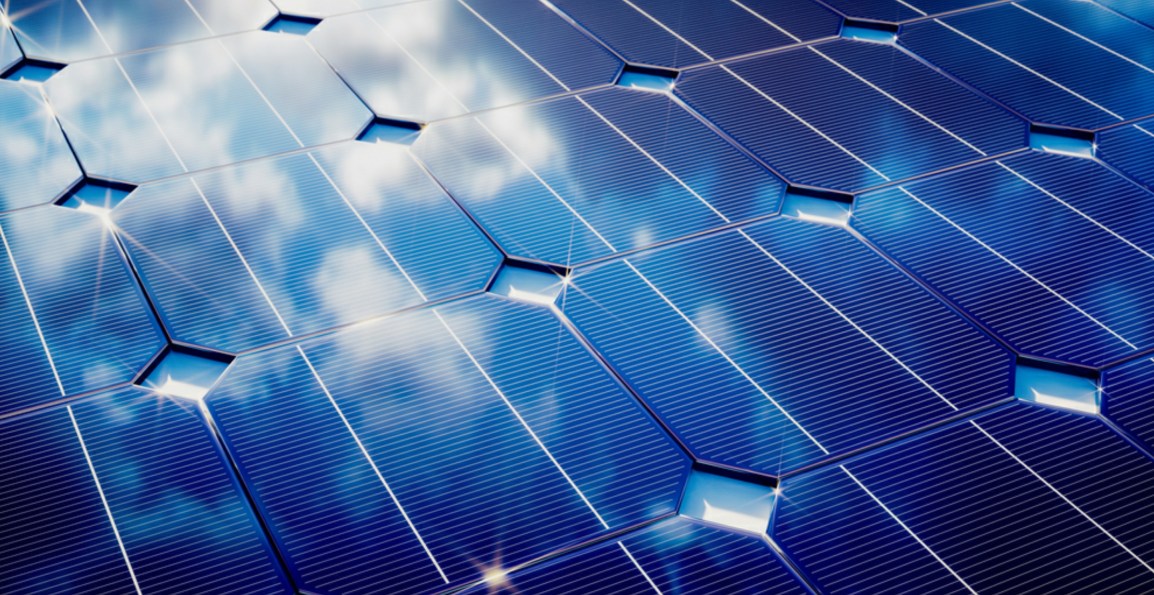
The government of Australia plans to increase the amount of energy the country gets from renewable sources. With the help of Elon Musk’s company, Tesla, they plan on building the largest virtual power plant in the world. It will be made up of 50,000 households that will be provided with power from Tesla batteries and solar panels. The project is currently underway with installation scheduled to take place over the next four years. The solar panel will  generate energy to be stored in the batteries, with the excess being sent back to the centrally controlled grid to help power the rest of the state.
A statewide blackout in 2016, blamed on the failure of renewable energy to cover the usage during peak periods and severe weather which caused transmission towers to topple, initiated the start of the project. To create a solution to the country’s energy problems Tesla gave themselves a 100-day deadline, to build the world’s biggest battery. Alongside Tesla’s installations, the government has created their own mission which will subsidize AU$2500 of the initial costs for each system.
A trial has begun, with 1100 public housing properties expected to have a 5kW solar panel system and a 13.5kW Tesla Powerwall 2 battery installed. This will be followed by another 24,000 public houses receiving the same system. The expansion into supplying private homes will begin in 2019. The company expects the system to provide as much energy as a large coal power plant or gas turbine. Once power has been stored in the battery, it will be able to restore energy to homes in a fraction of a second following an outage.
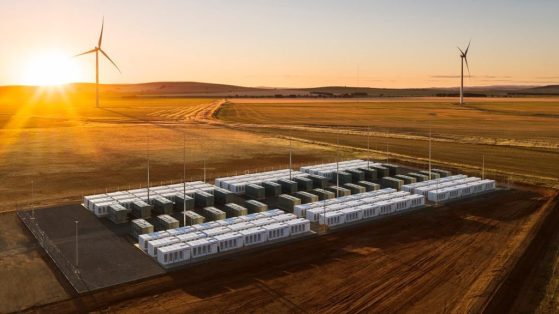 The funding for the program will come from a grant of AU$2,000,000, plus a loan of AU$30,000,000 from a state technology fund. The project’s total cost is expected to be AU$800,000,000, with the remaining funding provided by investors. Interest in the program has already been expressed by 6500 investors, and its scale may be increased if this number grows. The government expects that the virtual power plant will provide 20% of the state’s average daily requirements, as well as cut the costs of power by 30%. The project’s success will also prove South Australia as a leader in the use of renewable energy and could encourage more countries to invest in the same layout.

 Cyber-attacks require extensive knowledge of an organization’s systems, and between 50 and 80% of them have access to insider information. A significant percentage of cybercrime is accomplished by phishing emails, of which the most successful are Spear Phishing. These emails are careful crafted to appear like they are coming from a legitimate source, such as known company executives, and may include detailed information about the person and their job. These sophisticated attacks often require multi-pronged responses. After a cyber-attack, major companies have suffered reputational damage which can be just as devastating. Companies are finding that as their technology increases, they also have to employee increasing cyber security measures which may offset profits.
 Most cybercrime takes place using malicious software that attacks computers, through various methods, which includes:
 In 2010, Andrew Schmeder and Don McPherson founded Enchroma Inc., to perfect technology which could be used to enhance color, for those previously unable to see it. They created lenses by combining optic technology with the latest discoveries in color perception neuroscience. Humans see when our eyes project light onto our retina, which use six million cone cells to transfer the image into neural signals. These signals are transmitted to the visual cortex, where we interpret them as images. Each cell is color specific and responds to light of a different frequency, which corresponds to the primary colors of light: red, green and blue.
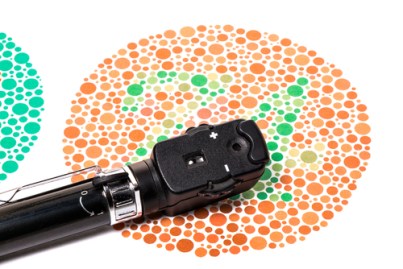 Color blindness is caused when an individual’s retinal cone cells respond to light in an abnormal manner. There are three types of color blindness, which are determined by the cones that are affected: for red-light cells, it is protan-type; green-light cells, deutan-type and blue-light cells tritan-type. Most color blindness is caused by red and green sensitive retinal cones having an overlapping response to light. Enchroma lenses are designed to remove wavelengths of light, exactly where the overlap occurs, and are expected to be able to help 80% of people with color vision deficiencies. This can be determined by getting a personal assessment done, by a qualified Enchroma specialist.

 ‘parasols,’ in outer space in a ring around the planet to deflect the sun’s rays. In addition to the exorbitant costs associated with setting up these mirrors, scientists believe that side effects could include: altered weather patterns, a shift in the ice coverage at the poles and a change in the ocean currents.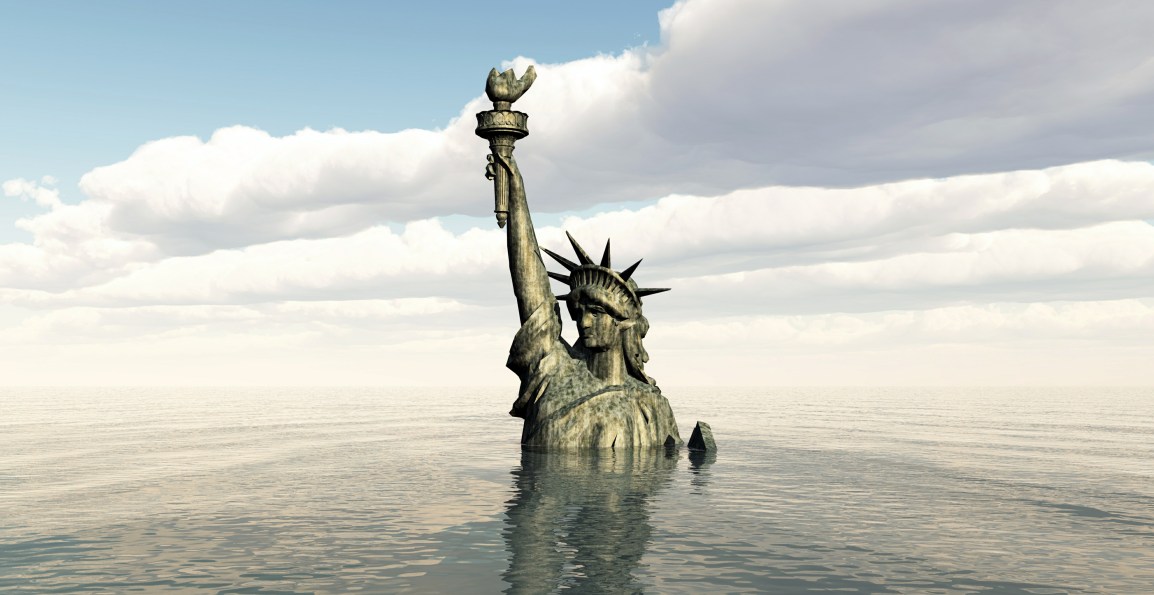
 Ice Loss from Greenland and West Antarctica – Increased heat on the planet is also causing the ice sheets that cover these regions to melt at a faster pace. Research has shown where meltwater from above, and seawater from below, is seeping in between the sheets, causing the ice streams to move more quickly into the sea. Higher sea temperatures also result in the ice shelves, extending from Antarctica, to melt.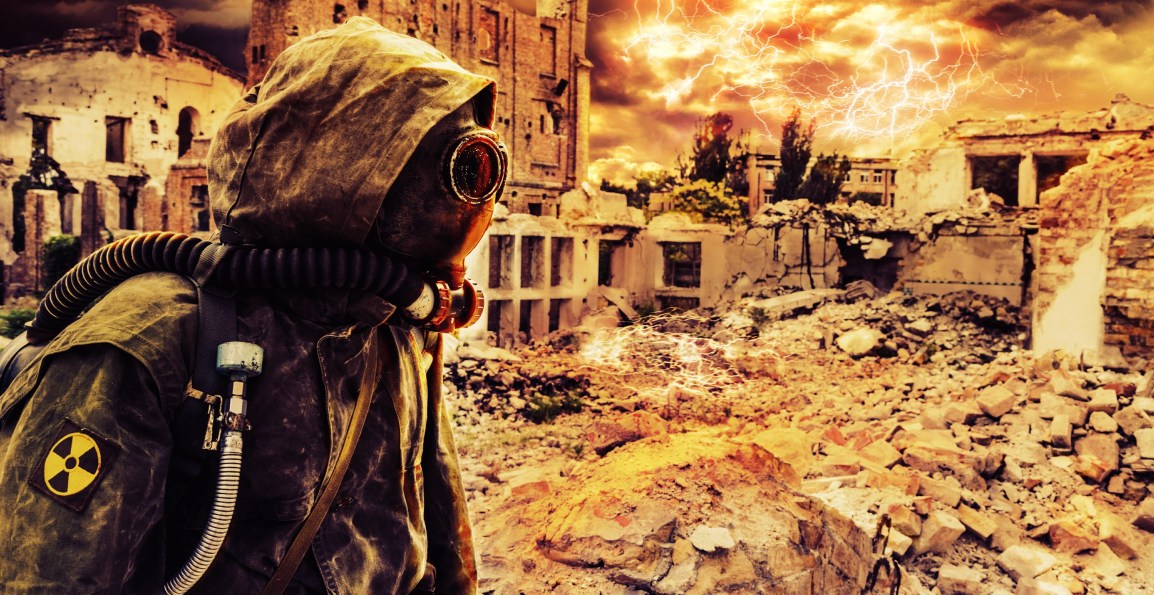
 Tedros pointed out that, ‘Universal health coverage is the greatest threat to global health.’ He went on to explain that as many as 3.5 billion people still do not have access to essential health services. Others that can attain the services are often forced into poverty, because of the high costs of this care. To avoid this problem many people neglect seeking medical treatment, even when it is necessary. This results in many illnesses progressing further than can be treated, and an unnecessary spreading of infectious diseases. This negligence could result in the earliest signs of an outbreak being overlooked.
 Tedros pointed out that healthy citizens are an advantage to the economy of any country. It has been proven that proper healthcare from children are in the womb, which is continued throughout their childhood, helps to make them stronger members of society. He also noted that at the moment a possible pandemic couldn’t be predicted, but dreads the terrible toll it would take on humanity. Despite there being no guarantee that a pandemic free world will ever be created, he is urging that we take back the control of our own lives. The best way to ensure our survival is by governments investing in proper healthcare, in every way possible, for each and every one of its citizens.
 R. E. KEARNEY