Moon Cube

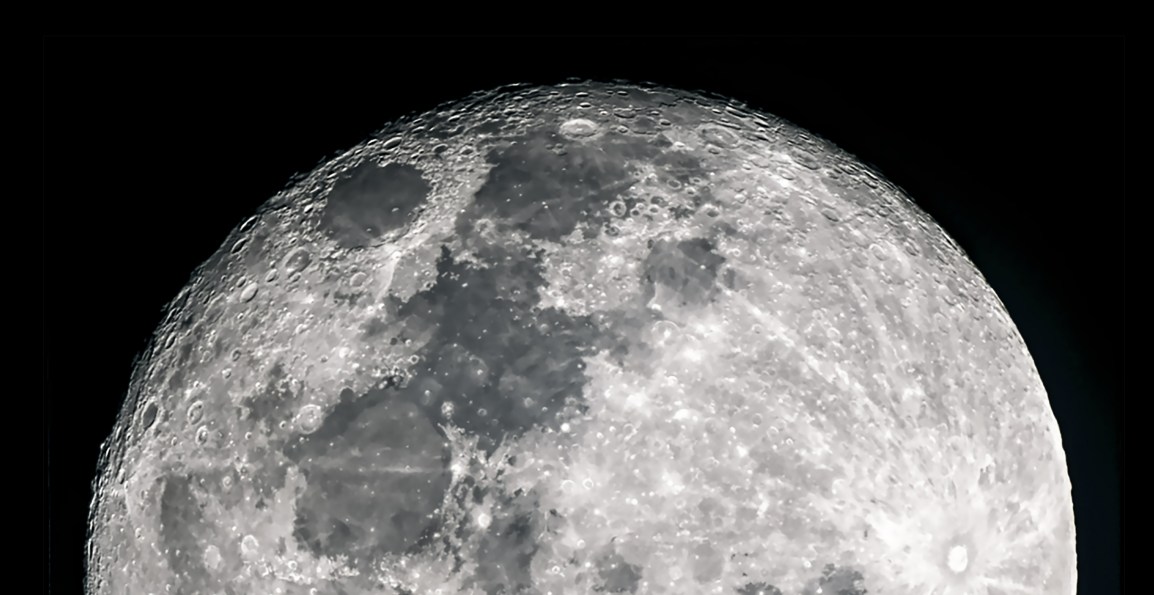
China’s robotic lunar rover, Yutu 2, which formed part of the Chinese Chang’e 4 mission to the Moon, discovered a cube shaped object over the surface of the moon. The cubical object was found on the horizon to the north and roughly 260 feet (80 meters) away in November during the mission’s 36th lunar day. The object was referred to as a “mystery hut” which is the official translation of what they used in their native language to describe it. The more accurate description tells us that the cube seems like a boulder which was probably dug out from some surface and might have reached that place due to some natural impact. The Chinese are saying that they are trying to get closer to the cube to get a better look at it. For all we know, this cube could be an illusion too as the picture has been taken far away from the object and the “cubical boulder” can only be seen at a few pixels. China previously also claimed that they discovered a gel-like substance on the moon which was later turned out to be just some rocks. As the moon is mainly covered with rocks, this cubical object could just be in fact an illusion.

The cube is supposedly found in the Von Kármán crater, where the Yutu 2 has been travelling since 2019. The Yutu 2 made its first landing on the moon on the 3rd of January, 2019 and has been going around the 115-mile-wide (186 kilometers) Von Kármán crater ever since. The Yutu 2 rover and Chang’e 4 lander were together to make this landing. Chang’e 4 is China’s fourth lunar landing mission and the second mission which included a rover too. The first two missions, known as Chang’e 1 and Chang’e 2 were orbiting missions while Chang’e 3 landed on the Moon’s surface along with their first rover. China has also launched the Chang’e 5 which is currently on a test mission. According to reports the Yutu 2 rover discovered that the surface of the moon was made out of different materials than was previously thought. This discovery is useful to us as the materials that make up the moon’s structure will help in determining how the earth’s internal layers will change in the future.
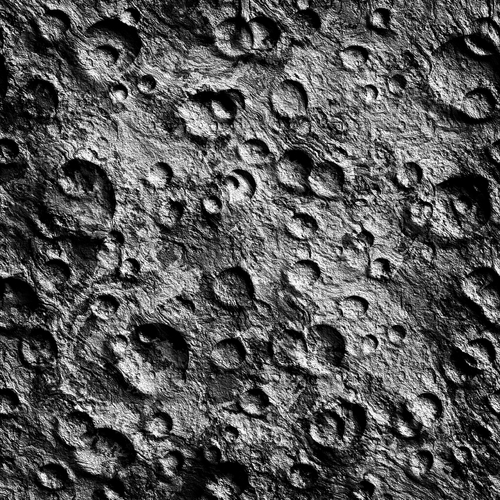
In order to investigate the cubical object more, it will take the Yutu around 2 to 3 lunar days which calculate to around a month for our earth days. Through more investigation of this cubical boulder, scientists will be able to understand more about the history of the moon (and maybe other planets too) and perhaps the moon’s composition and structure. But we should not get our hopes up high, as this boulder could just be one of the many other ordinary boulders that already exist on the moon.
Anti Covid Chewing Gum

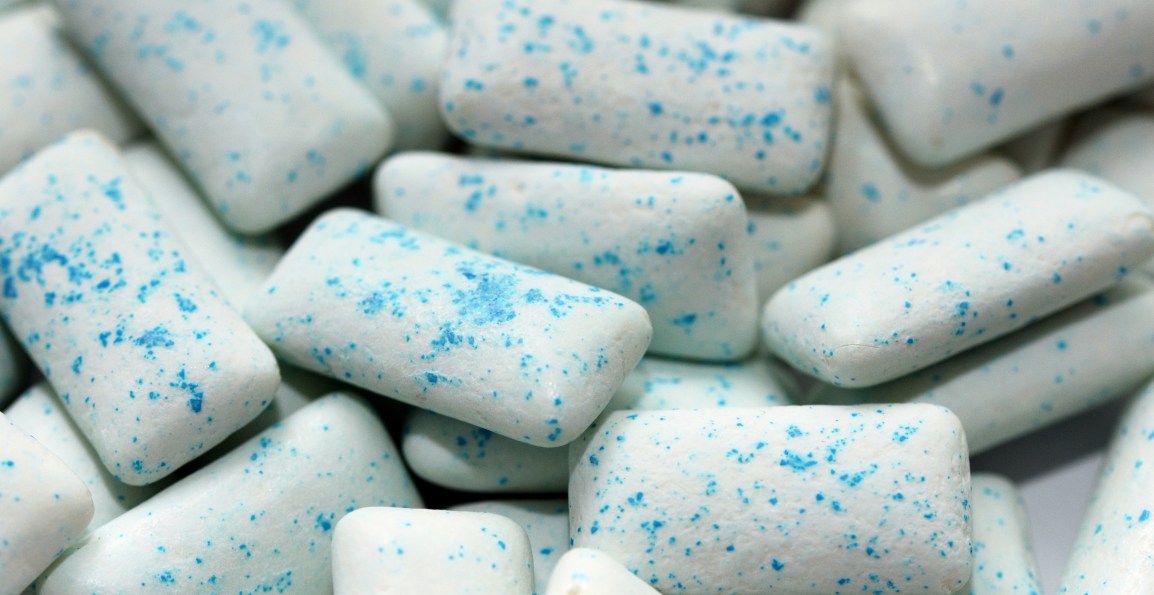
Researchers from the University of Pennsylvania claim that they are creating a chewing gum which could be used to prevent the spread of CoronaVirus in your body. The researchers, who published their study in the journal Molecular Therapy are saying that this chewing gum is coated with a plant based protein which supposedly neutralizes the virus, SARS-CoV-2 which causes covid, by trapping it while the protein is in the saliva which can cut down the transmission of the Covid-19. This research was led by Henry Daniell at the Penn’s School of Dental Medicine where scientists from different universities like Perelman School of Medicine, the School of Veterinary Medicine, the Wistar Institute, and Fraunhofer USA also worked. These scientists were aiming to create a cheaper option to fight the virus, and they believe that this chewing gum could work.

The SARS-CoV-2 is multiplied within the salivary glands and when an affected person sneezes, coughs or opens their mouth, the SARS-CoV-2 virus transmits and can reach other people. Through the chewing gum, the infected person will not be able to transmit the virus as the SARS-CoV-2 will neutralize when it when it comes in contact with the infected person’s saliva. The protein, which is the angiotensin converting enzyme 2 (ACE2) was studied by Henry Daniell before the spread of CoronaVirus and he was researching it in order to treat hypertension. According to different researches, the ACE2 injection can also treat many severe viruses. The main idea of creating a protein laced chewing gum by Henry Daniell and his colleague, Hyun Koo, was to fight dental plaque but then Henry Daniell got the idea of making the chewing gum with the ACE2 in order to prevent the deadly CoronaVirus.

Henry Daniell then contacted Ronald Collman, who is a virologist at Penn Medicine, and they did some research on this protein and developed the chewing gum and created some samples. They tested those samples on some Covid positive patients which proved that their research works to a great extent. Further research was performed at the Wistar Institute and the School of Veterinary Medicine where it was proved that the chewing gum prevented viruses or viral particles from entering cells. When the scientists did test swabs, the change in the presence of the virus was huge, the presence became almost undetectable. This means that up until now, the researches have proved that this chewing gum could totally work.

This anti covid chewing gum could be useful for healthcare workers, as well as for patients who need to go to the dentist where the taking off of masks is necessary as the chewing gum will prevent the transmission of the CoronaVirus. Currently, the team of researchers are trying to gain permission for conducting a trial of their anti covid gum to make sure it has no negative effects.

Organic Molecules on Mars

In 2017, NASA’s Mars Curiosity swept up the first samples of Martian dirt. Successful researchers have teamed up to test those samples. Using chemical reagents, a mixture was prepared inside the cup. As the mixture cooled, organic molecules were released, which NASA did not investigate or detect ever before. Scientists and researchers have been trying to untangle the mystery behind this discovery.

According to the team of researchers, they conducted the rover’s wet chemistry experiments, which were successful, and, they found two evident chemicals present in the mixture; ammonia and benzoic acid. Both of these chemicals are clear indicators of ancient life. While searching for organic molecules on Mars, the scientists aimed to understand and learn about the past viability for life on Mars, and are looking to discover where these molecules originated.

In addition to showing the past habitability of Mars, the studies also suggest that these molecules might have developed from the planet’s geological processes. Moreover, these studies have demonstrated that the onboard experiment technique of the rover can be used to explore organic molecules. Scientists have carried out these experiments without drilling any holes into the rocks. According to the researchers, these organic molecules are complex and were floating around on the lake of Mars over 3 billion years ago.

The organic molecules found are made from carbon, hydrogen, oxygen, nitrogen, and many other elements as well. An analysis by Curiosity shows that billions of years ago, a lake inside the Gale cavity had everything necessary for life, including synthetic structure blocks, energy sources, and fluid water. Observing and finding antiquated carbon preserved right on the Martian surface gives researchers certainty that NASA’s Mars 2020 rover and the European Space Agency’s ExoMars rover will find considerably more organic material on a superficial level.

The rover was originally planned to be used during a two-year mission to accumulate information and samples to help understand if the planet could uphold life, have fluid water, as well as study the environment and geology of Mars. But because of its success, the mission has been expanded endlessly and has now been active for more than 2,000 days. Moreover, the rover has a few logical instruments ready, including the Mast Cam, which comprises two cameras and can take high-goal pictures and recordings in genuine shading.

Further investigations of Mars will ideally find more components of the planet that could uncover much more with regard to its origin and what conditions could potentially support life there. Furthermore, as the astrobiologists’ study shows, there might be more associations between Earth and Mars.

The unexpected occurrence and discovery of these molecules has made it easier for scientists to understand and gather information about the history of Mars. Moreover, besides being cold and barren in today’s time, scientists believe that Mars once had an ancient microbial life.

Jupiter Collision

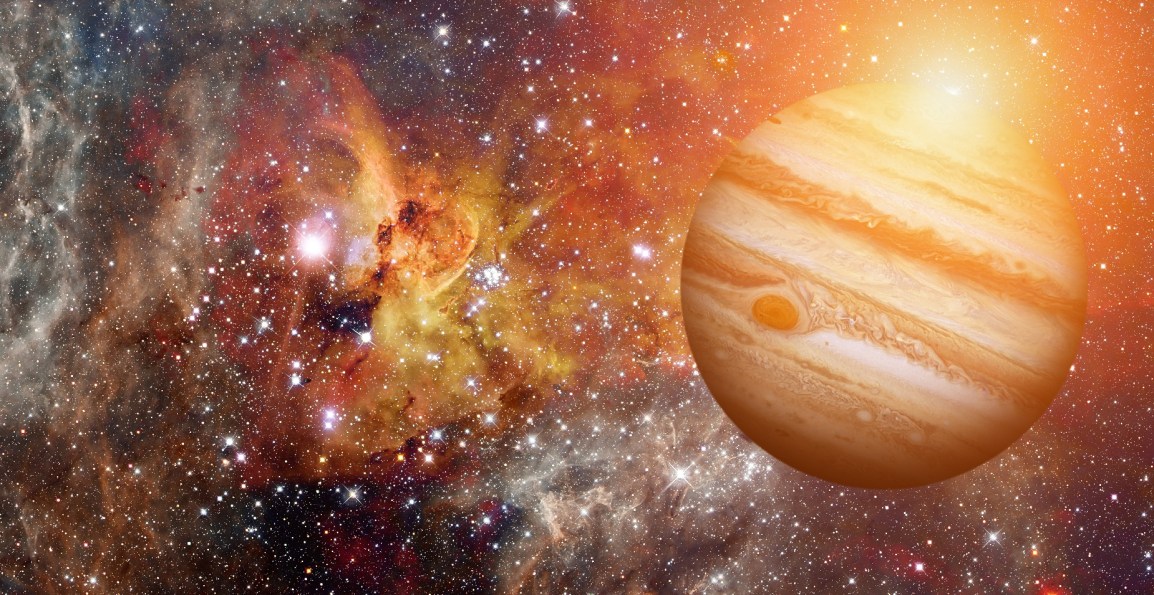
Recently a huge item collided with the gas goliath, making a little “poof” in the planet’s environment.

However, the biggest planet in the Solar System frequently pulls in space debris because of its remarkable gravitational force, which helps to shield the Earth from similar collisions.

On Monday, Brazilian stargazer José Luis Pereira filmed an abrupt blaze on Jupiter. The concise film shows an item colliding straight with the planet.

Planetary researcher Paul Byrne isn’t exactly certain whether the article is a space rock or a comet.

“We do realize that it can’t have been too enormous — pictures of Jupiter since the effect don’t show an effect scar.”

The article suggest the item might have been twenty to thirty meters in size. So this little item most likely detonated in Jupiter’s upper climate since sufficient size and speed to truly penetrate through and leave behind a scar would be necessary.

Because of its humongous size, its orbit brings it near to the space rock belt, regularly bringing it into a collision course. The most renowned episode occurred in 1994 when pieces of the Shoemaker-Levy 9 comet slammed into Jupiter. The comet had been circling Jupiter for almost 10 years before Jupiter’s gravity destroyed it, splitting it up into pieces. The series of pieces had been trapped in a two-year circle around Jupiter prior to colliding with its cloud tops. The parts crashed into Jupiter with the power of 300 million nuclear bombs, as estimated by NASA.

“Without a doubt, we’ve seen a few such effects on Jupiter in the course of recent years, suggesting that they’re somewhat normal,” Byrne says. “A smaller collision on Earth would be obliterating, yet Jupiter is so large it is by all accounts ready to shake off these sorts of occasions with no issue.”

Researchers accept that Jupiter’s sheer size redirects a portion of these effects from the remainder of the Solar System’s planets by taking them on itself. Indeed, a few researchers feel that this is the reason life on Earth has had the option to flourish.

Glacier Blankets

For a decade, tourists have been traveling to the high Alps of southern Switzerland with a wish to walk inside a glacier. In 1870, a regional family got the idea of digging a 100-metered shallow tunnel inside the Rhone glacier. Paying visitors could walk through a frozen alcove straight out of a fairy tale. However, in recent times, global warming has posed a grave threat to the glacier. With the slightest glacier movement, ice melts, so at the beginning of every summer season, the tourist cave has to be carved anew.

According to the experts, the glacier has changed in the last few years and is expected to entirely disappear in the coming years. To slow down the ice melting, the cave carving family suggested a solution of covering a portion of the glacier with protective fleece blankets to reflect the sunlight.

As a preventive measure, huge blankets or a polyester fleece might appear like a quick-fix or gimmick, but they could diminish seasonal melting by up to 70% each year during the summer months. It radiates the sun’s energy back into the atmosphere, avoiding melt and also preserving the ice that fell on the glacier during the winter. A handful of workers would then be needed to remove the blankets and utilize the fresh covering of snow to fill in the cracks on the glacier’s surface.

The primary goal of the government is to insulate the exposed glacier’s ice by reflecting most of the sun’s energy by using white fleece protectors. According to the Swiss government, 90% of its glaciers will be eliminated by the end of the century if no solution is found to cut down on greenhouse gas emissions.

According to the glacier experts, the size of the fleece blankets needs to be big enough to have any sort of effect. For this purpose, many workers are diligently sewing blankets together to cover the glaciers, whilst other countries, including Italy and Germany look set to be implementing this unique solution too.

Microwave-Powered Spacecraft

A group of researchers from the University of Tsukuba in Nagoya, Japan, is experimenting with ground-centered microwave pillars for controlling rockets with an aim to make the spacecraft lighter, as a significant portion of a rockets weight is taken by its fuel.

Technological advancements helped engineers.

A study published in the Journal of Spacecraft and Rockets says that during recent tests, the engineers managed to assign a tiny gliding four-rotor drone with a versatile microwave. This test was implemented for making sure that their idea was viable.

According to the engineers, they weren’t certain about the flexibility of their idea regarding the experiment, but these adjustments were made so that the microwave beams might not only enable the upgrading of an aircraft but also take a rocket into orbit someday.

Former experiments:

These researchers weren’t the first ones who implemented versatile spacecraft with a microwave beam. However, this latest attempt by researchers in Japan had stronger beams and advanced tracking systems, which made this experiment succeed where the former ones failed.

According to the head author and Tsukuba engineer Kohei Shimamura, the team of engineers used a futuristic beam tracking system for ensuring that the drone received maximum power. Furthermore, for improving the transmission efficiency, they carefully rearranged the microwave phase utilizing an analog phase sifter, which was integrated with a GPS. The propulsion technique might appear a bit unusual, but it was enough to maintain a four-engine drone upwards.

However, the technology is still quite premature, and it’s unlikely that we’ll get to witness microwave-powered NASA rockets going to space anytime soon. Presently, a huge obstacle is the energy that’s lost during the procedure. According to the examiners, the comprehensive energy efficiency obtained in the experiments was relatively low, reaching just a rate of 0.43%.

Currently, it’s still low, but more feasible than the 0.1% achieved in former experiments. Further work to tackle the problem of energy efficiency continues.

Shimamura evaluated that this outcome shows that more improvement is expected to further develop the transmission effectiveness and success for aircraft, space apparatus, and rockets of the future.

Even though microwave-controlled rocket propulsion is still in the initial phases, one day it could potentially be a better way of dispatching rockets into space without the massive fuel demands currently being used by conventional spacecraft.