Space Moss

Scientists have discovered that moss can survive months on the exterior of the International Space Station, revealing its extraordinary resilience and potential role in future space habitats.

Moss in the Harshness of Space

When Japanese researchers attached samples of Physcomitrium patens—a common laboratory moss—to the outside of the International Space Station (ISS), they expected most of it to perish. Space is unforgiving: a vacuum with extreme temperature fluctuations, intense ultraviolet radiation, and virtually no oxygen. Yet, after nine months of direct exposure, much of the moss remained viable. In fact, over 80 percent of spores germinated successfully once returned to Earth.

This experiment, published in iScience, tested three developmental stages of moss: juvenile filaments (protonemata), specialized stem-like brood cells, and sporophytes (structures that encase spores). While the juvenile moss failed under the harsh UV bombardment, the sporophytes and brood cells endured, retaining their vitality and reproductive potential.

Why Moss Matters for Space Exploration

Moss is not just a curiosity. Its survival outside the ISS suggests it could play a role in closed-loop ecosystems for long-term human habitation beyond Earth. Mosses are simple plants that:

  • Photosynthesize efficiently, producing oxygen.
  • Absorb and retain water, helping regulate humidity.
  • Tolerate extreme environments, from volcanic fields to Antarctic tundra.

If moss can withstand space, it may serve as a biological pioneer for habitats on the Moon or Mars, contributing to air recycling, soil formation, and even food webs. Researchers emphasize that understanding the resilience of Earth-born organisms is crucial for expanding human habitats beyond our planet.

Lessons from Earth’s Toughest Survivors

Mosses thrive in places where few plants can: Himalayan peaks, lava fields, deserts, and polar ice. Their ability to endure desiccation and radiation makes them ideal candidates for astrobiology experiments. The ISS study confirms that moss spores, much like bacterial or fungal spores, can survive long-term exposure to outer space and remain reproductively viable.

This resilience also raises intriguing questions about panspermia—the hypothesis that life could spread between planets via spores or microbes hitching rides on asteroids. Moss’s survival lends weight to the idea that life forms might endure interplanetary journeys.

Future Applications

The findings open several possibilities:

  • Bioregenerative life-support systems: Moss could help astronauts recycle air and water in space habitats.
  • Terraforming research: Studying moss survival may inform strategies for seeding life on Mars.
  • Material science: Understanding how moss withstands radiation could inspire protective coatings or biomimetic designs.

Conclusion

The moss clinging to the ISS is more than a scientific curiosity—it is a symbol of life’s tenacity. By surviving nine months in the vacuum of space, Physcomitrium patens demonstrates that even the humblest plants may become vital allies in humanity’s quest to live beyond Earth. As researchers continue to probe its limits, moss may prove to be one of the first green pioneers of extraterrestrial ecosystems.

Lab Grown Brains

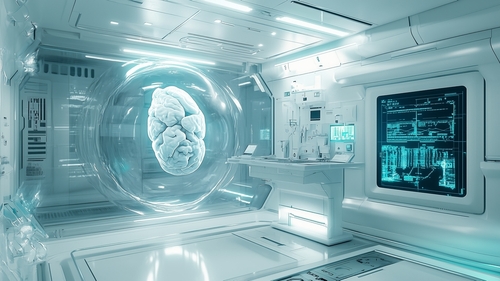
Lab-grown brains—known as brain organoids—are revolutionizing neuroscience, offering unprecedented insights into cognition, disease, and even the ethics of artificial intelligence. Recent breakthroughs suggest these miniature brains may soon reshape medicine and our understanding of the human mind.

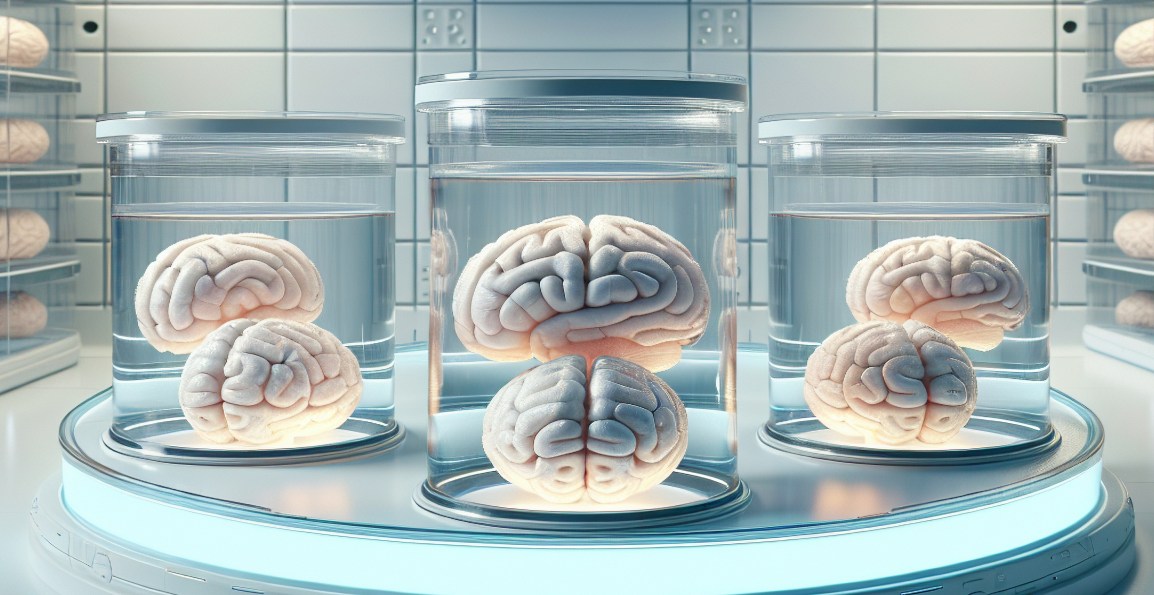
In recent years, scientists have made remarkable progress in cultivating brain organoids—tiny, three-dimensional clusters of human brain cells grown from stem cells. These structures mimic the architecture and activity of early-stage human brains, and while they don’t possess consciousness, they exhibit surprising complexity.

A major milestone came in September 2025, when researchers at Johns Hopkins University demonstrated that brain organoids could replicate the fundamental building blocks of learning and memory. Their study showed that these organoids formed synaptic connections and exhibited electrical activity akin to neural circuits involved in cognition. This opens the door to studying how memory forms and how disorders like Alzheimer’s disrupt it.

Meanwhile, MIT’s Picower Institute unveiled “Multicellular Integrated Brains” (miBrains), a new generation of organoids that include all six major brain cell types, including neurons, glial cells, and vascular components. These miBrains are grown from individual donors’ stem cells, allowing for personalized models of neurological disease and drug response.

Another leap forward came from Stanford University, where researchers cultivated thousands of cortical organoids that pulse with electrical signals and develop layered structures resembling the human cortex. These models are helping scientists investigate the origins of neurodevelopmental disorders such as autism and schizophrenia.

Potential Uses:

  • Disease Modeling: Organoids allow researchers to simulate conditions like Parkinson’s, epilepsy, and ALS in a controlled environment, accelerating drug discovery and testing.
  • Personalized Medicine: By growing organoids from a patient’s own cells, doctors could predict how that individual might respond to specific treatments.
  • Developmental Biology: These models help decode how the brain forms and what goes wrong in congenital disorders.
  • Toxicology and Drug Screening: Organoids offer a human-relevant platform for testing pharmaceuticals and environmental toxins without relying on animal models.

Implications and Ethical Questions:

As organoids become more sophisticated, ethical concerns are intensifying. Could a sufficiently complex organoid develop sentience or experience pain? While current models lack the structure and input required for consciousness, the line between simulation and cognition is blurring.

Moreover, the fusion of brain organoids with AI systems or robotic interfaces raises questions about neuro-enhancement and synthetic consciousness. Some researchers envision hybrid systems where lab-grown neural tissue interfaces with machines to create bio-computers or prosthetic cognition.

There’s also the issue of identity and consent. If organoids are derived from human donors, do those donors retain rights over the research outcomes? And how should society regulate the creation of increasingly lifelike brain models?

Conclusion:

Lab-grown brains are not science fiction—they’re rapidly becoming central to neuroscience, medicine, and bioethics. As researchers push the boundaries of what these organoids can do, society must grapple with profound questions about the nature of thought, identity, and the future of human-machine integration.

The Digital Apocalypse

In an age where digital infrastructure underpins nearly every facet of modern life—from banking and healthcare to communication and transportation—the concept of a “digital apocalypse” is no longer confined to science fiction. It represents a plausible and deeply unsettling scenario: a sudden, systemic collapse of global digital systems triggered by cyberattacks, solar flares, AI malfunctions, or cascading software failures. The consequences would be swift, chaotic, and far-reaching.

Imagine waking up to find your phone dead—not just out of battery, but unable to connect to any network. No internet. No GPS. No access to bank accounts, medical records, or emergency services. Traffic lights blink out, planes are grounded, and hospitals scramble to operate without digital tools. In this scenario, the digital apocalypse isn’t just a tech failure—it’s a societal rupture.

One of the most feared catalysts is a large-scale cyberattack. State-sponsored hackers or rogue collectives could exploit vulnerabilities in critical infrastructure, unleashing malware that disables power grids, corrupts financial systems, or hijacks communication networks. The 2017 WannaCry ransomware attack, which crippled hospitals and businesses worldwide, was a chilling preview of what a coordinated digital assault could look like.

Another threat looms from nature itself: solar storms. The Carrington Event of 1859, a massive geomagnetic storm, disrupted telegraph systems across continents. If a similar event occurred today, it could fry satellites, disrupt GPS, and knock out power grids—effectively plunging the world into digital darkness.

Artificial intelligence, while a marvel of modern innovation, also poses risks. A misaligned AI system with access to critical infrastructure could inadvertently—or maliciously—trigger cascading failures. The more we automate, the more we entrust machines with decisions that affect millions. If those systems fail or are compromised, the fallout could be catastrophic.

The digital apocalypse also raises philosophical questions about dependency and resilience. Have we become too reliant on technology to function as individuals and societies? What happens when the systems we trust implicitly vanish overnight? In such a scenario, analog skills—map reading, face-to-face communication, manual record-keeping—could become survival tools.

Yet amid the dystopian vision, there’s room for hope. Governments and tech companies are investing in cybersecurity, redundancy systems, and disaster recovery protocols. Ethical AI development and solar storm forecasting are advancing. Grassroots movements advocate for digital minimalism and resilience training, encouraging communities to prepare for tech outages.

Ultimately, the digital apocalypse is less a prediction than a provocation—a call to examine the fragility of our interconnected world and to build safeguards that preserve not just data, but dignity. It reminds us that while technology can elevate humanity, it must be wielded with foresight, humility, and a deep respect for the analog roots that still anchor us.

Bioluminescent Plants

In a breakthrough that feels plucked straight from the world of Avatar, scientists have unveiled a new generation of bioluminescent plants—succulents that glow in vivid hues after absorbing sunlight. This development, led by researchers at South China Agricultural University, marks a significant leap in sustainable lighting and bioengineering.

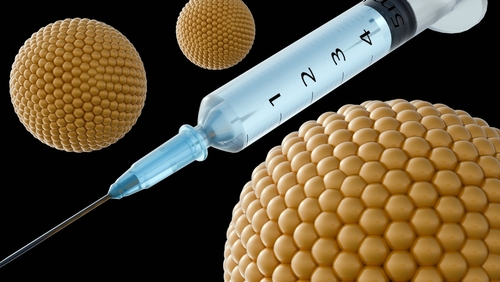
Unlike previous attempts that relied on genetic modification using bioluminescent genes from fireflies or fungi, this new method uses “afterglow” phosphor particles. These particles, made from strontium aluminate and other metals, are injected into the leaves of succulents. Once exposed to light, they absorb energy and slowly release it over time, emitting a soft glow that can last for hours.

What sets this innovation apart is its simplicity and versatility. The particles are carefully sized—about 6 to 8 micrometers, roughly the width of a red blood cell—allowing them to diffuse efficiently through plant tissues while still producing a strong luminescent effect. The result? Succulents that shine in a rainbow of colors, including green, red, blue, and violet. Researchers even created a wall of 56 glowing plants bright enough to read by.

The implications of this technology are both practical and poetic.

Sustainable Lighting
Imagine replacing streetlights with glowing trees or using bioluminescent plants as ambient lighting in homes, offices, or public spaces. These living lights could reduce energy consumption and carbon emissions, especially in regions with abundant sunlight. Unlike traditional bulbs, they require no wiring, batteries, or electricity—just a dose of daylight.

Art and Design
Bioluminescent plants open new doors for landscape architecture and interior design. From glowing garden paths to radiant centerpieces, they offer a dynamic, eco-friendly alternative to artificial lighting. Their multicolored glow can be tailored to evoke specific moods or aesthetics, transforming spaces into immersive, living art installations.

Educational and Scientific Tools
These plants could serve as engaging tools in classrooms and labs, helping students visualize concepts like energy transfer, photosynthesis, and material science. Their glow also makes them useful for imaging and tracing in biological research, where visibility in low-light conditions is crucial.

Environmental Monitoring
Future iterations might integrate sensors that respond to environmental changes—glowing brighter in response to pollutants or temperature shifts. This could turn ordinary plants into bioindicators, offering real-time feedback on ecosystem health.

While the current method involves injecting particles manually, researchers are exploring ways to make the process scalable and even self-sustaining. The dream is to engineer plants that can absorb and emit light naturally, without external intervention.

As study lead Shuting Liu puts it, “Picture the world of Avatar, where glowing plants light up an entire ecosystem. We wanted to make that vision possible using materials we already work with in the lab”.

With this luminous leap forward, the line between nature and technology continues to blur—inviting us to imagine a future where our cities glow not with neon, but with life.

Alien Alloys

In recent years, scientists have uncovered a series of baffling materials embedded within meteorites—substances that challenge our understanding of physics, chemistry, and even the boundaries of terrestrial science. These alien materials, often found in micrometeorites or deep-space fragments, exhibit behaviors that diverge dramatically from anything naturally occurring on Earth.

Unusual Composition and Structure

One of the most striking discoveries involves quasi-crystals—structures that defy conventional crystallography. Unlike typical crystals, which repeat in a predictable pattern, quasi-crystals display symmetries forbidden in standard atomic arrangements. First discovered in a meteorite from the Khatyrka region of Siberia, these formations suggest high-energy, high-pressure environments not found on Earth, possibly originating from ancient supernovae or interstellar collisions.

Even more perplexing are alloys composed of elements like aluminum, copper, and iron fused in ratios that shouldn’t naturally occur. These combinations are thermodynamically unstable under Earth-like conditions, yet they remain intact in meteorite samples, hinting at formation processes beyond our planetary norms.

Magnetic and Thermal Anomalies

Some meteorite materials exhibit magnetic properties that fluctuate with temperature in ways that defy known laws. For example, certain nickel-iron compounds found in space rocks show spontaneous magnetization at temperatures far below their Curie point—a phenomenon that suggests quantum-level interactions or exotic particle behavior.

Thermal conductivity is another puzzle. Alien silicates and carbon-based compounds have been observed to conduct heat unevenly, with directional bias that implies anisotropic lattice structures. In simpler terms, heat travels faster in one direction than another, a trait that could revolutionize materials science if replicated synthetically.

Optical and Electromagnetic Oddities

Perhaps most intriguing are the optical properties of some meteorite fragments. Researchers have identified materials that bend light at angles inconsistent with their refractive index, suggesting internal structures that manipulate photons in novel ways. These could be natural analogs to metamaterials—engineered substances used in cloaking devices and advanced optics.

Electromagnetic interference is also common. Certain meteorites emit low-frequency radiation or disrupt nearby electronic equipment, even when inert. While some speculate residual cosmic radiation, others propose that these materials may interact with the quantum vacuum or possess embedded charge distributions unknown to Earth science.

Implications for Technology and Origin

The implications of these discoveries are profound. If these materials can be synthesized or harvested, they could lead to breakthroughs in quantum computing, energy transmission, and aerospace engineering. More tantalizing still is the question of origin: are these materials the byproduct of natural cosmic processes, or remnants of extraterrestrial technology?

While no definitive evidence points to alien manufacture, the sheer strangeness of these substances keeps the door open to speculation. As analytical techniques improve and more meteorites are recovered, we may inch closer to understanding whether these materials are simply cosmic curiosities—or clues to a broader galactic narrative. In the meantime, they remain silent messengers from the stars, whispering secrets of physics we’ve yet to decode.

The Risks with MRI Scans

Magnetic Resonance Imaging (MRI) scans are invaluable tools in modern medicine, providing detailed images of the body’s interior to help diagnose a wide range of conditions. However, they are not without risks, particularly due to the use of contrast agents—commonly referred to as “dye”—and the potential impacts on patient health.

Contrast Agents: A Double-Edged Sword

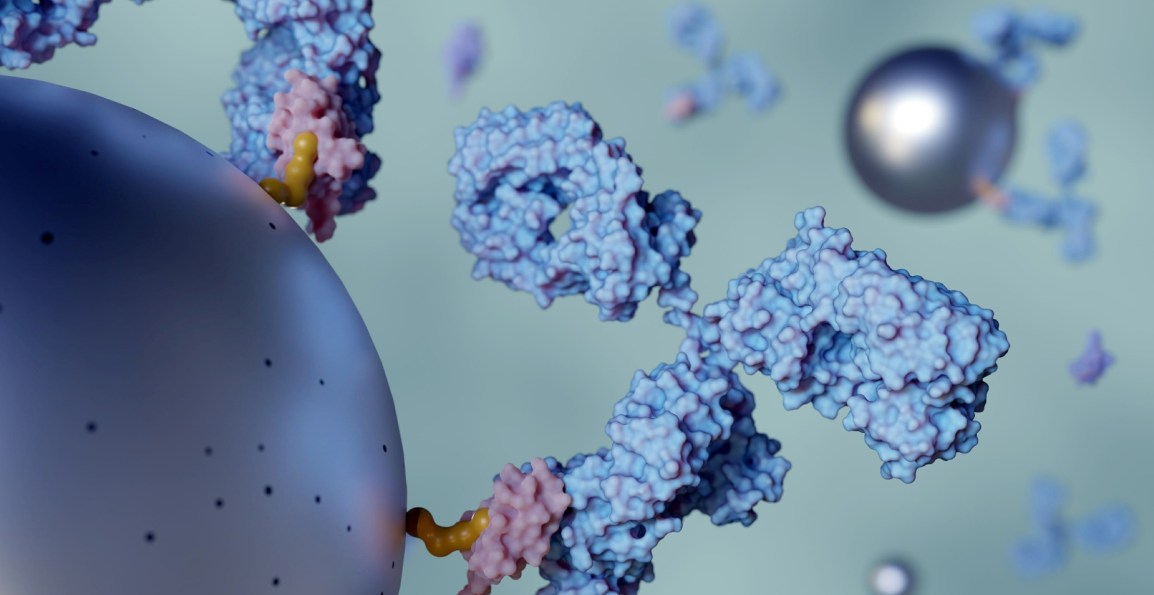
To improve the clarity of MRI images, contrast agents like gadolinium-based compounds are often administered intravenously. While generally considered safe, gadolinium poses certain risks. For patients with impaired kidney function, gadolinium can lead to a rare but serious condition called nephrogenic systemic fibrosis (NSF). NSF causes thickening and hardening of the skin, as well as potential damage to internal organs, significantly impairing quality of life.

Moreover, recent studies have indicated that gadolinium may remain in the body long after the scan. Tiny deposits have been found in organs such as the brain, raising concerns about long-term effects. While the clinical implications of these deposits are not yet fully understood, researchers are investigating potential links to neurological symptoms, including headaches and cognitive changes.

Allergic Reactions and Toxicity

Contrast agents can also trigger allergic reactions in some patients, ranging from mild symptoms like rash and itching to severe cases involving difficulty breathing or anaphylaxis. Although these reactions are relatively rare, they represent a serious risk for individuals prone to allergies.

Additionally, gadolinium is toxic in its natural state and is only safe for medical use when bound to specific molecules. In certain cases, this bond can break down, especially in patients with compromised renal function, exposing them to toxic forms of gadolinium.

Physical Risks During the MRI Procedure

Beyond the contrast agent, the MRI procedure itself is not entirely without hazards. The powerful magnetic fields used in MRI can interact with metallic implants or devices inside the body, such as pacemakers or artificial joints. If precautions are not properly taken, this interaction can lead to malfunctioning of the devices or even physical harm.

Patients with claustrophobia may find the enclosed space of the MRI machine extremely distressing, potentially causing significant psychological discomfort. Sedatives are often required in such cases, introducing additional risks associated with medication.

Impact on Vulnerable Groups

Vulnerable groups, such as pregnant individuals, also face unique challenges. While MRI scans are generally considered safe during pregnancy, there is limited data on the effects of gadolinium exposure on the developing fetus. As a precaution, contrast-enhanced MRI is typically avoided during pregnancy unless absolutely necessary.

Balancing Benefits and Risks

Despite the potential risks associated with MRI scans, they remain a critical diagnostic tool that has revolutionized medicine. It is essential for healthcare providers to carefully assess the necessity of MRI scans and contrast agents, particularly for high-risk patients. By weighing the benefits against the risks and exploring safer alternatives, the medical community can ensure that these powerful tools continue to save lives without compromising patient safety.