
Just a decade ago, we never could have imagined the existence of technologically driven services available to us today like Spotify, Uber, Snapchat, Virtual Reality, Instagram, Airbnb and even Google Chrome. And now, they are a part of our everyday life. Being able to easily order clothes, taxis and food using a smartphone has become the norm, and people are spending less time at shopping centres and grocery stores. But for those who really do not want any human interaction, even when receiving their order, are now in luck. Self-driving delivery services are becoming a reality!
What Are Self-Driving Delivery Services And When Will They Be Available?
 Many companies have been working on autonomous vehicles for quite a while now. In recent years, certain companies have been working hard to make self-driving delivery services a norm. From Nuro that already have a working model, to Ford that has teamed up with Walmart and Postmates to deliver everyday groceries to customers at affordable prices. Self-delivery services are deliveries that are made using autonomous vehicles. No drivers, just the goods you want. Ford has been testing using a research vehicle that mimics autonomous vehicles to gather more info about customer preferences. Ford has stated that commercial autonomous vehicles will be available by 2021.
The Benefits Offered By Autonomous Vehicles
Besides being able to conveniently get goods delivered to your home, workplace or sent as a gift to someone without the hassles of dealing with a delivery driver, or having to shop for it yourself, there are many potential benefits that autonomous vehicles offer. One such benefit is reduced costs for stores, as they will not have to hire drivers. Another benefit is that it could be potentially safer, as someone who is home alone and is ordering from a store could meet a potential predator when dealing with delivery personnel. Also, for people who have severe social anxiety, they will not have to contact a delivery driver when ordering groceries, or have to go out to do their grocery shopping either. The same goes for those who are suffering from a contagious illness. Autonomous vehicles would lead to less humans driving on the roads, potentially reducing the risk of injury and death due to accidents.
The Potential Dangers Posed By Autonomous Vehicles
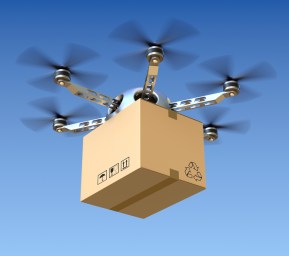 Besides the ‘technology becoming smart enough to come alive and kill people’ scenario from terminator coming true, there are some realistic dangers that autonomous vehicles pose. Firstly, they could lead to unemployment with stores opting for self-deliveries rather than hiring deliverymen. It may also lead to excessive social anxiety and laziness, and people will really not need to leave their homes in order to get something, but would rather just avail the services of an AV to get the job done.
Self-driving cars have been a popular subject of conversation for many years, but the fact that now companies have already launched, or are ready to launch, autonomous vehicles just tells us how much technology has advanced, and how much we rely on technology to live our life.
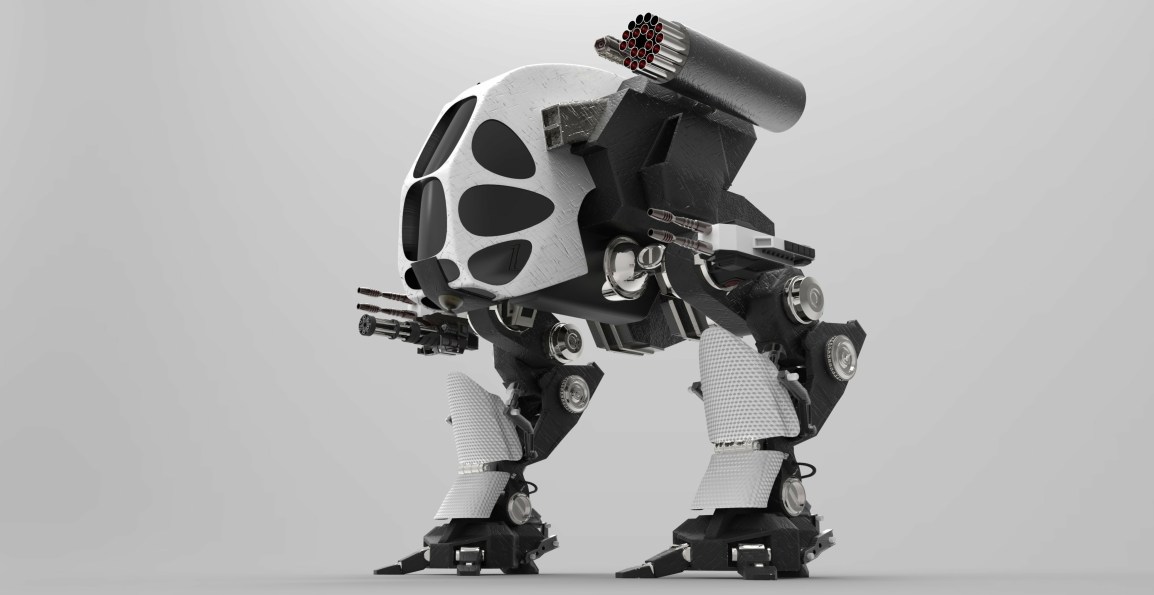
 Just four years ago, Stephen Hawking warned everyone that, ‘the development of full artificial intelligence could spell the end of the human race…. It would take off on its own, and re-design itself at an ever-increasing rate. Humans, who are limited by slow biological evolution, couldn’t compete and would be superseded.’ And with the superpowers all investing in autonomous weaponry, it is frightening to think of the consequences that could prevail in the near future. The US Department of Defense already displayed 103 autonomous drones flying over the state of California. Even though they were not armed, they flew without any human input, reaching their destination automatically with the algorithms set. Weaponry with differing degrees of self-sufficiency actually being upgraded and used by those who have a high-tech military, including China, the US, Russia, the UK, Germany, South Korea and Israel. Countries such as China are completely silent regarding their position on LAWs (lethal autonomous weapons), and others are vague, which is quite a frightening thing to think about.
 International campaigns such as Campaign to Stop Killer Robots has been urging countries to talk about banning autonomous weapons since 2013. Just by banning two functions involved in autonomous weapons such as automatically selecting targets and using violent techniques can really save the world from the potential horrors of autonomous killer robots, without hampering researchers’ advancement in AI technologies.
 The basic difference between classical computing and quantum computing will be the speed at which the computer is able to solve problems. With classic computers, the general thought is that problems that we can’t solve in any reasonable amount of time with just good old plain human brain power, can be solved relatively quickly. But with quantum computers the size of the problems we will be able to solve will seem astronomical compared to what today’s computers are capable of.
 But perhaps the most important thing that quantum computing will bring to our current technological state is the new tech that we will have to create in order to build a quantum computer. The National Science Foundation has announced plans to officially pursue the knowledge necessary to get us there with their new STAQ (Software-Tailored Architecture for Quantum co-design) project. The project will be bringing together scientists, programmers, engineers, and physicists from around the country to get the job done, with a cool $15 million dollar budget and a 5 year set proposal to see the world’s first quantum computer.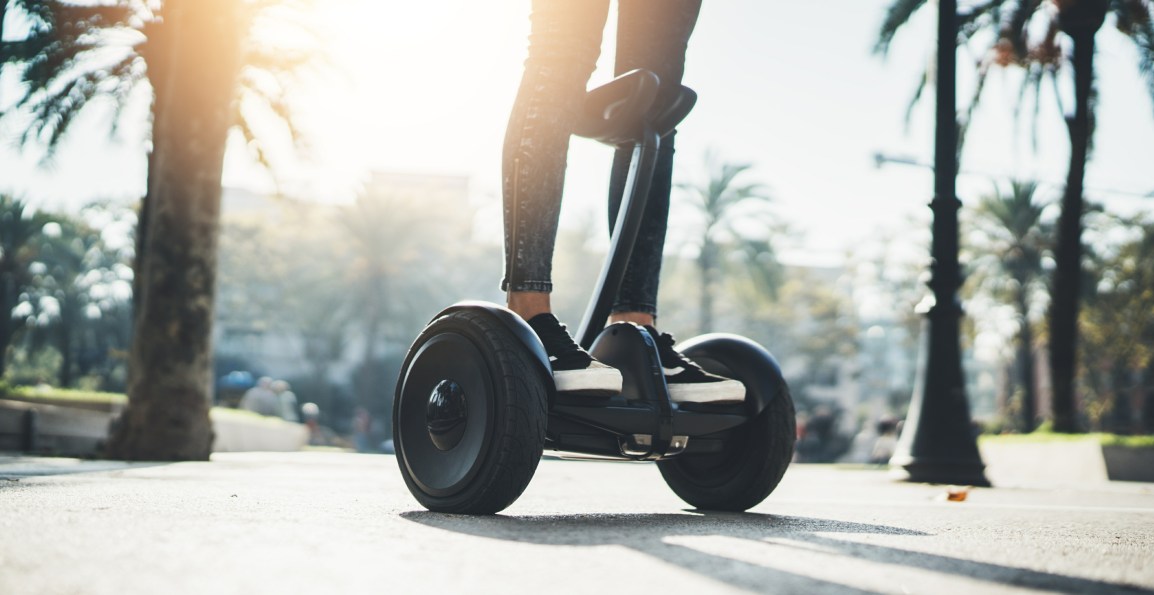
 Despite not reaching sales goals, the companies investors remained positive. In 2006, all Segway PT’s sold since launching were recalled due to a software malfunction that caused the machines to reverse and had the potential for injuring riders. In late 2009, millionaire businessman Jimi Heselden bought the company but then died in a freak accident just a few months later when the Segway he was riding went off a cliff.
 While it seems the company has been revived by its new owners and is likely to see some better sales with these newer products and better marketing (after all, the original Segway PT only sold some 30,000 units), it seems a bit unclear whether these new e-skates will really be the personal transport of the new generations.

 Perhaps this is the beginning of a future where humans even have augmented senses – eyesight like an owl, or the hearing capability of a bat. A future where we can start to wipe out some of the most common medical issues we face. A technology that can grow with us and perhaps even lengthen our lifespan.
