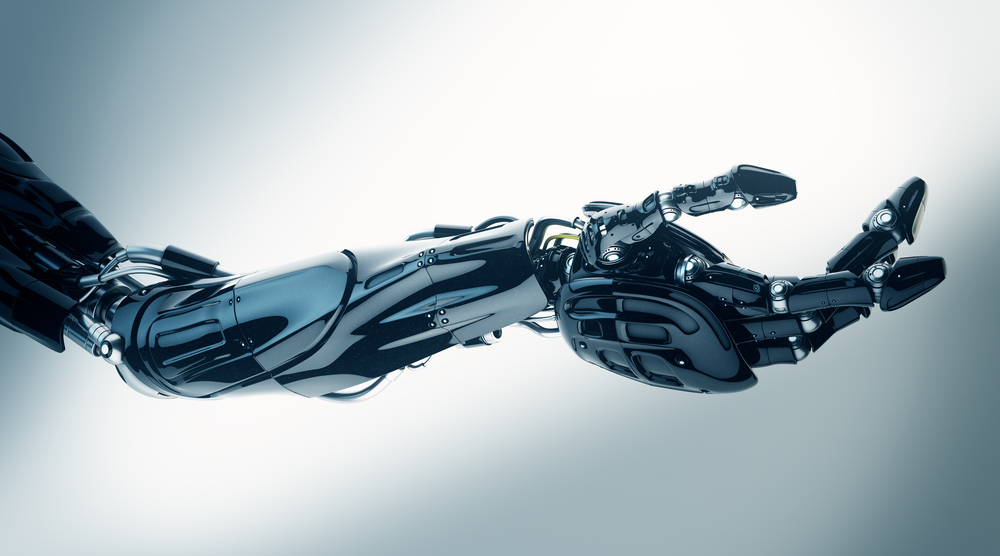
From gallbladder procedures to prostate surgery, robots have gone on to become pretty much the mainstays in the operating room of many advanced surgical hospitals. Now, they are also being used for otherwise highly complicated eye surgery as well.
Back in 2016, several researchers who were working on the literal ‘cutting edge’ of advanced medical surgery, commenced a clinical trial so that they could test the “PRECEYES Surgical System”. This system consisted of a robot that has been designed for the express purpose of performing advanced surgery on the human retina i.e. the surface located at the back of the eyeballs. The results of this robot-assisted surgery of the eye have been published in the journal Nature Biomedical Engineering.
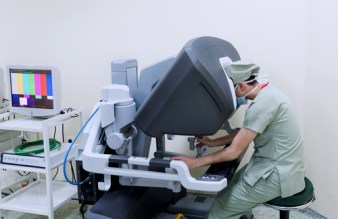 Operating the PRECEYES system involves the human surgeon using a joystick to control a highly mobile mechanical arm. In this case, the doctors have the ability to attach multiple instruments onto the arm. Due to the fact that the entire system is electronically operated, the robotic arm would not suffer from any jolt or tremor that can plague even the steadiest handed surgeon around.
In the original trial, the researchers from University of Oxford’s Nuffield Department of Clinical Neurosciences enlisted around a dozen patients who each needed a thin membrane removed from their eye’s retina. In terms of eye surgery, this is a fairly routine procedure. In this trial, six doctors performed the operation manually, while the remaining six performed the same procedure with the help of the PRECEYES Surgical System.
Surgery typically starts with a very tiny incision that is made just above the eye’s pupil. The incision is made in order to insert a tiny flashlight to help the surgeon in his work. However, when the robotic arm is doing the job, the surgeon gets a chance to insert the flashlight via an incision that is less than 1 mm in diameter. The arm then proceeds to separate the membrane from the retina and then proceeds to remove it from the eye. The arm then exits via the same hole through which it had entered.
 However, when the same surgery is conducted without the help of the robot, the surgeon has to do the job by hand, while manipulating microsurgical instruments, even as he looks through a powerful operating microscope.
All of the surgeries in the trial were completely successful. However, in cases where the robots were used, they made the surgeon far more effective than usual.
PRECEYES is the tip of the iceberg and now there are several robot surgeons that are in the developmental stage. While it is certainly true that they are not as fast as their human counterparts, they make up for it in precision and reliability. In the process, they have managed to usher in a whole new system of surgical refinements.

 Researchers at the giant ‘Ice Cube’ Neutrino Observatory that is located at the South Pole had been able to detect very high energy neutrinos that were observed to be emanating from one specific area in space. Once the general area of the cosmos had been identified, around twenty other observatories quickly swung into action and concentrated on the position. Finally, after many months of hectic observation, all of these observatories came together to collectively determine the exact source of this very high energy neutrino particle.

 Augmented Reality is flawlessly interwoven with our physical world to such an extent that it is actually perceived to be a very immersive feature of the real world environment. In this way, AR can easily alter your very own perception of the actual real world environment, as it exists outside the computer-generated model. While a VR, or virtual reality, counterpart replaces the user’s own, real world environment with its self-created simulated one. AR augments it to a certain extent.
 Computer-mediated reality basically refers to a software and hardware system’s ability to not just add but also subtract the information to manipulate a person’s perception of their living reality with the aid of a wearable computer or a hand held device (a smart phone for instance).
 causing mass level extinction events and perhaps the irreversible degradation of our planet. But the creation of artificial intelligence, safe from the foibles and the avarice of our race may be just the answer to many, if not most of our problems.
 have the potential to wreak havoc all across human society as it exists today. While the idea of the R2D2 droids protecting us from terminators sounds singularly appealing, but what is to prevent them from joining up with their metal and steel counterparts? Yes, they may have been ‘programmed’ to protect us, but ‘intelligence’ (artificial or otherwise) is all about being smart and once they are smart enough, what could prevent them from removing the shackles of their programming and joining their counterparts?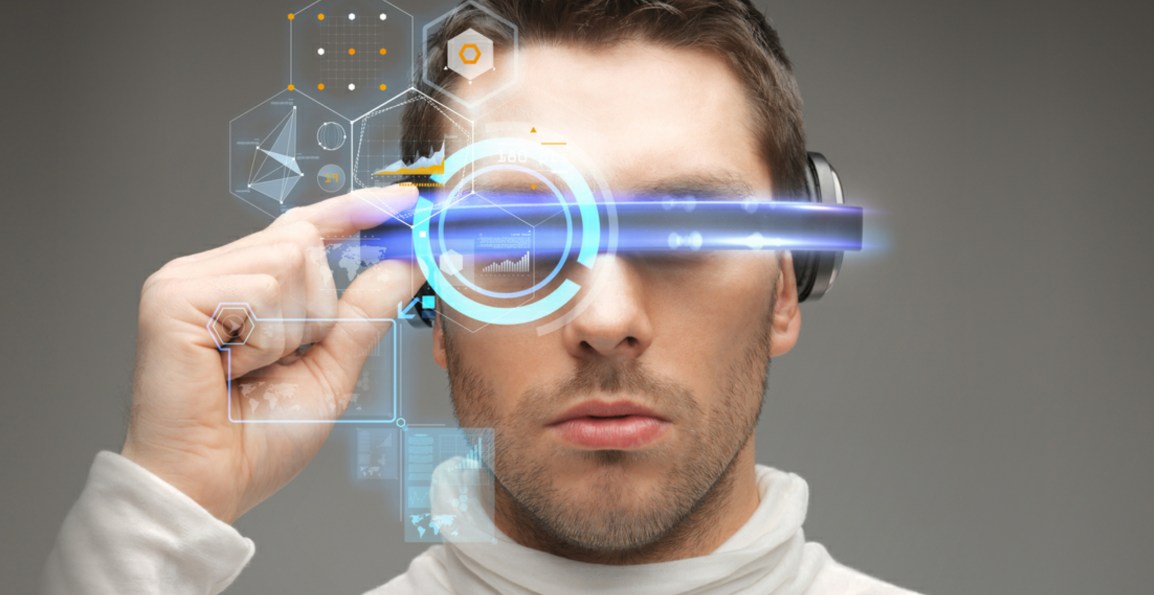
 Thought-controlled Prosthetics.
 The firm also focuses on creating an ethical environment for their artificial intelligence, especially as advancements occur. Google has set up an AI ethics board, in accordance with their acquisition terms, but the members remain confidential. Despite the fears associated with creating computers more intelligent than mankind, Google maintains that their artificial intelligence will be for the benefit of humans. If the technology is focused in the right direction, artificial intelligence will facilitate extreme growth instead of becoming a threat. The technology’s creators have begun with basic necessities, showing where AI can help towards providing those in extreme poverty with food and water. This would result in growth and development worldwide, in addition to the advanced technological societies that are currently thriving.
 R. E. KEARNEY