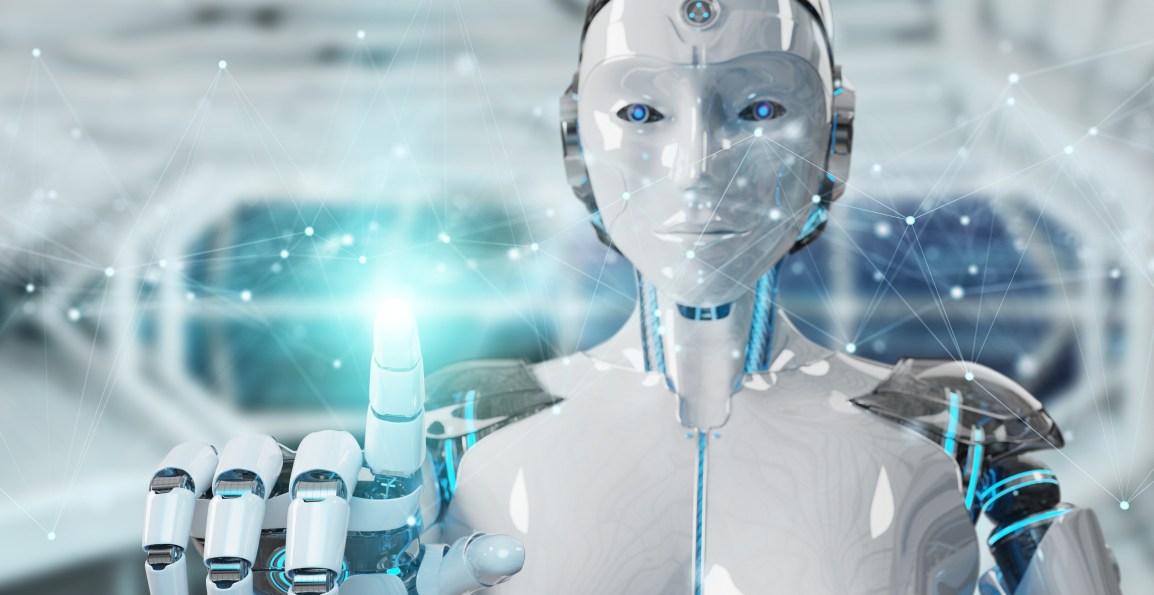
In today’s world, everything is slowly advancing towards automation so there is no doubt that one day in the near future we would have robots doing everything for us, maybe even chores. But to perform all these tasks, robots need to be constructed more reliably, not only in the sense of technology but also in the sense of functioning capacity or in other words; a bigger battery is required.
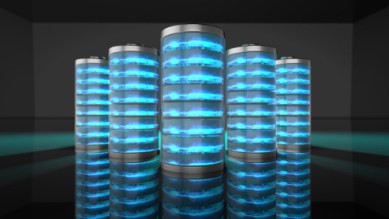 A robot is a machine that obeys instructions fed into it, while on the front it may seem very easy that a robot obliges to your commands but in the back end, complex algorithms and sophisticated programming is operating the machine. To function effectively and efficiently, a reliable battery is crucial.
And that is exactly the scientists’ concern at the University of Michigan. They believe that by just redesigning the robot’s exterior, a better battery life can be obtained. To understand how that is possible we to look at how human bodies in contrast store energy. We humans do not need to carry large batteries with us throughout the day to keep us energized and get us through the tasks of the day. Instead we store energy in fats throughout our body. And when we do something challenging or exhausting, we derive energy required to complete the task, from the fats and then restore it through our diet.
But robots cannot do that, so they only derive energy from the batteries capacity of which can be limited depending on the size of the battery or the placement location on the robot.
 The scientists at the University of Michigan suggest that robotic performance can be increased tenfold by redistributing the batteries location throughout the exterior. Nearly 20% of a robot’s design is occupied by batteries. However, by mimicking the human energy derivation from fat from all over the body, placing batteries in different parts of the robot’s exterior can not only save space and allow it to be used for other purposes, but also allow the robot itself to operate more efficiently. How much more efficient exactly? Nearly 72 times.
Furthermore, scientists suggest that such a large efficiency is possible by replacing lithium-ion batteries with zinc batteries. However, there is only one drawback, zinc batteries only retain high capacity until 100 charge cycles. To compensate for that, zinc batteries are not only cheaper, but also easier to replace as compared to lithium-ion batteries. Similarly, zinc batteries apart from being efficient are also eco-friendly. The battery is designed in a way that it passes ions between a zinc electrode and air through a membrane. All the essential components of a zinc battery are non-toxic in nature. Therefore, zinc batteries are not only eco-friendly but also recyclable, and could be the answer to longer lasting robot batteries.
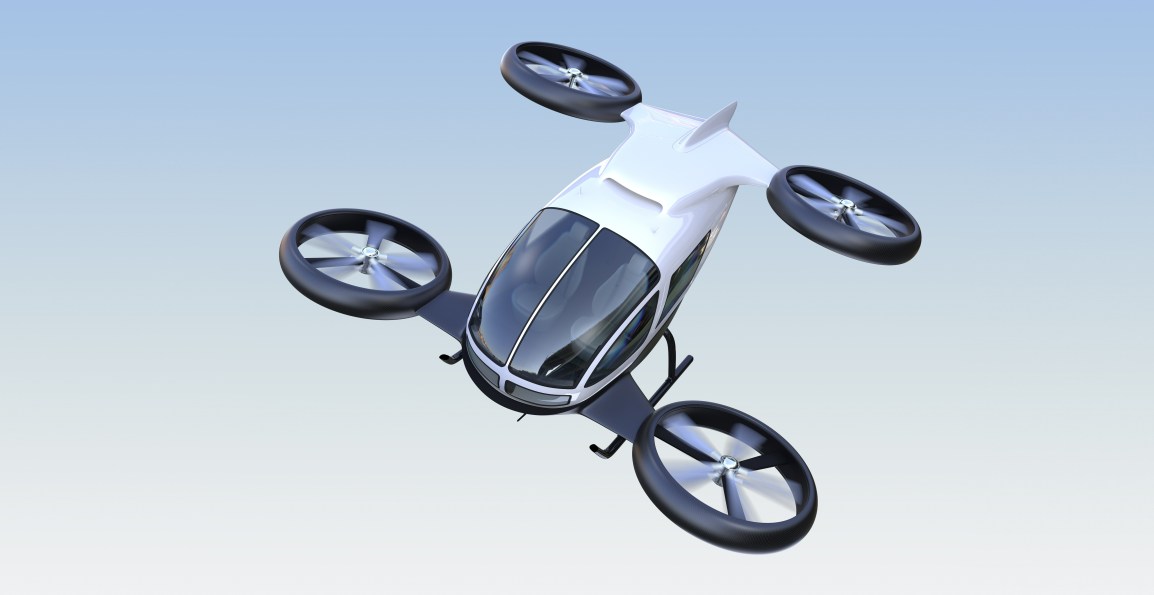
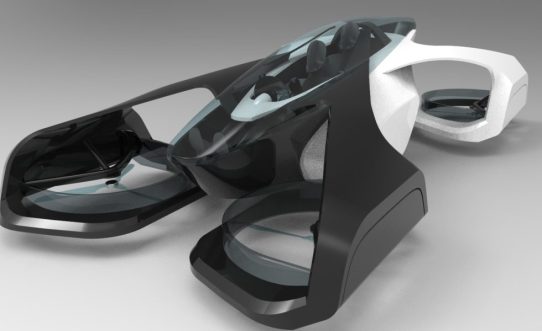
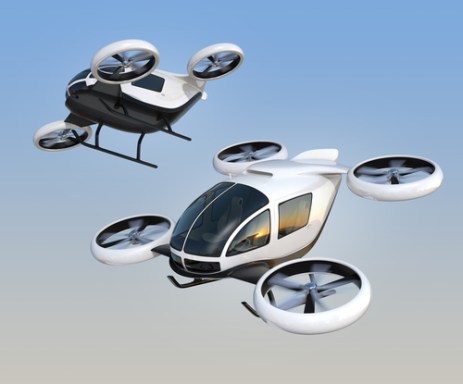 The startup plans to introduce round trips all over Japan, mainly focusing around attractions like Universal Studios. They believe that the model will be flown on autopilot, but will require a pilot should an emergency situation arise.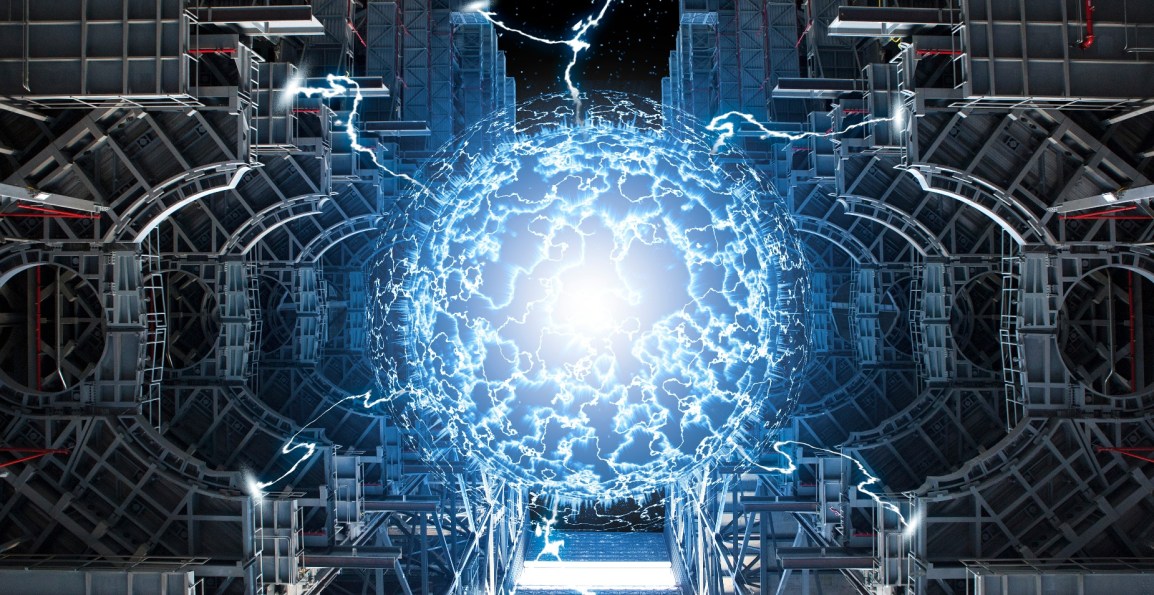
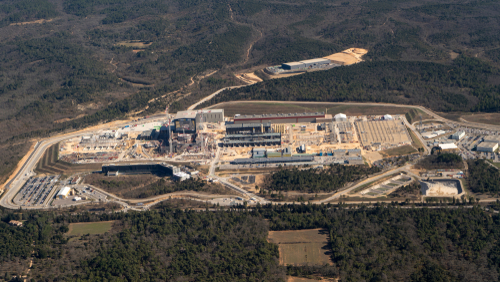
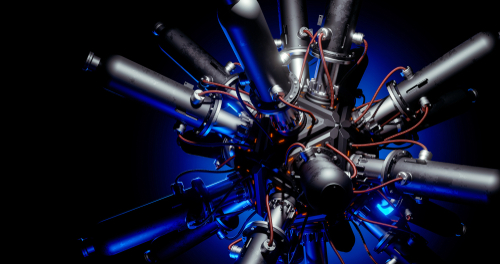 To counter this, ITER plans to create a reactor weighing approximately 23,000 tons while having 3000 tons of magnets that are connected to superconducting cables totaling 200 kilometers long. All of which will need to be kept at a very low temperature of -269 degrees.
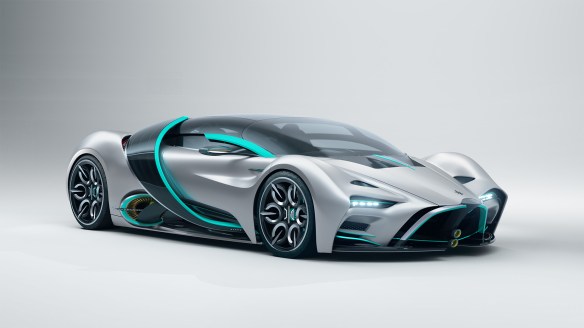
 However, the main issue with this car is that there are not enough hydrogen refueling stations across the country. This then makes it difficult for users to refuel their car and discourages many buyers. In the US in 2018, there were only 39 hydrogen refueling stations across the country, something that would need to change if this technology were truly to become mainstream and commercial.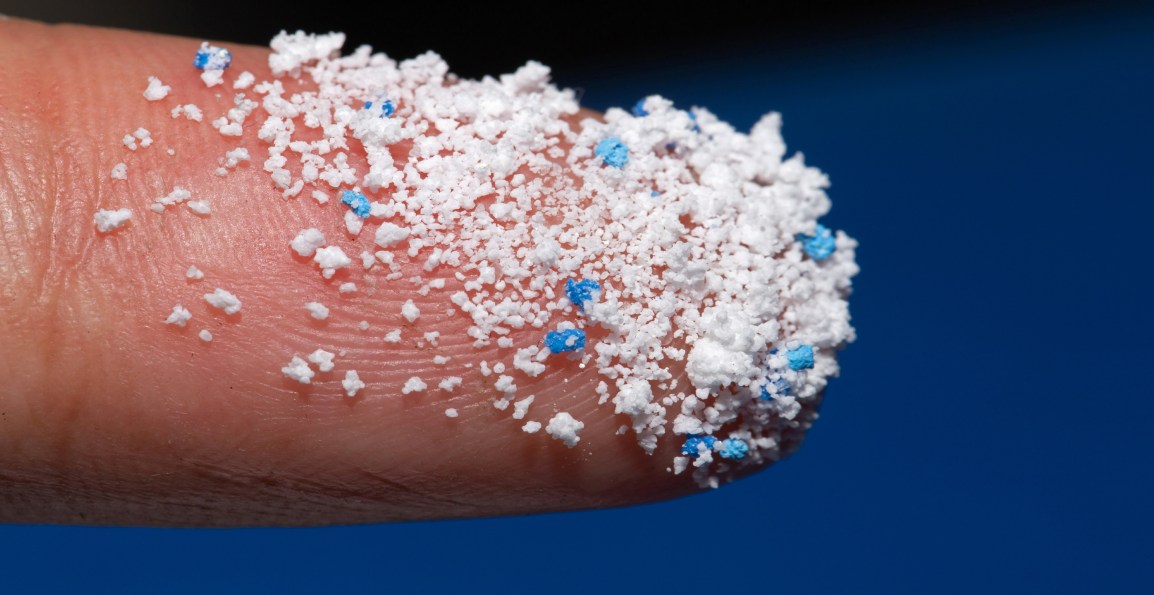
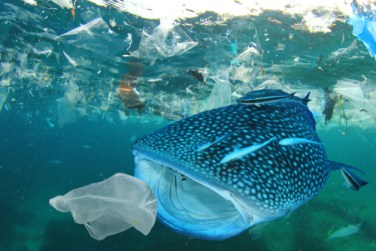 For years now, scientists have been warning us about climate change and the impact of greenhouse gases as well as the fact that plastic does not degrade. However, we did not listen and kept on creating more and more products using more and more plastic. Eventually, it has come to a point where micro-plastic are now evident within human bodies.
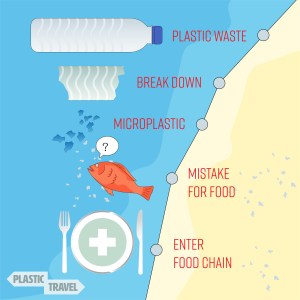 In the samples tested through a mass spectrometer, they found traces of polycarbonate (PC), polyethylene terephthalate (PET), and polyethylene (PE) which are all commonly used plastic products in our daily lives. Bisphenol A (BPA) was also found within the samples, which is a common ingredient within food packaging.
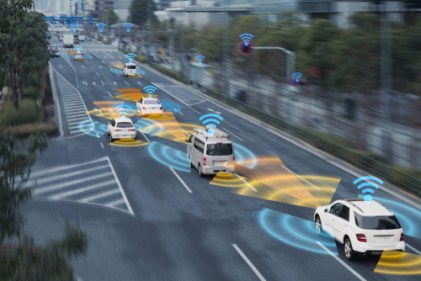 The future that includes these cars may be nearer than we thought. Elon Musk, CEO of Tesla, firmly believes that the dream of the level 5 autonomy in a car may be approaching rapidly. Elon Musk in a recent video stated that by the end of this year, Tesla may be fully equipped for the basic functionality of the level 5 vehicle autonomy. However, it may still be a little unclear about what he meant for basic functionality as Elon Musk didn’t further elaborate on it.
 Apart from Tesla, other companies like Lyft, Amazon and Google have also been focusing on the level 5 vehicle autonomy. In recent times, Lyft has tested out their self-driving feature and stated it as a success. On the other hand, Amazon is known to have bought a self-driving startup company to speed up its focus on developing level 5 vehicle autonomy. Often termed as the leader, the Google spin off Waymo has even put the level 5 autonomy to good use. It has been using a minivan to deliver groceries to customers using level 5 vehicle autonomy. With the pandemic, a contactless delivery option is proving to be extremely helpful.
 R. E. KEARNEY