

More than 400, 000 people have signed up to be eligible to pre-order the Tesla Model 3. This demonstrates how highly anticipated its release has been. Company CEO, Elon Musk, has recently announced that the car will finally become available on the market, in July of this year. Tesla Inc. has been incredibly successful with its production of electric vehicles and the company continues to forge a path towards a ‘solar electric economy,’ by manufacturing products that operate exclusively on sustainable energy sources.
Tesla Inc. unveiled its first electric sedan, Model S, in 2009. Musk describes the Model 3 as ‘a smaller, more affordable version of Model S, with less range and power and fewer features.’ Even though Model S is equipped with more technology, Model 3 is the first step towards fulfilling Tesla’s mission of making their electric vehicles more affordable.
In 2014, Tesla constructed their Gigafactory which allowed them to begin manufacturing batteries which were up to the 30% cheaper. This helped them to develop the Model 3 at a lower price, than previous products. It has also been easier to manufacture than other Tesla models which are more high-end cars. The vehicle is expected to enter the market at a price of $35,000 before tax incentives, and will have a range of at least 215 miles (346 kilometres) per charge. Tesla has set high production targets in response to the public enthusiastic reception of the Model 3. They plan to produce 500, 000 cars per year by 2018, doubling this to 1 million in 2020.
 Previously unused technology has been applied to the vehicle’s design and manufacturing process, but Musk says consumers are unlikely to notice the changes. In 2014, Tesla introduced their semi-autonomous driving system, Autopilot, which will also be included in the Model 3’s features. Self-driving vehicles increase road safety, and Tesla has plans to include this it in all their productions. Due to its Autopilot capabilities, the Model 3 will be equipped with a single dashboard, since the driver will need to view less information.
In response to consumers’ questions about the vehicle’s size, Musk has said that a large cooler can fit in its trunk. It also has a shorter wheelbase which can only accommodate a 75-kilowatt battery-pack. Even so, its range is still comparable to the Chevy Bolt EV, which can travel up to 238 miles on a single charge.
Tesla plans to release other versions of the Model 3, including a ‘performance’ model which will be able to accelerate faster than the original as well as a four-wheel drive (dual motor) option. The company has postponed the introduction of other versions until after the original has been released, to minimise the product’s initial complexity. Tesla has estimated that the other types of Model 3 will be available between six and nine months after the original. The right-handed version (for countries that drive on the left) is expected for release in summer 2018.
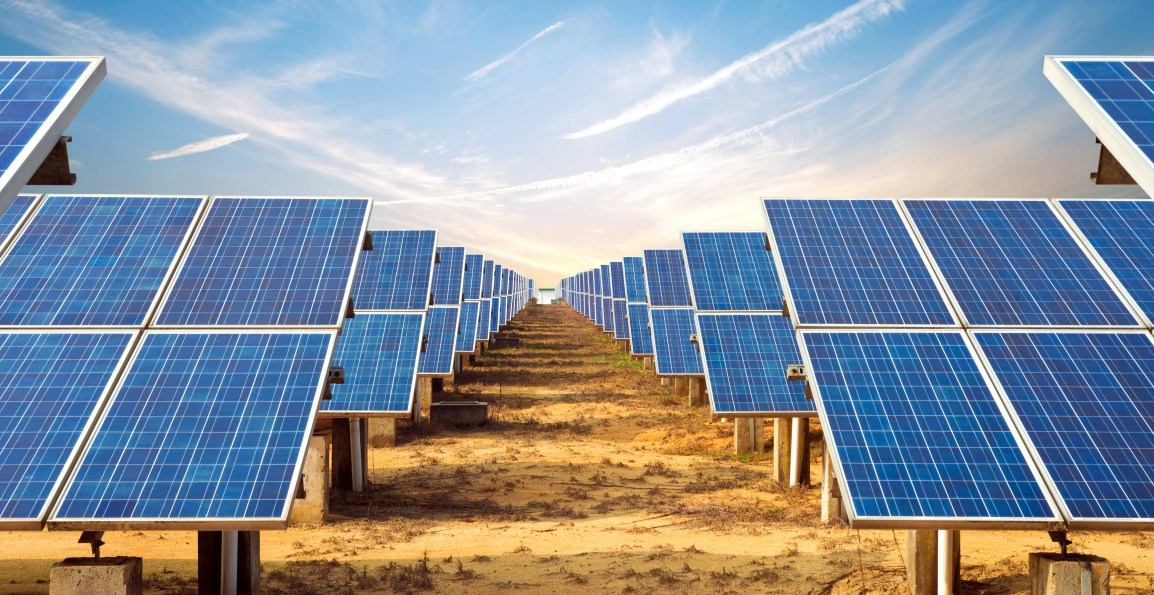
 The World Economic Forum (WEF) has also published a report, stating that renewable energy sources have become more efficient. It states that many of them are now able to compete with the price of fossil fuels, and are even cheaper in many cases. Large companies, as well as entire countries, have begun investing in wind and solar technology. Infrastructure for major organisations and projects now includes solar panels, that have been installed to save on energy costs.
 With increased use of renewable energy being a part of the global plan to monitor climate change, governments are doing their part in making these changes. Many countries are working with car manufacturers to create a transportation system that lowers the use of vehicles that burn fuel. The manufacturers are making more electric vehicles, and governments have approved the installation of more charging stations. In addition to this, solar panels are also being provided at lower costs for use in homes, and many new buildings come with them pre-installed.

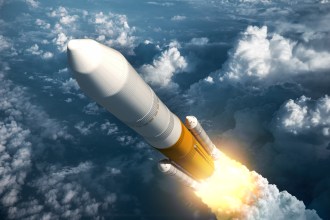
 The telescope had been created by the combined expertise of NASA, The European Space Agency (ESA) and the Canadian Space Agency (CSA). The object is scheduled to be launched into outer space, on an ESA Ariane V Booster from the Guiana Space Centre in Kourou, French Guiana in 2018. Previously, telescopes that were launched into space relied on rigid structures for their stability. The Webb is the first of its kind to be built for both stability and mobility. Its honeycomb appearance is because of its 18-segment ‘golden’ primary mirror, which will need to be folded to fit inside its carrier. When the launch is complete and the telescope safely in space, the mirror will unfold to begin its observations.
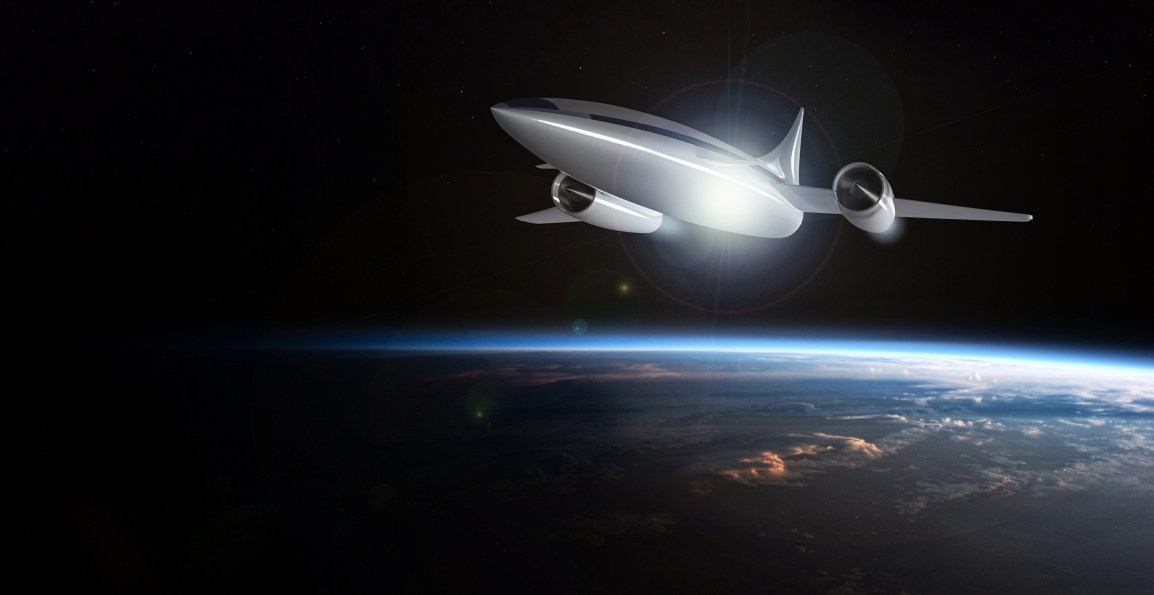
 Once the engine has been perfected, they will use it to guide missiles and subsequently apply the technology to armed drones and surveillance systems. Within several years, the US Air Force hopes to expand this hypersonic technology for use in manned fighters, and other aircrafts. There is currently a need for several overseas military bases, to allow the country to have worldwide access within a given amount of time. Hypersonic aircrafts would eliminate the need for these floating bases, while still being able to facilitate military personnel reaching their desired destination within an hour.
 Enhanced Experiences
  Training Techniques
 R. E. KEARNEY