Fusion Power: The Future of Home Energy?

Imagine a world where you can power your home with the same energy source that fuels the Sun. A world where you don’t have to worry about greenhouse gas emissions, radioactive waste, or energy shortages. A world where you can enjoy clean, abundant, and affordable electricity for generations to come. Sounds too good to be true, right? Well, this is the vision of fusion power, one of the most ambitious and promising scientific endeavors of our time.
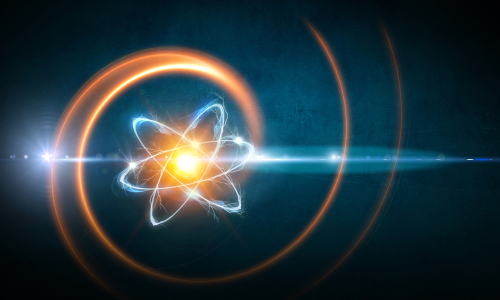
Fusion power is the process of generating electricity from the energy released by nuclear fusion reactions. Nuclear fusion is the process of combining two light atomic nuclei, such as hydrogen isotopes, into a heavier nucleus, such as helium, while converting some mass into energy. This is the opposite of nuclear fission, which is the process of splitting a heavy nucleus, such as uranium, into lighter nuclei, while releasing energy. Fusion power has several advantages over fission power, such as:

– Fusion power does not produce any long-lived radioactive waste, as the fusion products are stable or have short half-lives. Fission power, on the other hand, produces tons of highly radioactive waste that need to be stored and managed for thousands of years.

– Fusion power does not emit any greenhouse gases, such as carbon dioxide, that contribute to global warming and climate change. Fission power, while being carbon-free, still requires mining and processing of uranium, which can have environmental impacts.

– Fusion power uses abundant and widely available fuel sources, such as deuterium and tritium, which can be extracted from seawater and lithium, respectively. Fission power relies on scarce and finite resources, such as uranium and plutonium, which are subject to geopolitical and economic fluctuations.

– Fusion power is inherently safe, as the fusion reactions are self-limiting and can be easily stopped by cutting off the fuel supply. Fission power, however, poses the risk of nuclear meltdowns, explosions, and proliferation of nuclear weapons.

So, how can fusion power be harnessed to power our homes in the future? The main challenge is to create and sustain the extreme conditions required for fusion reactions to occur. These conditions include temperatures of over 100 million°C, pressures of over 100 million atmospheres, and confinement times of over 1 second. To achieve these conditions, scientists and engineers have developed various types of fusion reactors, such as:

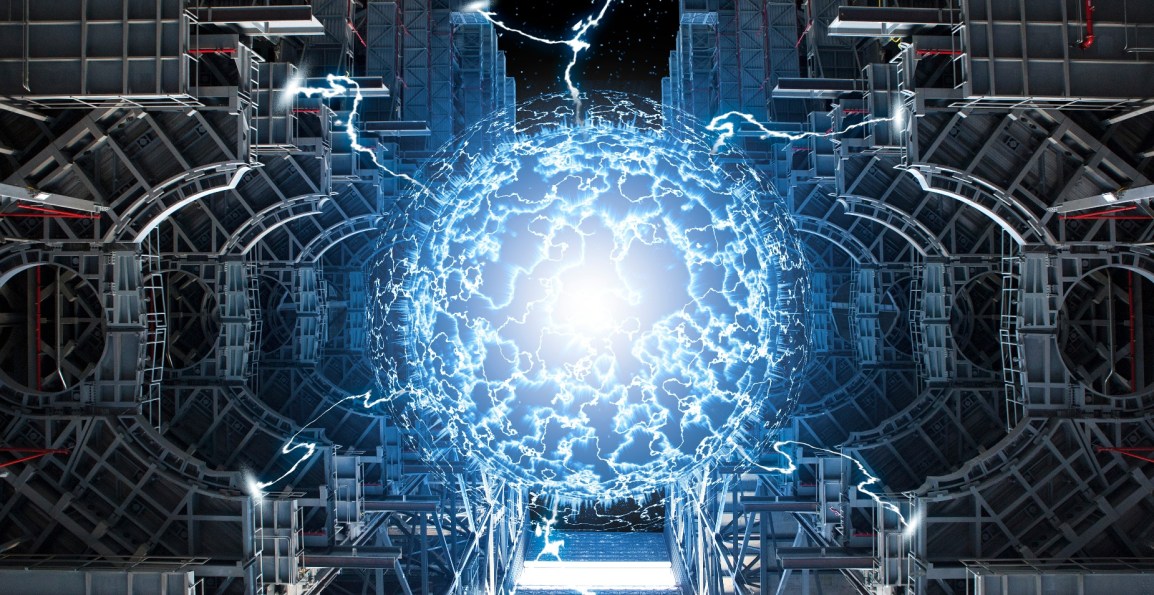
– Tokamaks: These are doughnut-shaped devices that use powerful magnetic fields to confine and heat a plasma (a gas of charged particles) of deuterium and tritium. The most advanced tokamak in the world is the International Thermonuclear Experimental Reactor (ITER), which is being built in France and is expected to produce 500 MW of fusion power by 2035.

– Stellarators: These are similar to tokamaks, but have more complex and twisted shapes that are designed to improve the stability and efficiency of the plasma. The most advanced stellarator in the world is the Wendelstein 7-X, which is located in Germany and is expected to achieve sustained fusion reactions by 2025.

– Inertial confinement fusion (ICF): This is a method of using powerful lasers or particle beams to compress and heat a tiny pellet of deuterium and tritium to the point of fusion. The most advanced ICF facility in the world is the National Ignition Facility (NIF), which is located in the US and is expected to achieve ignition (the point where the fusion energy exceeds the input energy) by 2024.

Recently, a Tokamak in the UK produced 69 megajoules from just 0.2milligrams of fuel – enough to power 12,000 homes.

Fusion power is not a fantasy, but a reality that is within our reach. With continued research and development, fusion power could become a viable and sustainable option for home energy in the near future. Fusion power could revolutionize the way we produce and consume electricity, and transform our society for the better. Fusion power is the future of home energy, and the future is now.

Cats and Mental Illness

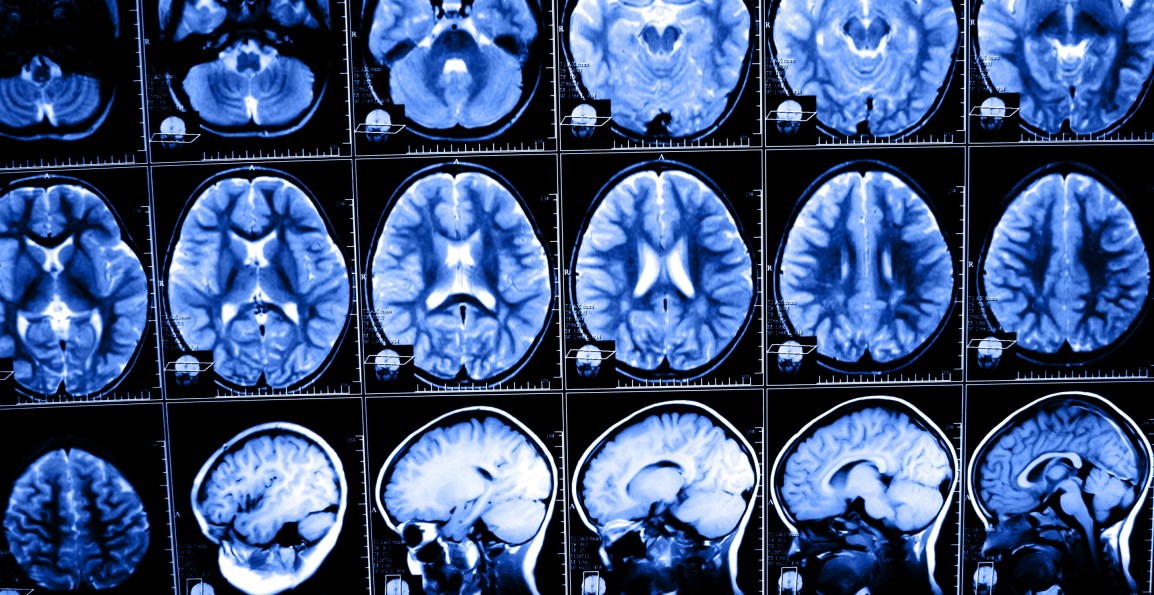
A new study by scientists in Australia has once again confirmed the link between living with cats and developing mental illness, including Schizophrenia, due to a parasite found in cat feces called Toxoplasma gondii.

Cats are the only animals where the parasite can sexually reproduce and produce eggs called oocysts. The oocysts are shed in the cat’s feces and can contaminate the soil, water, or food and effect any warm-blooded animal, including humans, particularly when handling cat litter.

Most people who get infected with Toxoplasma gondii do not have any symptoms and are not aware of their infection. However, some people may experience flu-like symptoms such as fever, headache, sore throat, muscle pain, swollen glands, and fatigue. In some cases, toxoplasmosis can cause serious problems, causing damage to the brain, eyes, heart, lungs, or other organs. This can lead to symptoms such as confusion, seizures, blurred vision, difficulty breathing, chest pain, or coma.

Incredibly, Toxoplasma gondii is not only a parasite, but also a manipulator. It has the ability to alter the behavior of its hosts in ways that increase its chances of completing its life cycle. For example, it can make rodents lose their fear of cats and even become attracted to their smell. This makes them more likely to be eaten by cats, which allows the parasite to return to its definitive host and reproduce. This phenomenon is called fatal attraction, and it is thought to be caused by the parasite’s influence on the brain chemistry of the rodents, especially the regions that control fear, anxiety, and reward.

But what about humans? Can Toxoplasma gondii manipulate our behavior and personality too? Some studies have suggested that people who are infected with Toxoplasma gondii may have subtle changes in their mental health, cognition, and personality. For instance, some studies have found associations between Toxoplasma gondii infection and increased risk of schizophrenia, bipolar disorder, suicide, aggression, impulsivity, and neuroticism. Other studies have found correlations between Toxoplasma gondii infection and decreased reaction time, memory, attention, and intelligence. Some studies have even reported gender-specific effects, such as increased masculinity in men and increased femininity in women.

More research is needed to determine the exact mechanisms and effects of Toxoplasma gondii infection on human behavior and personality. It is also important to remember that Toxoplasma gondii infection does not necessarily mean that one will develop any symptoms or problems, and that most people who are infected are healthy and normal. However, it is still advisable to take precautions to prevent or treat toxoplasmosis, especially for people who are at high risk of complications.

Biological Robots

Progress has an uncanny way of sounding like a science fiction movie. Never more so when it comes to the development of robots, particularly ones which can interact with humans, as well as look and move like humans. But the idea that a robot could potentially be actually “made from” living human cells has taken a giant leap forward by a team of scientists recently.

In a study, scientists have shown that tiny engineered robots made from human cells, called Anthrobots, can help heal wounds and treat disease, and had even managed to regrow damaged neurons.

This might sound extraordinary, but so far the Anthrobots have only managed to achieve this inside a petri dish in a laboratory, rather than inside a living human being. But, it’s a giant leap forward for human/robot augmentation and creating a human with improved healing capabilities.

Researchers used the cells from an adult human trachea. The arrangement of these cells appears to be ideal for forming multi-cellular growths. In the laboratory the cells were encouraged to form these growths, called organoids, with hairy filaments facing outside. Using the filaments the growths were able to successfully move around. Not only was movement observed, but so was growth.

“Anthrobots self-assemble in the lab dish,” explained co-author Gizem Gumuskaya, a synthetic biologist at Tufts University.

Previous research by some of the same team took stem cells from frogs to create the first biological robot called a Xenobot. But this new version uses regular human cells, which ultimately reduces the risk of a host body identifying the Anthrobot as foreign tissue and rejecting it. “Unlike Xenobots, Anthrobots don’t require tweezers or scalpels to give them shape, and we can use adult cells — even cells from elderly patients — instead of embryonic cells,” added Gumuskaya.

“Some people thought that the features of the Xenobots relied a lot on the fact that they are embryonic and amphibian,” explained co-author Michael Levin. “I think this is a much more general property of living things.”

To test the new Anthrobots the team took human neurons and made small incisions in them to replicate a wound or damage. Clusters of Anthrobots were then placed near to the neurons and incredibly they were seen to be helping the neurons to regrow without any genetic engineering or programming. So far the research team is unsure why they do this, but have speculated that there is some form of communication between the cells and that the cells have a natural programming that instructs them to perform biological functions.

At the moment the Anthrobots can only survive in the lab and biodegrade within 60 days. They also can’t reproduce and spread uncontrollably. However, the hope one day, is to successfully transplant these Anthrobots into a human body, opening the door for a new form of medical treatment, and possibly a new variation of the human race.

Level 3 Driving Automation

Self driving cars have been a regular staple of science fiction books and films, and a goal for several car manufacturers, particularly Tesla.

There are several levels attributed to the progress manufacturers strive to attain on the journey to driverless cars. At present Tesla has achieved a Level 2 with their Autopilot driver assistance software. This is where a car can keep itself in its lane, adjust speed according to the car in front, as well as make lane changes. But, a driver still needs to be present and is still required to monitor the road conditions and take control when required. Level 2 is merely the car technology assisting the driver, but not taking over from the driver.

Level 3 is the same as level 2, with the driver still present to take over if required, but where the driver is not required to monitor the road, allowing them to use the time for other things – working, reading, watching TV. Where Level 2 is technology assisting, Level 3 is human assisting. Level 4 detaches the human altogether with the vehicle in complete control, allowing the occupants to sleep should they wish.

Level 4 driving automation is still a long way off, but for the first time Mercedes-Benz has achieved a level 3 state.

“It is a very proud moment for everyone to continue this leadership and celebrate this monumental achievement as the first automotive company to be certified for Level 3 conditionally automated driving in the US market,” said Mercedes-Benz USA CEO Dimitris Psillakis.

Navada is the first state to approve the use of these Level 3 vehicles, but only up to a maximum of 40mph. It’s likely that other states will approve the vehicles too, and like a lot of technological advancements, once one company has achieved Level 3, other manufacturers will quickly attain the same improvement. Which then begs the question – how long will it be before Level 4 is achieved and the future of travel changes forever?

But, there are some who doubt that Level 4, or even a safe level 2 and 3, can truly be achieved.

Anthony Levandowski, cofounder of Google’s self-driving division, believes little progress has actually been made in the last twenty years and at a cost of $100 billion. Whilst the glorified tech demos show monitors, symbols, and geometrical shapes to show awareness of the cars surroundings, they don’t show the inconsistency, and unpredictable changes in the surroundings. You don’t have to search for long on the internet to find videos of self driving cars causing accidents and injury, and the lawsuits that follow.

Live longer. Eat Chilies.

The proverb “an apple a day keeps the doctor away” is famous for all the right reasons. It is common knowledge that food is excellent for health. But while we focus on apples and bananas, we overlook a fruit that may help us live longer. Research has shown that chilies reduce health risks. 


Diet sits at the heart of discussions regarding health and fitness. No amount of workout will be sufficient unless food intake is healthy and hygienic. Among foods that nurture our bodies, chilies have to be the most overlooked one as these fiery looking fruits are incredibly beneficial for overall health, according to research. 


About 80% of adults over the age of 65 die due to natural diseases such as cancer, heart diseases, diabetes, and stroke. Doctors advise to steer clear of oily foods and sugars, but it appears that chilies might help people live longer. 

 

A review showed that those who add chili peppers to their food for 20 years had lower chances of death by 13% compared to those who didn’t.


Here’s how it works; the peppers don’t magically make you younger. The chili peppers work on minor and various areas of your body, reducing health risks. For instance, chili peppers can help you lose weight. A significant cause of death and poor lifestyle among food lovers is obesity. Chili pepper speeds up your metabolism, allowing you to remain fit and healthy. 


Red chili peppers are also efficient body boosters. Oranges are famous for their Vitamin C provision. However, research shows that Chili peppers beat oranges in Vitamin provision. The fiery peppers are packed with Vitamin C, A, B, and E. These vitamins help protect cells in the body and prevent inflammation. 


However, there are not enough papers to back up the research; Chili peppers have also shown to fight cancer cells. The fiery pepper can kill up to 40 types of cancers such as lung cancer, liver cancer, colon and pancreatic cancer. The chemicals in peppers can stop the growth of cancer cells, according to the American Association for Cancer Research. 

Capsaicin in chili peppers is the “life saver”


The benefits of chili pepper are numerous because of a compound called capsaicin. 


Capsaicin in chili peppers has anti-microbial properties and plays a crucial role in heating up your body, and in turn preventing the fat from accumulating. 


Apart from this main compound, chili peppers are rich in potassium that plays a pivotal role in preventing heart diseases, especially when combined with folate. Both the acids help balance your blood flow, keeping your vessels relaxed. 


However, excess of everything is bad. Doctors recommend a balanced use of chili pepper as excessive intake can cause stomach problems.