
Many life changing inventions surfaced during the 20th century, and one of the most important was the classic computer. Most of the technology that we currently use is based on this, in one way or another. The fundamental building block of the computer is the bit, which can only exist in two states ‘0’ and ‘1.’ Algorithms which can be manipulated using either of these states are the basis on which computers currently solve problems. This creates limitations to the issues that a classical computer can address. In order to expand computing and our technological capabilities, researchers have turned to the development of the quantum computer.
In a quantum computer the building blocks, called qubits, can exist in the ‘0’ and ‘1’ states as well as any combination of both. This means that instead of being able to register one solution to a problem at a time, qubits would allow the computer to focus on all possible solutions at the same time! This theory is called quantum parallelism, and when applied to computing will create more effective and faster computers than classical ones. New algorithms are being created to apply to this technology, in order to enable quantum computers to solve some of the world’s hardest problems.
 One of the areas that is greatly affected by any technological advancement is the medical field. Through the breaking down of DNA, medical research has proven that treatment which has been modified for each individual tends to be more effective. Even though they have identified that our genes are made up of protein molecules, medical researchers do not have technology that is currently able to analyse these proteins. Quantum computers will be able to map these in the same way that we are currently able to map DNA will a classic computer. This will be a tremendous leap in treating hereditary and deadly diseases, quickly and efficiently, based on an individual’s genetic makeup.
One of the differences between humans and computers is our ability to follow our instincts, and may be what determines life and death for many. Classic computers are currently used to try and pinpoint where and when terrorists may strike. Their ability to identify a target is based exclusively on facts. Quantum computers will be able to expand on this knowledge creating possibilities without having a definitive reason for doing so. In other words, using their intuition!
D-wave is a company that has taken the research into quantum computing to advanced levels. The processors that they have developed use ‘quantum annealing’ to solve problems. This means that they ‘tune’ qubits to return the set of answers which will provide the best possible solution, as well as a list of other options. Using this system D-Wave has developed their flagship product the 1000-cubit D-Wave 2X quantum computer, which is the most advanced in the world. With large companies such as Google, NASA, and the CIA’s In-Q-Tel investing in D-Wave’s technology, it will be no surprise if this is the beginning of an artificial intelligence to rival human capabilities.

 The internet has changed the way we shop for everything, especially the large amount of presents that we normally buy. We can order most of them from the comfort of our living rooms, and many online companies will even help you plan your Christmas ideas from earlier in the year. Groceries are delivered directly to the house and gifts wrapped and dropped off at the click of a mouse, virtually eliminating the need to wait for long periods in lengthy lines.
 For most people Christmas is a time for family, and everybody would end up crammed into grandma’s house for the majority of the season. Even though we all love sleeping on the living room floor with cousins that we only see once a year, with families now scattered across the world this is not always an option. Skype, and social media, have made it possible for us to see and celebrate with loved ones over long distances. It is a great way to feel closer to home, when we have no choice but to be far away. Partaking in the festive drinks via your laptop and seeing hundreds of Facebook photos, means that Christmas is always spent close to loved ones. Perhaps as close as you really want to be.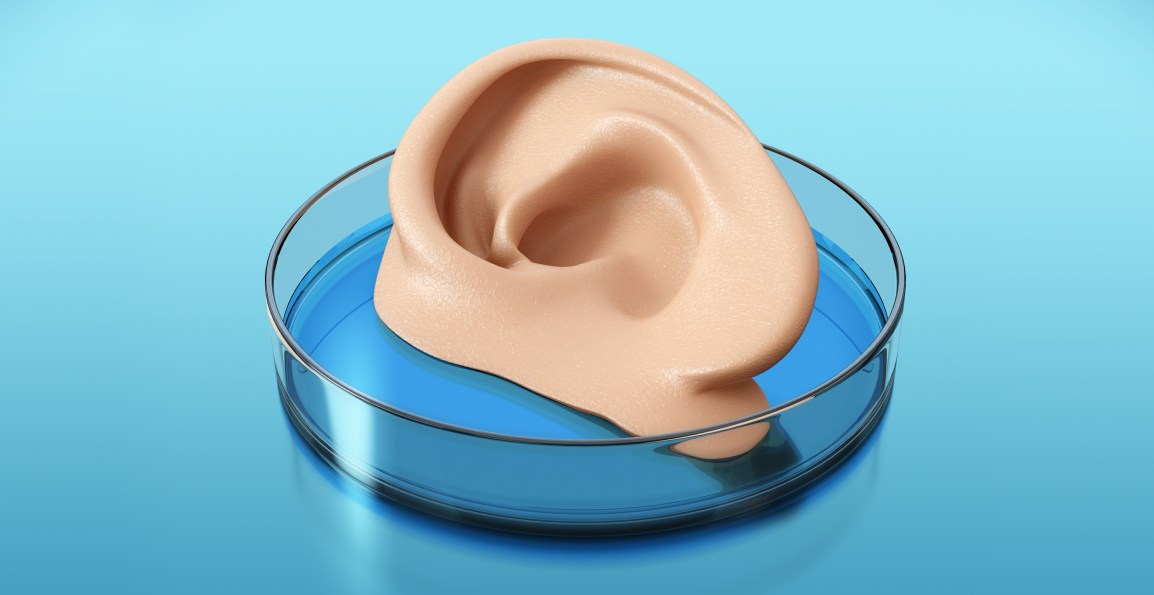
 Bioprinting is the name given to this process, and is basically the 3D printing of human tissue. It begins with creating an ink from living human cells, and layering them together to form the tissue. Most bioprinting is currently undertaken by independent laboratories, under carefully monitored conditions. This means that those who would be using the organs do not have the actual facilities to make them. The Queensland University of Technology and the Metro North Hospital and Health Service have formed a partnership in order to change this. This collaboration has set out to establish a ‘biofabrication institute,’ which will be able to undertake all the steps needed to print the patient’s tissue and use it in one place.
 The cost of a transplant would also decrease over time, as the organ is unlikely to be rejected by the body. This means that there will be much less aftercare needed, and the use of antibiotics and metallic implants practically eliminated. The 3D printing of organs is just the beginning, as engineers are hoping to progress to 3D printing of bones and customized prosthetics. The specifics also mean that drugs can be tailored to each patient’s needs. Bioprinting continues to be a source of hope for many, as the need for organs increases daily, and the creation of the institute has given a new lease on life to those that continue waiting.


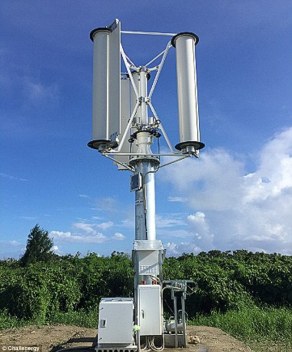 These large storms are created in regions of low atmospheric pressure, with winds which can exceed 85 mph. Japan has been using European designed wind turbines which have been proven to be incapable of withstanding the force behind the typhoons, and many of them are destroyed by the winds. Shimizu’s eggbeater shaped turbine has been specifically designed to withstand these conditions with two vital changes to the traditional design.
 R. E. KEARNEY