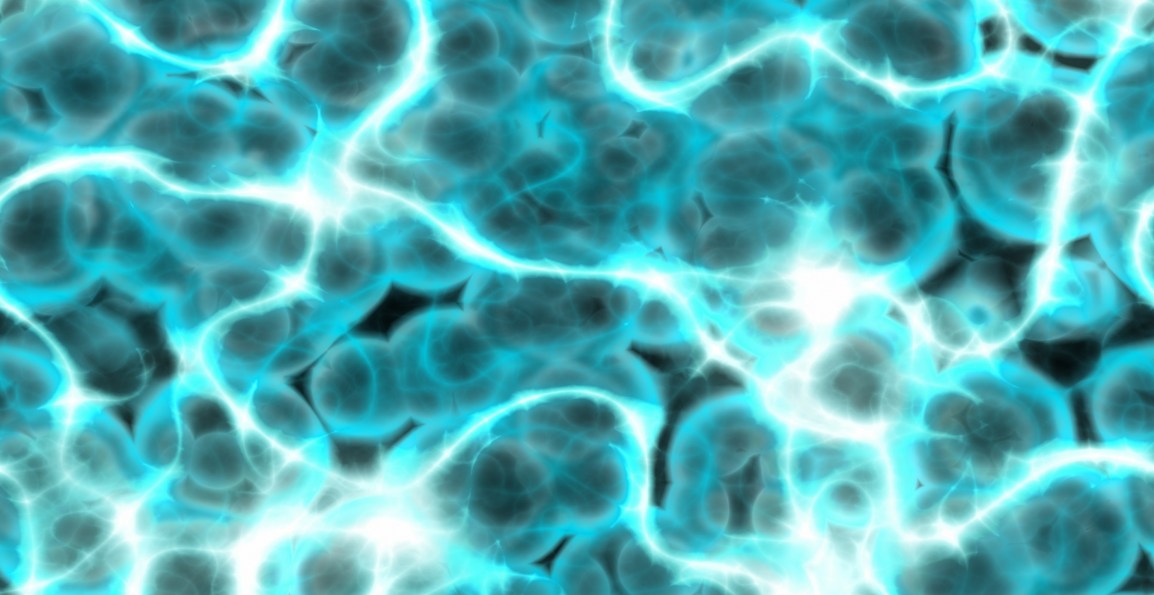
In the quest for finding the most economical means to produce countless watts of power, science has been spending billions of dollars. Turns out it isn’t just human beings that are able to harness electricity but researchers claim that certain microbes are also capable of these rare abilities. Picture this, transferring electrons from a molecule to another is essential for all kinds of organisms because this needs to be exercised in order to produce energy, which is imperative for their survival.
For bacteria living in extreme conditions, finding alternatives for breathing in an oxygen deprived environment requires them to be creatively adaptive. Such microbes exist in various places. As fascinating as it would appear they also live in the ‘Human Gut’. This is how these microbes were forced to breathe in a uniquely creative way by pushing out electrons and as a byproduct, producing electricity.
Let us understand how the engineers, researchers, and scientists are thinking of harnessing the electrical power produced by such bacteria.
Bacteria Producing Electricity – Testing
Research has been going on to figure out ways to harness and develop such microbial power plants that are expected to purify water from the sewage, run fuel cells and other constructive uses. But here’s the challenge, these microbe cells are much smaller than the conventional  mammalian cells scientists have been dealing with and growing them in laboratories is extremely difficult.
The MIT engineers have been able to develop a microfluidic technique. This microfluidic technique enables quick processing of such small bacterial samples and analyzes their specific property. These specific properties, called the Polarizability, determine the highest correlation of electricity production by that particular species of bacteria. Polarizability can gauge the electrochemical activity of the bacteria compared to other techniques.
According to MIT’s associate professor of mechanical engineering, Cullen Buie, the current work being done on the bacteria portends that there is a broad range of such electricity-producing bacteria. Thus a special tool for probing such organisms have now become much more important than they were assumed to be earlier. The reason being, after all the research and experiments carried out, they have come to the conclusion that it is not just the job of a handful of microbes, and more species need to be tested.
 Research Results
The study concludes that the higher the polarizability of a bacteria, the higher the rate of electricity produced. We can expect the researchers to start their bacteria search for the strongest candidate that will be able to produce large amounts of power soon. If the analysis made on the bacteria’s polarization turns out as expected then it won’t be wrong to say that this technique will be very useful in accessing electricity-producing bacteria.

 Lunar Palace – Virtual base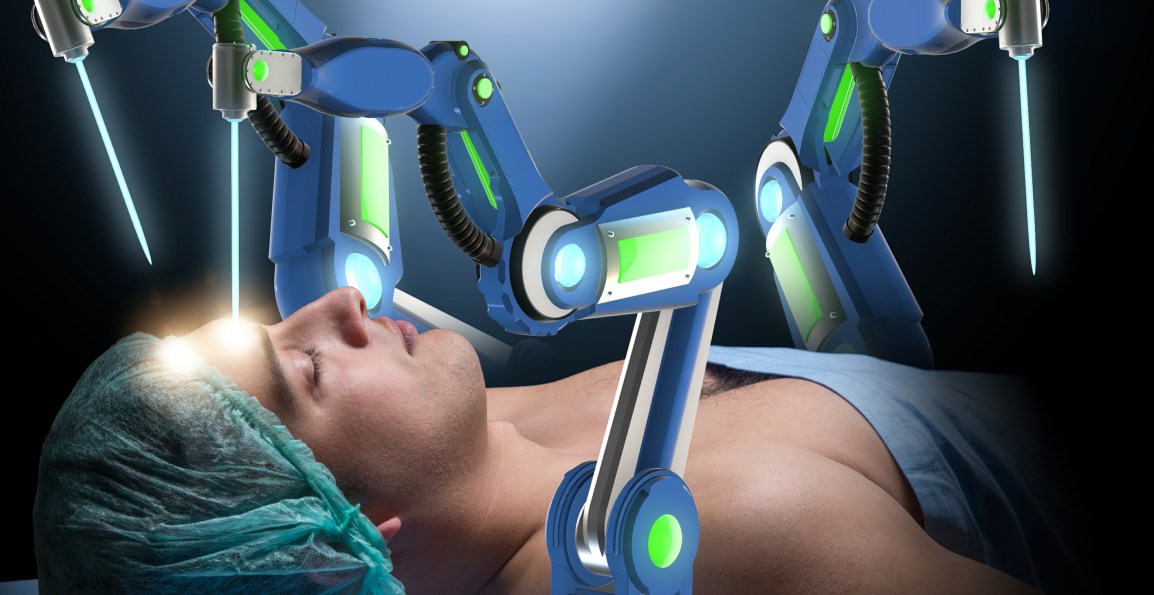
 Breakthroughs are being made left, right, and centre in the world of science. From autonomous killer robots to sending space crafts on mars, technology is helping us find solutions to issues and questions people have had for centuries. And now in the world of medicine, a report by England’s Royal College of Surgeons may have made traditional surgery obsolete. In the groundbreaking report, the surgeons have highlighted the ways evolving technologies, such as new vaccines, surgical robots, and artificial intelligence will be used in shaping the future of medicine. The predictions say that these technologies will take over in the next two decades.
 The future of medicine also takes advantage of stem cells. The report by England’s Royal College of Surgeons explains that regenerative medications and stem cell treatments could be used to treat heart conditions and circumvent the need for open heart surgery. The report also predicts that stem cell treatments could possibly be used for the treatment of neurodegenerative diseases such as Alzheimer’s.
 The implications of this cannon are far more deadly than they might seem. The death machine of which we do not even know the full details of will probably be used for more than just defence. The US is now threatening to pull out of the INF treaty as they claim the development of this laser cannon violates the treaty. However, Russia is retaliating and saying they are following all the conditions specified in the treaty. Putin also showed his concern over the fact that the New START pact between the US and Russia will expire in 2021 and that the US is not keen on discussing the future of the pact.


 Many companies have been working on autonomous vehicles for quite a while now. In recent years, certain companies have been working hard to make self-driving delivery services a norm. From Nuro that already have a working model, to Ford that has teamed up with Walmart and Postmates to deliver everyday groceries to customers at affordable prices. Self-delivery services are deliveries that are made using autonomous vehicles. No drivers, just the goods you want. Ford has been testing using a research vehicle that mimics autonomous vehicles to gather more info about customer preferences. Ford has stated that commercial autonomous vehicles will be available by 2021.
 Besides the ‘technology becoming smart enough to come alive and kill people’ scenario from terminator coming true, there are some realistic dangers that autonomous vehicles pose. Firstly, they could lead to unemployment with stores opting for self-deliveries rather than hiring deliverymen. It may also lead to excessive social anxiety and laziness, and people will really not need to leave their homes in order to get something, but would rather just avail the services of an AV to get the job done.
 R. E. KEARNEY