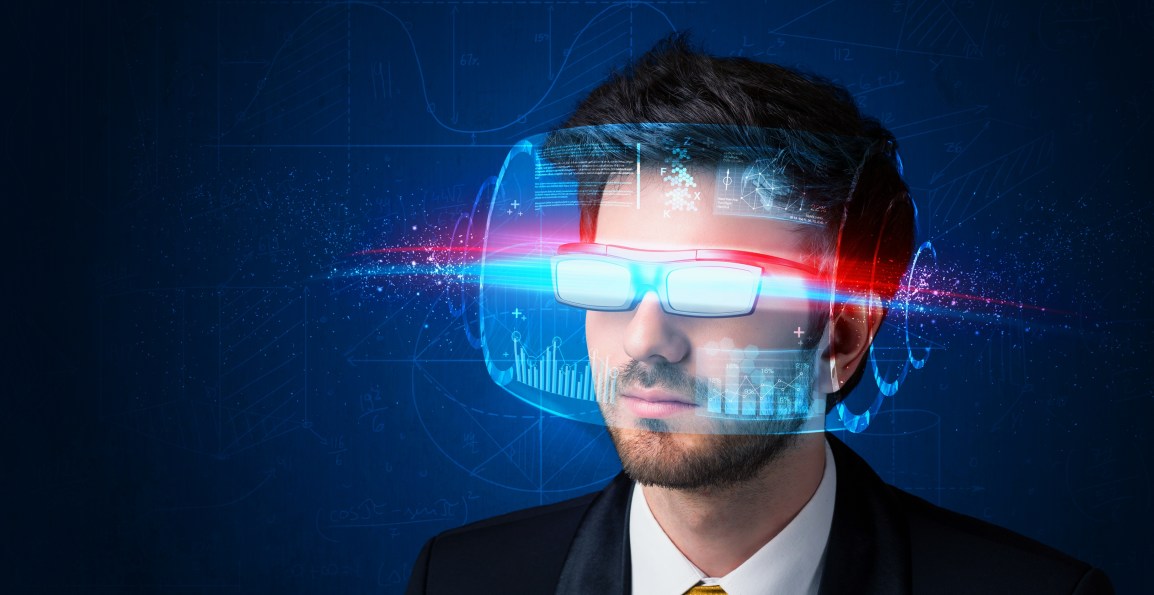
Although virtual reality is not a new concept, there have still been many improvements made to this gaming ‘tool’ so that it can now be used for a wider range of tasks. An increase in technology has made using virtual reality both more affordable and adaptable. Companies are continuously researching and discovering ways in which it can improve their products and/or our lives, and many of them plan to expand its uses soon. These include:
- Scrutinizing Space
Even though many of us are interested in the vast expanse of the universe, it is unlikely that we will be able to physically explore it within our lifetime. Virtual reality apps and equipment is being designed to allow us to expand our horizons, through knowledge that scientists have accumulated over time. Researchers already use similar equipment to learn more about outer space from images captured by drones and sent back to earth.
-
 Enhanced Experiences
Some people are afflicted with physical, or other, disabilities which prevent them from being able to do many of the things that most of us take for granted. Virtual reality can incorporate all our senses and provide a realistic experience, such as walking for the first time, and thus enhance their lives. The same method can be used to allow people to experience a dream vacation, an extreme sport or fulfill any other desires which may be physically unachievable at the time.
- Medical Marvels
Virtual reality is already being used in the medical field to help people recover from brain injuries, by simulating scenarios that promote healing. Many virtual reality games also increase focus and stimulate the regrowth of healthy brain cells. Researchers are planning to expand these techniques to create positive scenarios that will encourage mentally ill patients to begin their recovery. Many medical personnel believe that much of our physical healing can also be controlled by our brain, and by using virtual reality to show the person themselves in a healthy state they may recuperate at a quicker pace.
-
 Training Techniques
There are many occupations in which employees must go through extensive training before they are ready to begin doing their job. Several of these involve keeping others safe, including surgeons and pilots. Virtual reality helps to give them training, and practice, thus preventing any life-threatening incidents from taking place. This method of training is expanding to include everyday activities, such as preparing a meal or changing a diaper, and other less dangerous jobs.
- Expanding Entertainment
The film industry is always looking for ways to enhance movie-goers experiences. Some of the recent ways that films have become more gripping and interactive are by stepping up the 3D experience to 4D, which incorporates more of the senses. The same virtual reality techniques which are used in gaming are being manipulated in order to further enhance the theatre.

 In addition to genetics, epigenetics also play a major role in the way our bodies function. They affect how our genes are interpreted at any given time and, therefore, the way in which we make proteins. Epigenetics are the reason why everyone is unique, and they determine the way in which we look, the type of personality we have, and the things that we like and dislike.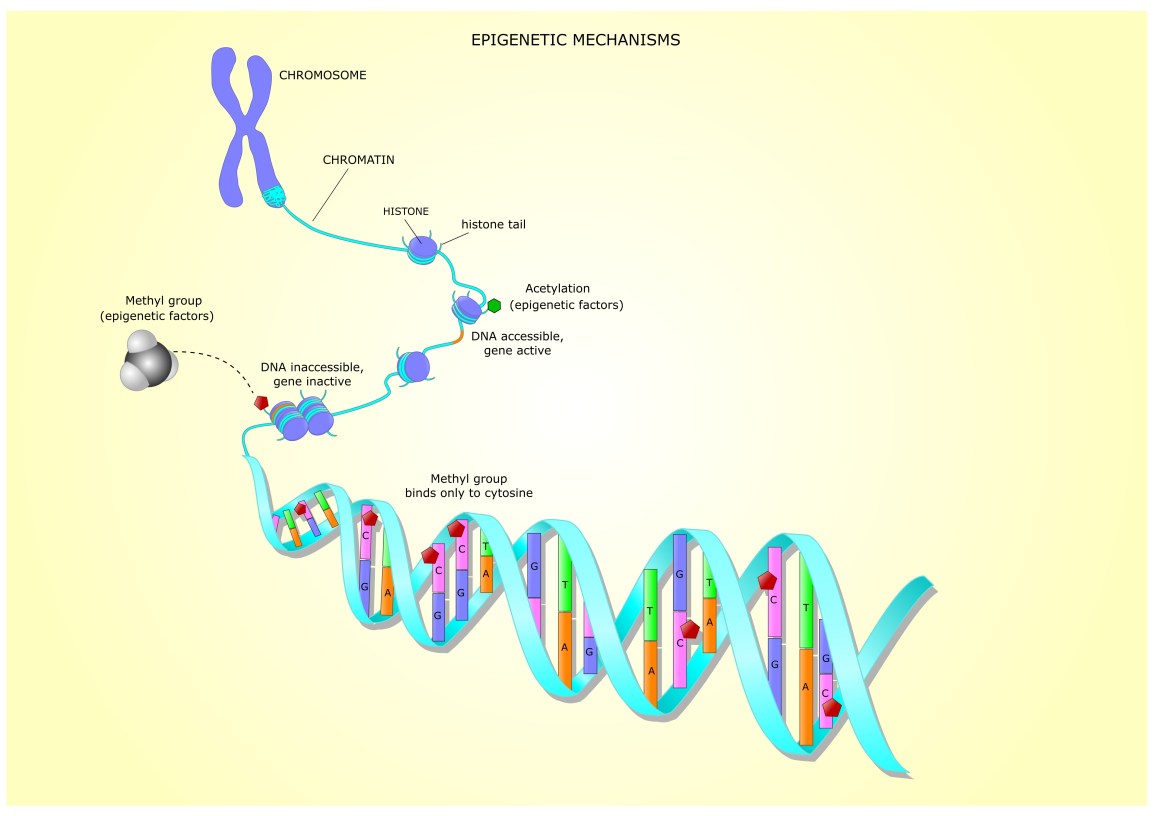


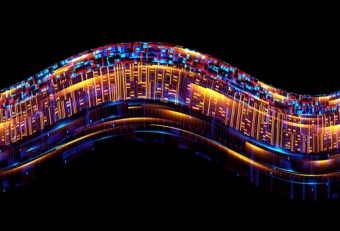 The team increased the power of the technology by adding to it the ability to run artificial intelligence algorithms, known as deep neutral networks. This was possible by equipping the micro computers with flash memory, which includes an energy efficient charge pump. These advanced computer sensors will then be able to enhance cloud-connected devices with a neural network, enabling them to include voice and facial recognition.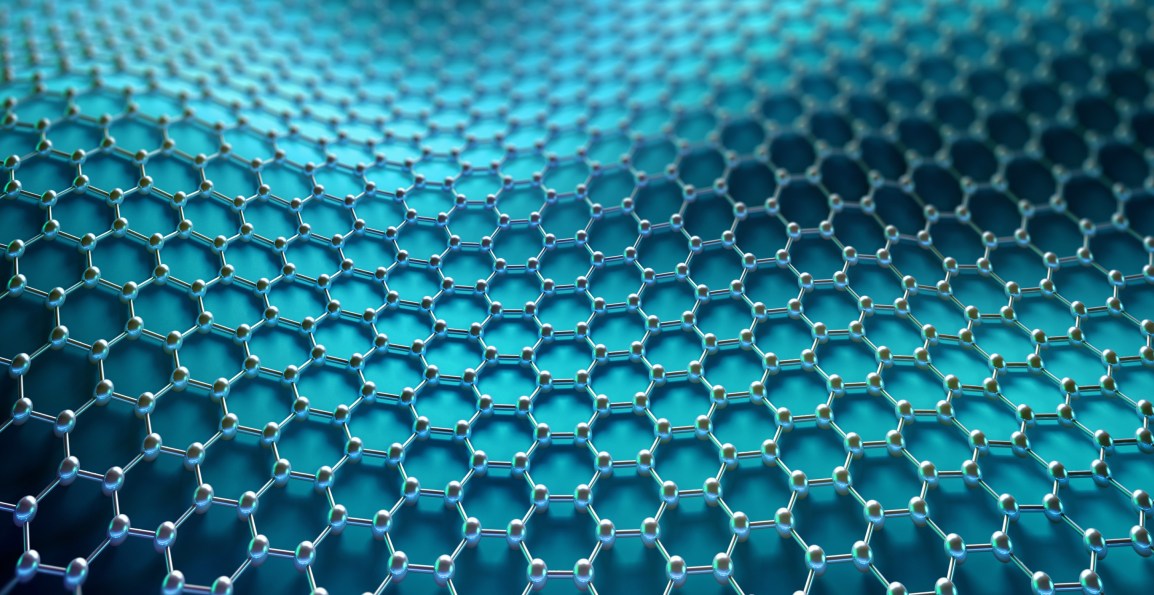
 Other qualities of graphene add to its usefulness and whereas its exfoliation was once very expensive the cost has decreased dramatically and companies now sell it in large quantities. Scientists have many future uses of the product planned, and research and development occurs on an ongoing basis. Some of these include:
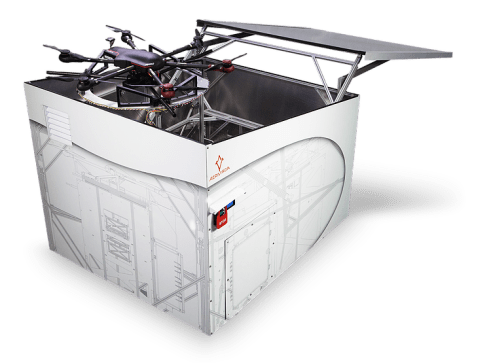 Technological mastermind, Airmada, has developed a storage system for drones which is capable of supporting missions without the need for human intervention. The storage box releases the drone once it has been activated, by opening up to become a launch pad facilitating its take off. Once its mission has been completed the drone will fly back, land on the launch pad and the storage box then closes up in order for the battery to be charged. All of this is done automatically without the need for a drone operator.
 The researchers describe their creation as a material made of an array of liquid metal spilt ring resonators (SRRs) which are embedded in a stretchable elastonomer. When it is stretched this ‘meta-skin’ has a tunable frequency, which is able to accommodate a wide range of other frequencies thus absorbing radar waves. Experimentation with wrapping it around a curved dialectic material shows that the meta-skin performs as a flexible cloaking surface, which is able to suppress the scattering of frequencies in different directions.
 R. E. KEARNEY