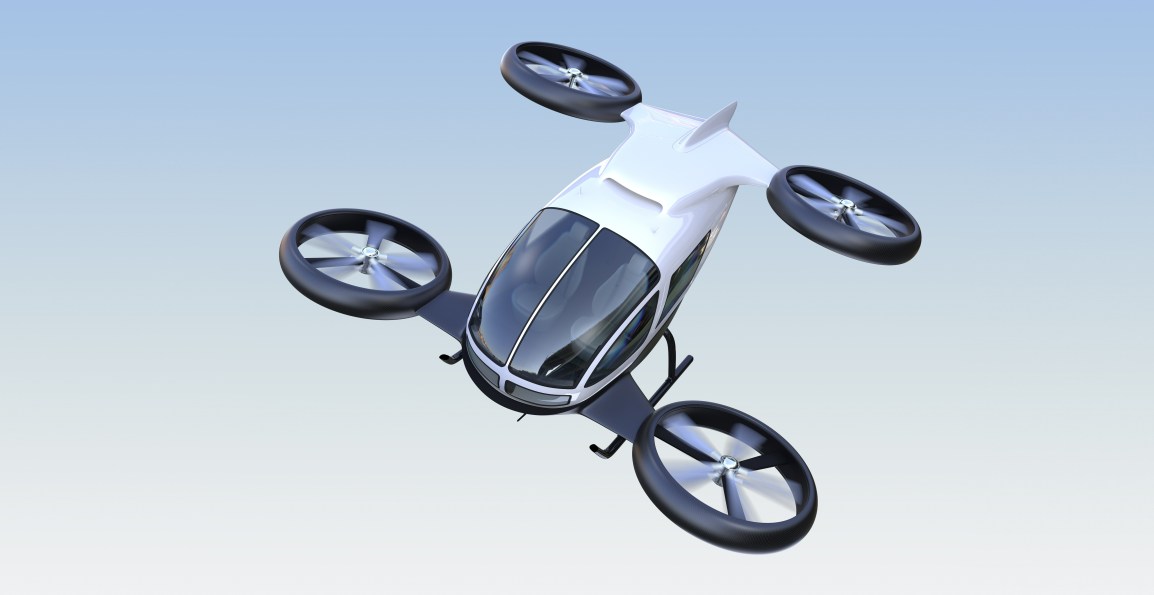
As a child, most of us would watch science fiction movies and believed the future was filled with hover boards and flying cars. Well, hover boards have become very popular and flying cars have begun to be built. So were all those predictions correct?
The Japanese government has decided to invest heavily into the development of flying car technology to make this a reality. They want to be the first country to have such a futuristic transportation system and even believe they can start commercializing these cars by 2023.
Even though Japan is actively working towards flying cars and their development, all over the world such technology is also being worked on by industry giants such as Uber, Airbus, and Boeing.
The dream of being able to cover a small distance in vehicles that have a vertical takeoff is very much alive and is close to being fulfilled in Japan due to the strides they are making in this technology.
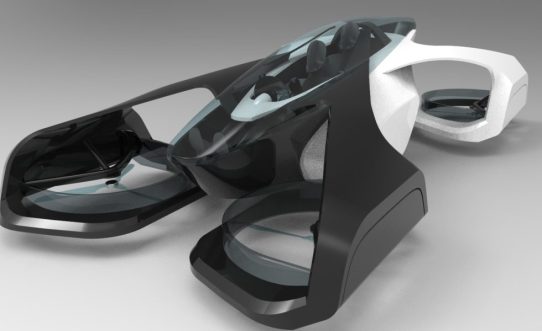
The country’s newest set up that specializes in flying cars is SkyDrive and has recently also revealed a model for people to feast their eyes upon. Their SD-XX is a two-seat vehicle that is meant to fly and is about the size of a car. It comes with an average speed of 62mph. According to Japanese media, the company wants to start testing the model this year.
They believe they want to start slow and small and do not want to risk too many people. This is why they have chosen to start an air taxi service in either Tokyo or Osaka, and decided that the initial flight would be over the sea. This would minimize the risk of too many people being hurt if there was a malfunction.
The media has reported that fast progress is being made because of the backing of many people, investing their money as well as their talent and skills to make the dream a reality.
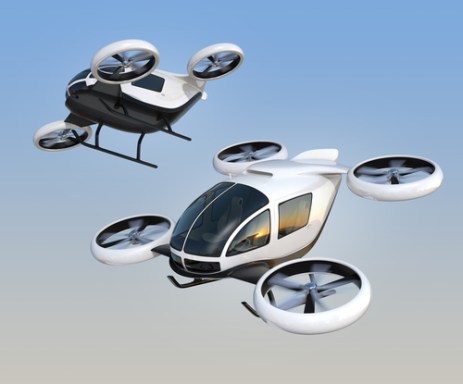 The startup plans to introduce round trips all over Japan, mainly focusing around attractions like Universal Studios. They believe that the model will be flown on autopilot, but will require a pilot should an emergency situation arise.
The setup aims to create at least 100 vehicles by the end of 2028 and believe that the cost of these cars should not be more than what an expensive branded car would cost. If this were to work out, it would revolutionize the transportation industry and could lead to rapid advances in flying vehicles for the future. This startup shows lots of potential and by 2028 we could begin to see flying cars all over Japan.
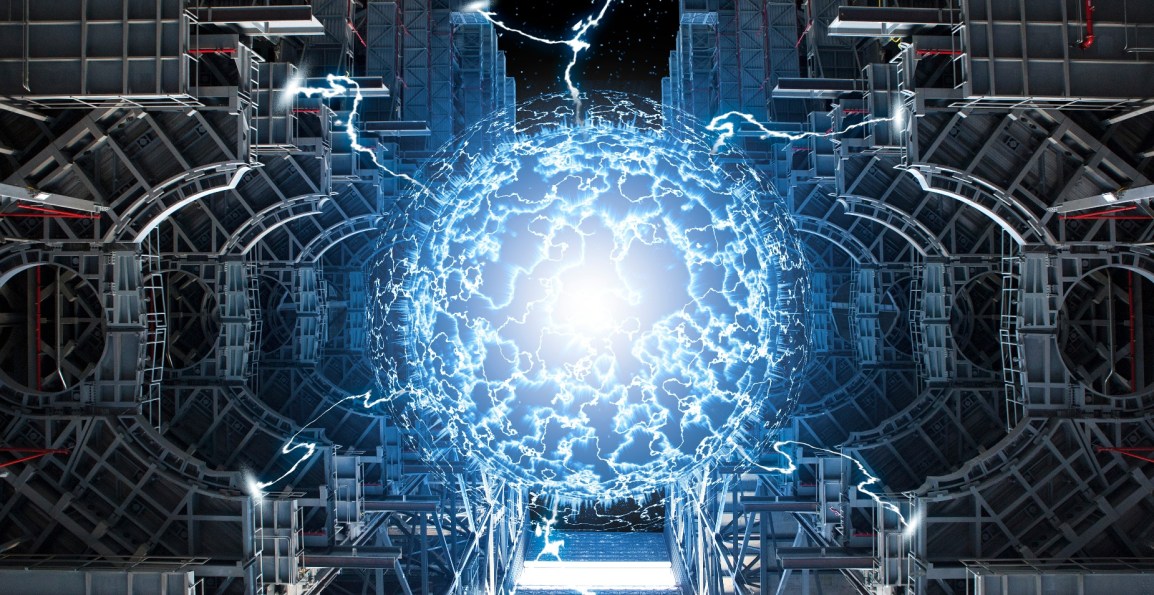
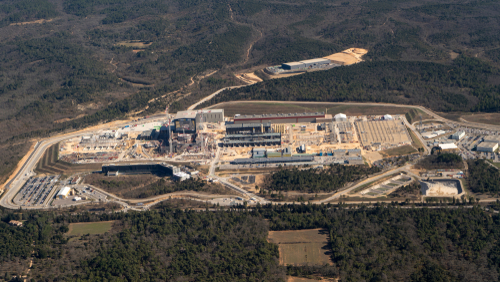
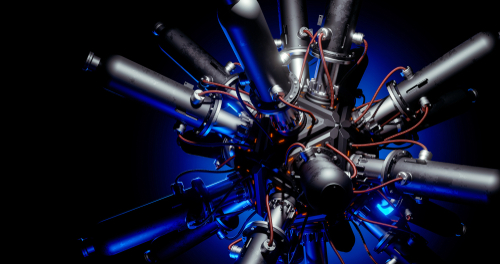 To counter this, ITER plans to create a reactor weighing approximately 23,000 tons while having 3000 tons of magnets that are connected to superconducting cables totaling 200 kilometers long. All of which will need to be kept at a very low temperature of -269 degrees.
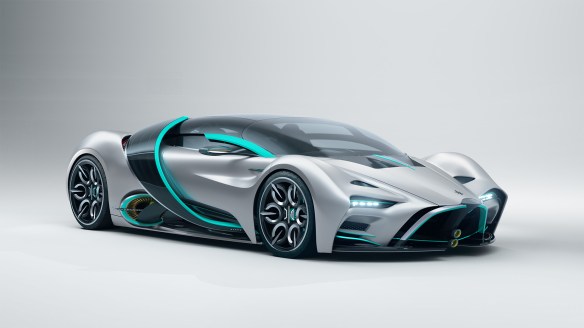
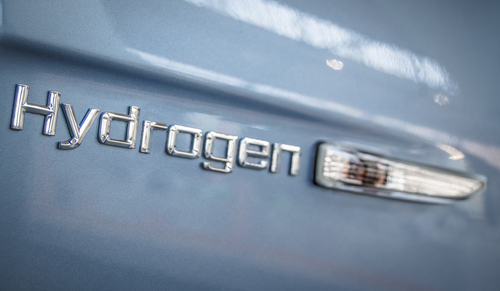 However, the main issue with this car is that there are not enough hydrogen refueling stations across the country. This then makes it difficult for users to refuel their car and discourages many buyers. In the US in 2018, there were only 39 hydrogen refueling stations across the country, something that would need to change if this technology were truly to become mainstream and commercial.
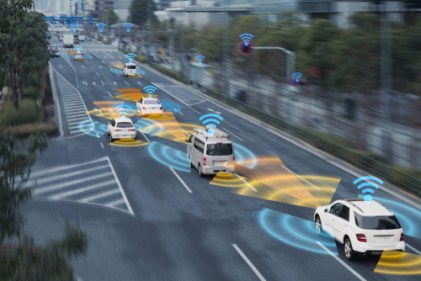 The future that includes these cars may be nearer than we thought. Elon Musk, CEO of Tesla, firmly believes that the dream of the level 5 autonomy in a car may be approaching rapidly. Elon Musk in a recent video stated that by the end of this year, Tesla may be fully equipped for the basic functionality of the level 5 vehicle autonomy. However, it may still be a little unclear about what he meant for basic functionality as Elon Musk didn’t further elaborate on it.
 Apart from Tesla, other companies like Lyft, Amazon and Google have also been focusing on the level 5 vehicle autonomy. In recent times, Lyft has tested out their self-driving feature and stated it as a success. On the other hand, Amazon is known to have bought a self-driving startup company to speed up its focus on developing level 5 vehicle autonomy. Often termed as the leader, the Google spin off Waymo has even put the level 5 autonomy to good use. It has been using a minivan to deliver groceries to customers using level 5 vehicle autonomy. With the pandemic, a contactless delivery option is proving to be extremely helpful.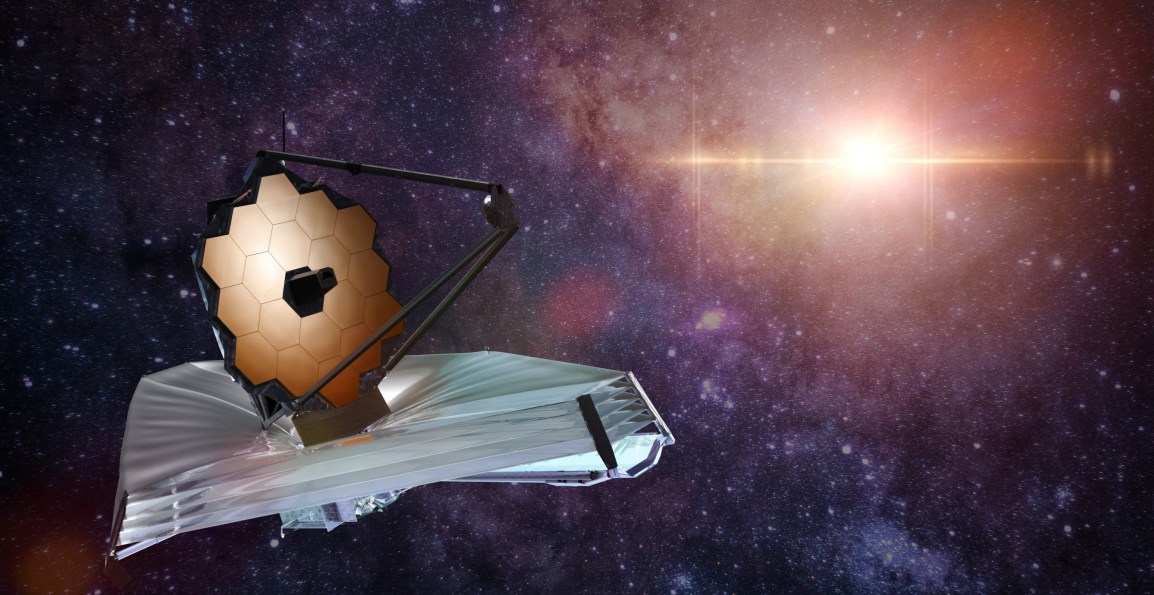
 above the league of the infamous Hubble Space Telescope. This telescope will be the model for future space telescopes, providing us with new insights into space.
 will also be able to provide information about the environment of the extrasolar planets and will look into the possibility of life in other parts of the universe by examining the chemical properties on those planets.
 This is done by using a protein that is only found in squids called reflectin. This protein enables the squid to camouflage or turn transparent when hunting or in danger. The protein scatters the light coming onto the squid in a way that it depicts transparency or iridescence.
 They also believe that their research opens doors to other possibilities and further progression into microbiology and genetics. People could mimic their results with gene hacking and come up with other beneficial outcomes.
